
 Caleb Turner
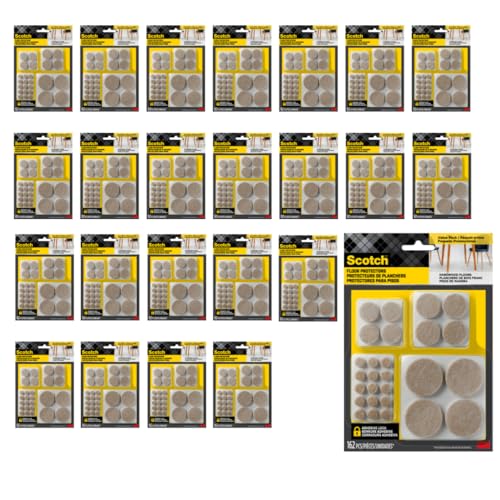
Using felt pads on the feet of all heavy items is a straightforward yet effective measure. These pads, made from soft materials like felt or rubber, minimize contact between the item and the surface, absorbing impact and preventing scratches.
Another tip involves regularly rearranging heavy items to distribute weight evenly across the surface. Rotating their position reduces the risk of localized wear and tear, allowing for a more uniform preservation of your flooring.
Using area rugs or mats can provide an additional layer of defense. Placing them under furniture not only enhances decor but also protects against inevitable damage from movement or shifting over time.
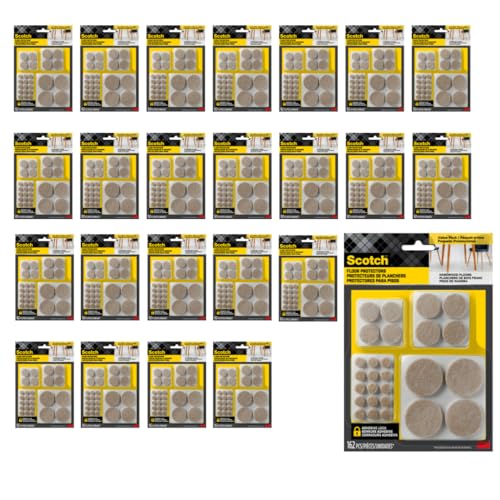

Consider using glides or casters for furniture requiring mobility. This prevents dragging that could lead to unsightly marks and abrasions. Ensure they are compatible with your particular surface to maximize their protective qualities.
Strategies to Shield Flooring Against Heavy Items
Use felt pads under the legs of chairs and tables. This simple addition can drastically reduce the risk of scratches and dents on the surface. Choose thick, durable pads that can withstand frequent movement.
Due Diligence with Area Rugs
Incorporate area rugs in high-traffic zones. They act as a barrier between the hard surface and furniture, absorbing impact and preventing damage. Ensure the rugs have non-slip backing to keep them securely in place.
Regular Maintenance Checks
Schedule regular inspections of the pads and rugs to ensure they remain in good condition. Replace any worn-out pads immediately, and clean rugs to maintain their protective qualities. This proactive approach helps sustain the integrity of the flooring over time.
Choosing the Right Furniture Pads
Opt for soft materials like felt or rubber for pads, as they create a gentle barrier between your items and the surface beneath.
Types of Pads
- Felt Pads: Ideal for wooden legs and provide great protection. They are easily replaceable and come in various sizes.
- Rubber Pads: Best for heavier pieces, offering traction and stability. They prevent slipping and shifting.
- Adhesive Pads: Affix directly to the bottom of your furniture. Ensure proper adhesion for long-lasting results.
Size and Thickness
Match the pad size to the furniture leg. The thickness should be sufficient to absorb impact without compromising stability. A thicker pad may be necessary for heavy items. Measure before purchasing.
Keep an eye out for pads specifically designed for your floor type, as some materials may react differently. Regularly check the condition and replace them as needed to maintain their effectiveness.
Install Furniture Glides Properly
To achieve maximum effectiveness, I recommend adhering glides securely to the base of each piece. Start by cleaning the bottom surface thoroughly to remove any dust or debris. Use a cloth with a mild cleaner for this purpose. Once dry, remove the adhesive backing from the glide.
Step-by-Step Installation
Align the glide at the center of the furniture leg, pressing firmly for a few seconds to ensure a strong bond. For added strength, consider using a small hammer or mallet to tap the glide gently onto the leg. Ensure it sits flat and makes complete contact with the surface.
Maintenance Tips
Periodically check the glides for any signs of wear and replace them when necessary. This simple maintenance step can prevent any accidental scratches or damage to your surfaces. Regularly cleaning the glides will also help maintain their effectiveness.
| Material Type | Recommended Glide |
|---|---|
| Wood | Plastic or Felt |
| Metal | Rubber or Metal |
| Glass | Felt or Soft Plastic |
Regular Maintenance of Furniture Feet
Inspecting and cleaning the feet of your seating and tables regularly can prevent scratches and wear on your surface. I recommend checking the condition of the pads or glides every few months. If they show signs of excessive wear, replace them immediately.
Cleaning Techniques
Use a damp cloth to clean the bottom of furniture legs. Accumulated dirt can act like sandpaper against your surfaces. For tougher grime, a gentle soapy solution works well. Make sure to rinse and dry thoroughly to avoid moisture buildup.
Monitoring Mobility
Pay attention to how easily your pieces move. If sliding is not smooth, consider applying additional felt pads or replacing old glides. Adjusting the height of the pads can also enhance ease of movement and reduce stress on the surface beneath.
By dedicating time to the upkeep of furniture feet, I minimize the chances of damage, ensuring a longer lifespan for both the furniture and the underlying surface.
Using Area Rugs for Added Protection
Incorporating area rugs offers a practical solution for minimizing wear and damage on surfaces beneath heavy items. Choose rugs made of durable materials that can withstand foot traffic while providing a cushioning effect. Natural fibers like wool and synthetic options like nylon work well for this purpose.
Choosing the Right Size
Selecting an appropriate size is crucial. Ensure the rug extends beyond the edges of your seating or dining areas to cover the areas where chairs or tables may shift. This prevents direct contact with the hard surface, reducing the likelihood of scratches.
Layering and Placement Strategies
Layering multiple rugs can enhance protection while adding aesthetic appeal. Place a larger rug underneath a smaller one or use different textures in the same color palette for visual interest. Additionally, consider non-slip pads underneath to prevent movement, ensuring the rugs stay in position during use.
Preventing Scratches with Furniture Placement
Strategic arrangement of your furnishings plays a significant role in minimizing surface damage. Avoid placing heavy items directly on smooth surfaces; rather, keep them elevated or set on protective pads. Ensure that bulky pieces, like sofas and cabinets, are positioned in zones less prone to frequent movement, reducing the likelihood of accidental abrasions.
- Position heavier furnishings against walls to limit mobility.
- Keep frequently moved items, like chairs, away from heavily trafficked areas.
- Arrange decorative pieces thoughtfully to prevent accidental shifts during cleaning or daily activities.
When selecting locations for your belongings, consider utilizing alternative arrangements that permit easy access without excessive pressure on the surfaces beneath. This can include:
- Using corner spaces for items that require stability.
- Creating defined zones for heavier or frequently used pieces to minimize shifting.
- Incorporating tiered shelving units to distribute weight evenly.
Consistent evaluation of your setup will aid in identifying any adjustments necessary to maintain optimal conditions. By remaining mindful of placements, you can substantially extend the lifespan of your surface finishes and retain their aesthetic appeal.
What to Do with Heavy Furniture
To minimize damage caused by bulky pieces, I recommend distributing weight evenly across the surface. Positioning furniture with wider bases stably anchors it while reducing pressure points.
Use Protective Barriers
Incorporate materials like plywood, cardboard, or felt underneath the support areas of large items. These barriers can absorb impact and alleviate direct contact, significantly lowering the risk of abrasion.
Regularly Adjust Placement
Shifting heavy objects periodically ensures that no single area endures prolonged stress. This practice also helps identify any wear issues early, allowing for timely interventions to maintain a pristine appearance.
Cleaning Tips for Tile Floors under Furniture
Regular vacuuming beneath heavy items can prevent dirt build-up and scratches. For best results, use a vacuum cleaner with a soft brush attachment to avoid damage. If unable to move large pieces, using a wand with an extended reach helps access hard-to-reach areas.
Spot Cleaning Spills
Immediately wiping up any spills is crucial to avoid stains and slippery surfaces. Use a damp cloth and a mild cleaner designed for hard surfaces. Always dry the area afterwards to prevent moisture retention.
Deep Cleaning Routine
Implement a monthly deep cleaning schedule, focusing on areas beneath and around large furnishings. A mixture of warm water and vinegar can effectively cut through grime. Use a mop with a microfiber head to capture fine dust particles without scratching the surface.
Best Practices for Moving Furniture Safely
I always ensure to plan the movement route carefully before lifting any item. It’s essential to remove any obstacles that could lead to tripping or accidents. Using a proper lifting technique–bending at the knees rather than at the waist–helps to prevent back strain and injuries.
Utilizing the Right Tools
Using a furniture dolly or sliders can significantly ease the process. I find that moving pads also reduce friction and protect surfaces. Always check that the wheels on the dolly are in good condition to avoid unexpected stops.
Teamwork Makes It Easier
When handling larger pieces, I always have someone assist me. Coordinating movements with a partner ensures control and reduces the risk of dropping or damaging the item. Clear communication is key; we usually agree on verbal cues to move together seamlessly.
Taking breaks is advisable if the task becomes physically demanding. Remaining aware of fatigue helps maintain focus and reduces the risk of mishaps. Following these steps ensures a smoother and safer relocation of each piece.


