Caleb Turner

Investing in high-quality outdoor seating is a commitment to enhancing your outdoor space, and protecting that investment is non-negotiable. One of the most effective strategies is to utilize quality locks and cables. These can be easily attached to the seating and secured to a sturdy structure, making it incredibly difficult for anyone to simply walk away with your belongings.
Another solid tactic involves the use of heavy weights or anchors. By placing weights beneath cushions or using weighted covers, you create a more challenging scenario for anyone considering theft. This added layer of difficulty can deter would-be thieves, encouraging them to seek easier targets.
Incorporating secure storage solutions is also vital. If possible, store your outdoor items indoors during extended periods of absence. A locked shed or garage can serve as an excellent safeguard. Alternatively, consider investing in furniture designed for outdoor use that features built-in locking mechanisms. Such options not only secure your items but can also be aesthetically pleasing.
Regularly taking inventory of your outdoor pieces can assist in ensuring nothing goes missing without your knowledge. Maintain a detailed record, including photographs and receipts. This practice allows for quick assessment and provides essential documentation should theft occur.
Securing Outdoor Seating
I recommend investing in sturdy locks and heavy-duty straps. With a proper combination lock, I can secure chairs and tables to immovable objects, significantly deterring any attempt of removal. High-tensile strength cables provide additional resistance against tampering.


Choosing the Right Materials
Opting for materials like aluminum or teak not only ensures durability but also makes it less appealing to thieves. Lightweight items are often easier targets; heavier alternatives stay put and are not easily transported.
Visibility and Lighting
Positioning my setup in areas that are well-lit is a game plan. Motion sensor lights help in identifying any suspicious activity, while making it clear that the area is monitored. Reflective surfaces can also deter unwanted attention.
Lastly, engaging neighbors to keep an eye out creates a community watch environment. When everyone is aware and vigilant, the likelihood of any theft diminishes significantly.
Assess Your Outdoor Seating for Vulnerabilities
Begin with a thorough inspection of all items in the yard. Identify lightweight pieces that can be easily carried away and consider heavier alternatives or securing them collectively.
Evaluate the storage options available to see if they can accommodate less durable items. An outdoor shed or storage box can serve as a deterrent when furniture isn’t in use.
Review the placement of each item. Positioning them close to the house or in well-lit areas enhances visibility and discourages potential thefts.
Check for the presence of locking mechanisms on tables and chairs. Investing in padlocks or cable locks can add a layer of safety to easily removable parts.
| Item Type | Vulnerabilities | Recommended Action |
|---|---|---|
| Chairs | Lightweight, easy to carry | Secure with cable locks |
| Outdoor rugs | Portable and appealing | Store inside after use |
| Tables | Removable tops or lightweight | Use weighted covers or locks |
| Grills | High resale value | Store in a locked area |
| Umbrellas | Easy to fold and carry | Use umbrella locks or take indoors |
Regularly inspect for any weaknesses in the design or materials that could be exploited. Replacing flimsy items with sturdier options can significantly lower the risk of loss.
Stay informed about local crime trends. If thefts are common in your area, proactively increasing security measures can prevent future incidents.
Choose High-Quality, Weather-Resistant Materials
Opt for materials like teak, eucalyptus, or high-density polyethylene (HDPE) resin. These options provide durability against the elements, reducing the risk of deterioration.
Teak
- Natural oils resist moisture and pests.
- Develops a beautiful patina over time.
- Requires minimal maintenance compared to other woods.
HDPE Resin
- Resistant to fading, cracking, and warping.
- Available in various styles, mimicking wood or wicker.
- Recyclable and environmentally friendly.
Consider cushions made with solution-dyed acrylic fabrics. They are colorfast and withstand sun exposure for extended periods. Look for UV-resistant materials to diminish fading and wear.
Invest in stainless steel hardware. It resists rust and provides strength, ensuring that joints and fasteners remain secure in any weather.
Avoid softwoods like pine, as they are prone to rot and require frequent upkeep. Cheaper materials may save money upfront but can lead to higher costs down the line due to replacements and repairs.
Thoroughly reviewing the material selection bolsters resilience against theft and natural wear and tear, adding longevity to your outdoor setup.
Implement Securing Methods like Chains and Locks
I utilize heavy-duty chains and padlocks to deter potential thieves. Securely locking items together makes it harder for someone to simply grab and run. I recommend a thick, weather-resistant chain that can withstand tampering and rust.
Selecting the Right Tools
For optimal security, I choose a combination of lock types. A high-quality combination or key padlock can be an excellent addition, as it requires more effort to breach. I also consider using locks with a rememberable pin code or biometric features for added convenience.
Installation Techniques
I ensure that chains are anchored to a sturdy, immovable structure, such as a fence or a ground stake. When wrapping the chain around items, I make sure it passes through any openings or frames, minimizing the chance of a quick removal. Regularly check these methods for wear and replace any compromised components.
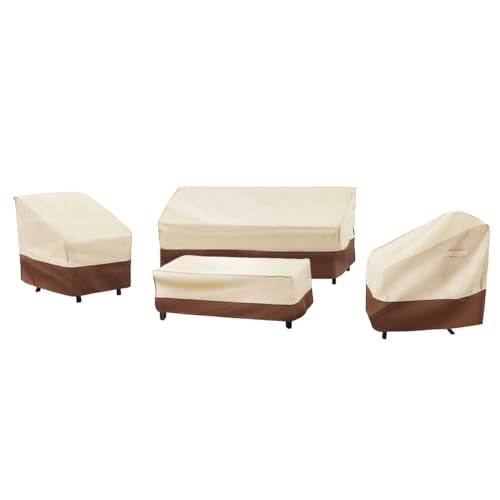
Utilize Patio Furniture Covers When Not in Use
Investing in high-quality covers is a strategic step to shield outdoor seating and tables. These protective layers act as a deterrent against opportunistic thieves while also safeguarding against environmental damage.
Opt for covers made from durable, weather-resistant materials that fit snugly over each piece. Look for features like secure straps and elastic hems to prevent wind from displacing them. Choosing covers with reinforced seams greatly enhances longevity.
Ensure that the covers have a breathable design to prevent moisture buildup, which could lead to mildew or corrosion over time. Additionally, opting for neutral colors can prevent attention while blending seamlessly into the surroundings.
Regularly check the condition of the covers for wear and tear. Prompt repairs or replacements maintain their protective properties. Consider using a locking system on the covers, adding another layer of security against unauthorized access.
Incorporating covers into your maintenance routine establishes a proactive approach to safeguarding your outdoor investments, prolonging their lifespan while simultaneously deterring theft.
Install Motion Sensor Lights Around Your Patio
Integrating motion sensor lighting is a proactive measure to deter unwanted activity in your outdoor space. Positioning these lights strategically can illuminate large areas and draw attention if someone enters unexpectedly.
Consider the following recommendations for optimal installation:
- Choose sensors with adjustable sensitivity settings to minimize false alarms from pets or environmental factors.
- Install lights at key entry points, paths, and corners to ensure full coverage of the outdoor area.
- Select bright LED lights for visibility and energy efficiency, enhancing both security and ambiance.
- Opt for solar-powered fixtures to reduce electricity costs and provide eco-friendly lighting solutions.
Regular maintenance is essential. Test the sensors periodically to ensure correct functionality, and keep the surrounding areas clear of obstructions that may hinder detection.
Combining lighting with other security measures creates a formidable deterrent, enhancing safety while enjoying the outdoor environment.
Create a Design that Deters Thieves
Incorporating natural barriers like thorny bushes around seating areas can serve as a physical deterrent against unwanted visitors. These plants not only beautify the space but also create an unwelcoming environment for those with malicious intent.
Strategically place outdoor seating to minimize visibility into your yard from the street. Positioning larger plants or planters can obstruct sightlines, making it difficult for potential culprits to assess what items are available for theft.
Install elevated features, such as decked areas or raised platforms. Elevation can limit access points, allowing for a more controlled environment while also reflecting a sense of ownership that can discourage would-be thieves.
Add water features like fountains or ponds. The combination of sound and sight can create an environment less appealing for intruders, altering the atmosphere to one of tranquility, away from criminal activity.
Utilize outdoor lighting in a way that accentuates specific areas while keeping the surroundings well-lit. Bright lights not only enhance aesthetic appeal but also ensure that dark corners where thieves might hide are illuminated, reducing potential hiding spots.
Incorporating durable, ornate gates or fences can add a layer of defense. A well-constructed barrier can give the impression of permanence and security, indicating that the items within are protected and valued.
Finally, integrate artistic elements like sculptures or garden ornaments that can serve as both decor and additional security. These features can draw a visitor’s attention away from the items you want to safeguard, while also enriching the overall aesthetic of your space.
Engage with Neighbors to Foster Community Vigilance
I recommend organizing regular neighborhood gatherings to discuss security concerns and share tips. Create a dedicated group chat or online forum to facilitate ongoing communication. This way, everyone can report suspicious activities in real time and alert each other to potential risks.
Consider establishing a neighborhood watch program. This encourages residents to be more aware of their surroundings and enhances overall security. By working together, we can monitor each other’s properties, making it difficult for criminals to target any individual residence.
Host an annual neighborhood barbecue or similar event. These gatherings not only build rapport among neighbors but also create a sense of community responsibility toward keeping each other safe. Strong relationships lead to stronger vigilance.
Make an effort to exchange contact information with neighbors. A simple network of communication can help in emergencies, ensuring that any threats can be promptly communicated and addressed.
Encourage your neighbors to invest in security measures as well. A community that prioritizes safety through common strategies makes it less appealing for criminals to operate in the area.
FAQ:
What are the best ways to secure patio furniture from theft?
To secure patio furniture from theft, consider using heavy-duty furniture locks or chains to tether items to a fixed structure. You can also use furniture covers that are difficult to remove quickly. Additionally, storing valuable furniture indoors or in a locked shed during off-seasons or when not in use can significantly reduce the risk of theft. Motion sensor lights around your patio can also act as a deterrent to potential thieves.
Are there specific types of locks recommended for patio furniture?
Yes, locks specifically designed for outdoor use tend to be more durable and weather-resistant. Look for heavy-duty cable locks or chain locks that can withstand cutting. Additionally, furniture locks that feature a combination or key access provide security while allowing you to easily secure and release your items. Always ensure that the lock is made from rust-resistant materials to extend its lifespan.
How can I keep my furniture safe without using locks?
If you prefer not to use locks, consider securing your furniture with some strategic placement. Arrange the furniture in a way that makes it harder to move, such as positioning heavier pieces closer to walls or fences. Using furniture covers not only protects against weather but also might dissuade thieves as it conceals the items. Additionally, installing security cameras or alarm systems might provide an extra layer of deterrence against theft.
What items are most commonly targeted by thieves?
Thieves typically target items that are valuable and easy to transport. Popular targets include cushioned chairs, tables, and portable fire pits. Additionally, decorative items like garden sculptures, outdoor lighting, and expensive umbrellas are also at risk. Always consider the value of your patio items and take appropriate measures to secure them based on their attractiveness to potential thieves.
Is it worth investing in a patio furniture security system?
Investing in a security system can be worthwhile, especially if you have valuable outdoor furniture. A security system can include alarms, cameras, or motion sensors that not only alert you to unauthorized access but also act as a visible deterrent to thieves. Weigh the cost against the value of your furniture and consider the neighborhood’s crime rate to make an informed decision about the investment.
What are some practical tips for securing patio furniture to prevent theft?
To secure patio furniture and reduce the risk of theft, consider the following strategies: First, use furniture covers that are weatherproof and can be securely fastened. This deters thieves, as they would need to remove the covers first. Second, invest in heavy furniture that is difficult to carry off or weigh down items using sandbags or anchors. Third, use locking mechanisms such as chains or cables to lock the furniture to a fixed structure, like a railing or a post. Fourth, consider incorporating motion-sensor lights around your patio area, as bright lights can act as a deterrent. Lastly, engage with your neighbors and keep an eye on each other’s properties; building a community watch can help reduce theft incidents.
Are there insurance options available for patio furniture against theft?
Yes, many homeowners’ insurance policies cover patio furniture against theft, but the specifics can vary by provider and policy. It’s advisable to check the details of your insurance coverage to see if outdoor furniture is included. If you often experience theft or live in an area where it is a concern, consider adding a separate rider for more comprehensive coverage. Document your furniture with photos and retain receipts to provide proof in case you need to file a claim. Always consult with your insurance agent for tailored advice based on your situation.