
 Caleb Turner

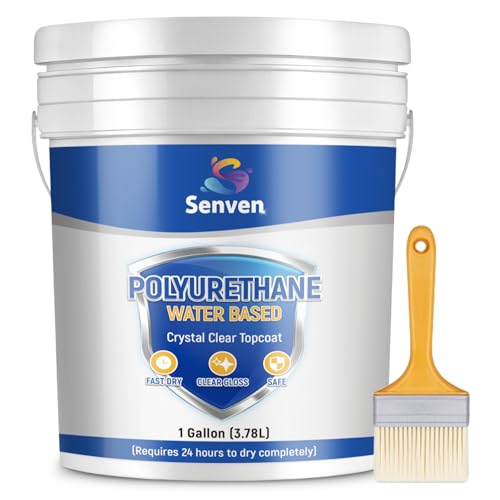
Applying a high-quality topcoat after your base layer gives an extra defense against damage. Choose a polyurethane or polyacrylic finish based on the desired sheen. I recommend water-based options for low odor and easy cleanup.
Regular maintenance is key to longevity. A simple dusting with a soft cloth keeps dirt from scratching the surface. Avoid harsh chemicals; instead, opt for mild soap and water when cleaning.


Placement matters. Position your colorful pieces away from direct sunlight and heat sources to minimize fading and warping. Using coasters and placemats can further safeguard against accidental scrapes and stains.
Consider adding felt pads under items that rest upon the surface. These small yet effective barriers can prevent unintended abrasions over time. When moving objects, always lift rather than drag to maintain integrity.
Preventing Damage to Your Decorated Items
Using a high-quality topcoat can significantly decrease the likelihood of wear on your decorated items. I recommend opting for a water-based polyurethane due to its durability and clarity. Apply it in thin, even layers, ensuring each layer is fully dry before adding another.
Implementing felt pads or coasters under objects placed on surfaces can lessen the friction that causes wear. These simple additions will absorb some of the impact and prevent scratches, making a noticeable difference over time.
Routine maintenance involves cleaning with a soft, damp cloth rather than abrasive materials. Avoid any cleaning agents that contain alcohol or ammonia, as these can break down the finish and lead to noticeable damage.
Consider storing items in a climate-controlled environment. Extreme temperature fluctuations can cause the finish to crack or warp, so maintaining a stable environment will prolong the life of your decorated pieces.
Avoid direct sunlight exposure, which can cause colors to fade and finishes to degrade. Use curtains or UV-filtering window films to protect your items from harmful rays.
| Tips | Description |
|---|---|
| Topcoat Quality | Use high-quality, clear water-based polyurethane. |
| Felt Pads | Use felt pads under objects to reduce friction and scratching. |
| Soft Cleaning | Always clean with a soft, damp cloth, avoiding harsh agents. |
| Climate Control | Maintain a stable temperature to prevent warping and cracking. |
| Sunlight Protection | Limit exposure to direct sunlight to avoid fading and degradation. |
Selecting the Right Paint for Durability
I recommend opting for high-quality acrylic latex or alkyd-based coatings. These types tend to have superior adhesion and flexibility, making them less prone to cracking. Look for formulations labeled as “scrubbable” or “washable,” as these are designed to withstand wear and tear more effectively.
Consider paints that include additives for enhanced durability, such as urethane or epoxy resins. These components strengthen the final layer and provide a protective finish that resists impacts and everyday use. Additionally, choosing low-VOC or zero-VOC paints helps maintain indoor air quality without sacrificing performance.
Textured finishes can also add a layer of protection, minimizing the appearance of minor dings or scratches. In specific cases, some recommend a satin or eggshell finish over a matte option, as these surfaces are generally more resilient against scuffs.
Lastly, test a small area before applying paint to ensure compatibility with your existing surface. A successful bond is crucial for longevity, so always follow manufacturer instructions related to priming and curing times to achieve the best results.
Preparing the Surface Before Painting
I thoroughly clean the surface using a mixture of mild soap and water to remove dirt, grease, and any residues. Rinsing off with clean water ensures no soap remains.
Sanding for Smoothness
I use sandpaper with a grit of 120 to 220 to lightly sand the surface. This creates a better bond between the wood and the new coating. After sanding, I wipe away the dust with a damp cloth, making sure the area is free of particles.
Applying Primer
<p Applying a quality primer enhances adhesion and serves as a barrier. I choose oil-based or shellac primers depending on the type of material I am dealing with. After the primer layer dries completely, I lightly sand again for a smooth finish before applying the top layer.
Applying a Protective Sealant After Painting
Once I finish brushing on the color, applying a sealant is a must to ensure long-lasting results. A quality protective layer acts as a barrier against scratches and wear.
Here’s my step-by-step approach:
- Select the Right Sealant: Choose a clear polyurethane or polycrylic that suits the finish of your project. For a matte look, opt for a matte sealant; for gloss, go with a glossy version.
- Choose the Application Method: I prefer using a high-quality brush for even application, but a lint-free cloth or spray can also work for larger surfaces.
- Wait for Proper Curing: Ensure the paint is completely dry before applying the sealant. Typically, I wait at least 24 hours, depending on humidity and temperature.
- Apply Thin Coats: I always apply multiple thin layers rather than one thick coat. This way, it dries evenly and reduces the chances of drips or bubbles.
- Sanding Between Coats: Lightly sanding after the first coat creates a smoother surface. I use fine-grit sandpaper, making sure to wipe away dust before adding another layer.
- Final Layer: For maximum durability, I usually finish with a final coat of sealant, ensuring I cover all edges and corners thoroughly.
By following these steps, the finished piece is much less likely to suffer damage from regular use, maintaining its fresh look for years to come.
Choosing Appropriate Furniture Placement
Positioning items wisely is crucial for preserving their finish. I recommend assessing the traffic flow in the space. Place items away from frequent pathways to minimize incidental contact.
- Consideration of heavy usage zones is essential. Avoid placing delicate pieces in high-traffic areas where they might get bumped or scraped.
- Position items against walls or in corners whenever possible. This provides extra protection from accidental brushes and impacts.
- Using rugs can create a buffer zone, helping to cushion any accidental impacts or falls.
Always ensure that surfaces aren’t subjected to direct sunlight for extended periods. Ultraviolet rays can degrade finishes over time, leading to wear and tear.
- Utilize window treatments to manage light exposure. Shades or curtains can be practical in preventing damage while allowing natural light when desired.
- Avoid placing items near heat sources such as radiators or fireplaces. Heat can warp materials and compromise finishes.
Regularly evaluate the surroundings. Environment can change over time, making prior placements unsuitable and risking damages. Make adjustments as necessary to safeguard your belongings effectively.
Regular Cleaning Techniques to Maintain Finish
For preserving the integrity of the surface, I regularly dust using a soft, lint-free cloth. This prevents the accumulation of dirt and grime, minimizing the risk of scratches.
When deeper cleaning is necessary, I mix a solution of mild soap and water. Using a damp cloth, I gently wipe the surfaces, ensuring not to soak them. This method removes residues while safeguarding the finish.
For stubborn stains, I create a paste of baking soda and water. I apply it lightly with a cloth, rubbing gently and rinsing immediately to avoid damage.
I ensure to dry the surfaces promptly after cleaning with a dry cloth to prevent moisture build-up, which could compromise the finish over time.
Here’s a simple table summarizing the cleaning techniques:
| Technique | Description |
|---|---|
| Dusting | Use a soft, lint-free cloth to remove dust. |
| Mild Soap Solution | Mix mild soap with water for general cleaning. |
| Baking Soda Paste | Apply a paste for stubborn stains, rinse promptly. |
| Drying | Always dry surfaces immediately after cleaning. |
Regular maintenance using these techniques will significantly prolong the life of the finish, ensuring that it remains in excellent condition.
Using Furniture Pads to Prevent Damage
Utilizing furniture pads is a straightforward and practical approach to minimize wear on surfaces. The sheer presence of these protective cushions can significantly reduce scuffing and scratching when pieces are moved or shifted.
Select Appropriate Materials
Look for pads made of high-quality rubber or felt, which provide an excellent barrier against friction. Rubber is particularly advantageous for heavier items, offering superior grip and stability.
Installation Tips
Ensure that the pads are securely attached to the underside of legs or corners. Clean the surface before application to enhance adhesion. Regularly check the pads for wear and replace them as needed to maintain protection.
Opt for varying sizes to fit each piece appropriately. This attention to detail will assist in evenly distributing weight and preventing indentations in your flooring.
Repairing Chips Promptly to Prevent Further Damage
I recommend addressing any chips or scratches immediately to avoid more extensive harm. Ignoring minor imperfections can lead to peeling and further deterioration of the finish. A small repair can save considerable effort down the line.
Steps for Effective Repair
Gather the necessary materials: a color-matched touch-up paint, a fine brush or a cotton swab, and a clear sealant. Clean the affected area thoroughly to remove dust and debris before proceeding with repairs.
Carefully apply the touch-up paint using a fine brush or swab directly into the chip. Utilize thin layers, allowing each coat to dry completely before adding more, if necessary. This technique helps blend the repair seamlessly with the surrounding area.
Sealing the Repair
Once the repair has dried, I advise applying a clear sealant over the touched-up area to provide additional protection. This layer will guard against moisture and wear, ensuring the area remains intact longer.
Regular Inspections
I make it a habit to inspect my pieces frequently for new damage. Detecting issues early allows for timely repairs, keeping my items in excellent condition for years to come. Regular attention to these details will ultimately maintain the overall aesthetic appeal and integrity of any piece.
Understanding Environmental Factors that Affect Paint
Moisture is a major concern. High humidity can prolong drying times and may lead to bubbling or peeling. For indoor pieces, maintaining a stable indoor climate with low humidity levels is critical. Dehumidifiers can help create an optimal environment, especially in basements or regions with high moisture content.
Temperature variations also play a significant role. Extreme heat or cold can cause the finish to expand or contract, leading to cracks. I always recommend keeping painted pieces in a climate-controlled space, ideally between 60°F to 80°F (15°C to 27°C), to reduce stress on the surface.
Direct sunlight can fade finishes over time. Choosing a location that avoids prolonged exposure to sunlight can preserve the vibrancy of the color. Utilizing window treatments can help mitigate UV damage.
Surrounding pollutants such as dust, smoke, and chemicals may compromise the integrity of the surface. Regular cleaning and avoiding smoking indoors or using harsh chemicals nearby can prevent degradation of the coating.
Lastly, physical impacts should not be overlooked. Ensuring that heavy objects or frequently used items do not scrape against painted surfaces can mitigate wear and tear. Keeping heavy items separate from delicate pieces is a practical approach.
FAQ:
What are the best finishes to use on painted furniture to prevent chipping?
Using high-quality topcoats can significantly enhance the durability of painted furniture. Options like polyurethane, polycrylic, or shellac provide a protective layer over the paint. Oil-based finishes tend to be more durable than water-based ones, making them a good choice for high-use furniture. Applying multiple layers can also improve protection, so it’s advisable to follow the manufacturer’s instructions regarding drying times and number of coats.
How can I properly maintain painted furniture to avoid chipping?
Regular maintenance is key to preserving painted finishes. Dust the furniture frequently with a soft, dry cloth to prevent dirt buildup, which can lead to scratches. Avoid using harsh chemicals or abrasive cleaners, as they can damage the paint. Instead, opt for a mild soap solution for cleaning. Additionally, placing coasters under items like drinks can prevent moisture damage and minimize wear on the paint. Routinely inspect the furniture for chips or damages and address them promptly to prevent further deterioration.
Is there a specific technique for painting furniture that reduces the likelihood of chipping?
Yes, employing a thorough technique can lead to better durability. Begin by properly prepping the surface—cleaning, sanding, and priming if necessary. When painting, use thin, even coats rather than thick layers, which can be prone to chipping. Allow sufficient drying time between coats, as this ensures each layer adheres properly. Additionally, consider using a paint specifically formulated for furniture, as these often contain additives that enhance durability.
Can I repair chips in painted furniture on my own, and if so, how?
Yes, repairing chips in painted furniture can often be done at home. Start by cleaning the chip area to remove any dust or debris. If the chip is deep, you may need to fill it with wood filler and let it dry completely. Once dry, sand it down to make it smooth with the surrounding surface. You can then touch up the area with the same paint used for the original finish. After the paint dries, applying a protective topcoat around the repair can help prevent future chipping.
What environmental factors should I consider to protect my painted furniture from chipping?
Environmental factors play a significant role in the longevity of painted furniture. Temperature and humidity extremes can cause the paint to expand and contract, leading to chipping. It’s best to keep painted furniture in a stable environment, away from direct sunlight, heaters, or air conditioning vents. Additionally, ensuring proper ventilation can prevent moisture buildup, which can also cause paint to peel or chip. Positioning furniture away from heavy foot traffic will minimize physical wear and tear.
What are the best methods to protect painted furniture from chipping?
To protect painted furniture from chipping, several methods can be employed. First, using a high-quality topcoat or sealer can significantly increase durability. Polyurethane or acrylic sealers are excellent choices as they provide a hard finish. Secondly, avoid placing heavy items on painted surfaces or using abrasive cleaners that may damage the paint. Regular maintenance, including dusting and gentle cleaning, will help preserve the finish. Additionally, consider using coasters or placemats to protect surfaces from scratches or chips caused by everyday use. Finally, if your furniture is in a high-traffic area, applying a clear wax over the paint can add an extra layer of protection.


