
 Caleb Turner
Applying a protective sealant periodically is a fundamental step to maintain the integrity of wooden pieces kept outside. This not only blocks moisture but also minimizes exposure to UV rays, preventing discoloration and fading. Select a high-quality, weather-resistant product specifically designed for softwoods, ensuring compatibility with the surface finish.
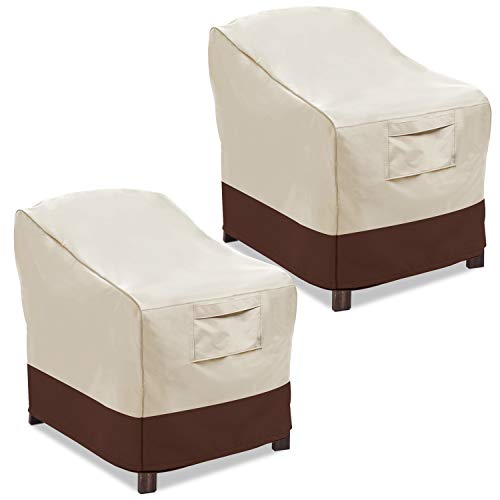
Furthermore, utilizing covers during inclement weather provides an additional layer of defense against rain and snow. These should be breathable to prevent mold and mildew growth, which can compromise the wood over time. Regular cleaning with a gentle soap solution helps remove dirt and debris, which can trap moisture against the surface.
Investing in a wood conditioner enhances the natural oils within the material, promoting longevity and resilience. This treatment should be applied every six months to a year, depending on environmental conditions. Inspecting for signs of wear, such as scratches or rough patches, allows for timely repairs or refinishing to extend the life of your outdoor pieces.
Maintenance Tips for Your Garden Seats
Apply a high-quality wood sealer annually. This forms a barrier against moisture and UV damage, prolonging the lifespan. Choose products specifically designed for exterior use.
I recommend using a soft-bristle brush to clean surfaces regularly. This removes dirt and debris without scratching. Follow that with a damp cloth to wipe down residues.


For staining, opt for a semi-transparent option. This allows the natural grain to show while providing protection. Reapply every couple of years, or sooner if you notice wear.
Placement matters. If possible, keep seating under a cover or canopy to shield from rain and direct sunlight. This minimizes exposure and slows aging.
Consider using cushions crafted from water-resistant materials. They add comfort and can be easily stored when not in use, reducing wear on the wood.
Choosing the Right Wood Sealant for Pine
Opt for a moisture-resistant sealant specifically designed for porous materials. Polyurethane and epoxy are excellent choices due to their durability and resistance to weather elements.
Consider the following factors when making a selection:
- Water-Based Sealants: Ideal for ease of application and quick drying times. These protect against moisture without yellowing over time.
- Oil-Based Sealants: Provide a richer finish and deeper penetration. They take longer to dry but offer superior protection against wear and tear.
- Clear vs. Stained Sealer: Decide whether to maintain the natural look or enhance the grain with color. Clear sealers offer a transparent finish, while tinted options can add visual appeal.
- UV Protection: Check for UV inhibitors in the formulation to prevent discoloration and fading from sun exposure.
- Non-Toxic Formulas: If safety is a concern, select sealants that are labeled low VOC or environmentally friendly.
Always perform a small patch test before full application to ensure compatibility with your material and desired finish. Proper application techniques, including sanding and multiple coats, will maximize the sealant’s performance.
Regular maintenance and reapplication are key to extending the lifespan of your treated pieces, so schedule routine inspections and touch-ups as needed.
Preparing Your Pine Furniture for Protection
Thoroughly clean the surface with a mild soap solution and a soft cloth. This step ensures the removal of dirt and oil that can inhibit adhesion. Once cleaned, allow the surface to dry completely for at least 24 hours.
Sanding for Smoothness
Lightly sand the wood with fine-grit sandpaper (around 220 grit) to achieve a smooth finish. This process not only prepares the surface for application but also helps in removing any previous coatings. Always sand in the direction of the grain to avoid scratches.
Conditioning the Wood
After sanding, apply a wood conditioner to help the sealant absorb evenly. This is especially important for denser sections of the timber. Wait for the conditioner to dry according to the manufacturer’s instructions before moving to the next step.
Applying a Protective Finish: Step-by-Step Guide
Begin with a clean surface; use a mild soap solution and water to remove dirt and grime. Rinse thoroughly and allow it to dry completely.
Gather the necessary materials: a high-quality wood sealer, a clean cloth or sponge, a paintbrush or roller, sandpaper (grit between 120 and 220), and a drop cloth to protect the surrounding area.
| Step | Action |
|---|---|
| 1 | Lightly sand the surface to remove any rough spots and open the grain for better absorption of the sealer. |
| 2 | Wipe the surface with a damp cloth to remove dust from sanding. |
| 3 | Apply the first coat of sealant using a brush or roller, ensuring even coverage. |
| 4 | Allow the first coat to dry according to the manufacturer’s instructions, typically 2-4 hours. |
| 5 | Sand lightly between coats using fine-grit sandpaper to achieve a smooth finish. |
| 6 | Apply a second coat, repeating the drying and sanding process. |
| 7 | Consider adding a third coat for maximum durability, following the same application steps. |
| 8 | Finish by cleaning brushes with the appropriate solvent and allowing the surface to cure for 24-48 hours before use. |
Regular maintenance is key. Reapply the sealant at least once a year, or as needed, depending on weather exposure and wear.
Maintenance Tips to Extend the Life of Your Furniture
Regular cleaning is key. I wipe surfaces with a damp cloth to remove dirt and debris. For tough stains, I mix mild soap with water and gently scrub with a soft brush. It’s essential to rinse and dry thoroughly to prevent moisture from seeping into the wood.
Inspection Routine
I check for signs of wear and tear every few months. Cracks, splinters, or loose joints are addressed promptly. I reinforce any loose connections with appropriate wood glue or screws to avoid larger issues down the line.
Seasonal Care
During winter, I make sure the items are stored in a dry location, away from extreme temperatures. If left outdoors, I use protective covers specifically designed for my pieces. In spring, I inspect the finish and apply a new layer if I notice any fading or deterioration.
Using coasters and placemats when placing items on surfaces helps to avoid scratches and heat damage. I also avoid placing furniture directly on gravel or other abrasive surfaces to maintain its base integrity.
Lastly, I keep an eye on the environment. High humidity can lead to warping, while dry air can cause cracking. I may consider using a humidifier or dehumidifier as needed to maintain a balanced atmosphere.
How to Clean Pine Furniture Without Damage
I recommend using a soft cloth dampened with a mixture of mild soap and warm water. This solution efficiently removes dirt and grime without harming the wood finish. Avoid soaking the cloth; excess moisture can lead to warping or swelling.
Cleaning Process
Begin at the top and work your way down to prevent drips on already cleaned areas. Use gentle, circular motions to lift dirt. For stubborn stains, a mixture of baking soda and water can be applied with a soft sponge; gently scrub without applying excessive pressure. Rinse the surface with a damp cloth and dry thoroughly.
Drying Techniques
After cleaning, I ensure the surface dries naturally. Placing your items in well-ventilated areas promotes effective drying. Avoid direct sunlight or heat sources which can cause fading or cracking. For any remaining moisture, I lightly buff the surface with a dry, soft cloth.
Storing Pine Furniture During Harsh Weather Conditions
To safeguard wooden pieces during extreme weather, I suggest bringing them indoors or utilizing a covered area like a patio or shed. This minimizes exposure to moisture and temperature fluctuations.
Preparation Steps
- Clean thoroughly using a mild soap and water solution to remove dirt and debris.
- Ensure all surfaces are dry to prevent mold or mildew growth.
- Disassemble any detachable parts to save space and reduce the chance of damage.
Storage Conditions
- Avoid placing items directly on concrete floors; use pallets or rugs to promote airflow.
- Store in a cool, dry area away from direct sunlight to prevent warping and fading.
- Allow some space around the pieces for air circulation, preventing moisture buildup.
During winter months, consider wrapping pieces in breathable covers. This further shields against dust and potential scratches. If outdoor storage is unavoidable, apply a high-quality tarp with ventilation to prevent moisture accumulation.
Regularly check on stored items, ensuring there are no signs of dampness or pest activity. Taking proactive steps ensures longevity and maintains the aesthetic appeal of these beloved items.


