
 Caleb Turner

I recommend placing protective pads under the legs of significant objects to prevent scratches and dents on your vinyl surface. These pads distribute the weight evenly, minimizing pressure on specific points, which helps maintain the integrity of the material.
Another effective measure is using area rugs or carpet protectors in high-traffic zones. These add an extra layer of defense and enhance the aesthetic appeal of your space. Choose styles that complement your interior while offering coverage where it counts.
Regularly rearranging your belongings can also be beneficial. Changing the position of your items reduces the risk of permanent marks, allowing the surface to “breathe” and recover from any minor impressions that may occur.
Finally, be mindful when moving items. Lifting is always preferable to dragging, as this significantly decreases the likelihood of causing damage. Keeping these practices in mind will ensure your flooring continues to look great for years to come.

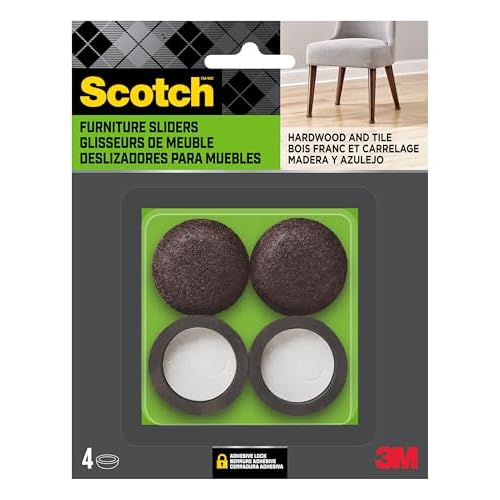

Strategies for Safeguarding Your Surface from Heavy Items
I recommend using felt pads on the bottom of all legs of tables and chairs. This simple addition minimizes scratches and dents while allowing easy movement across the surface.
If mobility is necessary, consider implementing furniture sliders. These specialized tools enable effortless shifting without causing damage. They are ideal for heavier pieces, ensuring stability and support.
Regular Maintenance Practices
Routine cleaning plays a crucial role in maintaining the integrity of the surface. Use a soft broom or vacuum to eliminate dirt and debris that can create scratches over time. Avoid abrasive materials that could compromise the finish.
Additionally, address spills immediately with a damp cloth to prevent staining. Regularly check for any signs of wear or damage, and take prompt action to repair small issues before they escalate.
Selecting the Right Furniture Pads
I recommend considering material, thickness, and size when selecting pads to safeguard surfaces against damage. These factors significantly influence the effectiveness of the protection.
Materials
- Felt: Ideal for hard surfaces, as they offer a soft buffer, reducing the risk of scratches.
- Rubber: Provides excellent grip, minimizing movement of heavy items while preventing scuff marks.
- Plastic: Useful for lightweight furniture, but can slide easily on smoother surfaces.
Thickness and Size
- Choosing pads that are at least 1/4 inch thick helps absorb impact better and protects against wear.
- Ensure the pad is larger than the feet of your furniture to effectively distribute weight and minimize pressure points.
Regularly check and replace pads as they wear out. Damaged or worn pads lose their protective qualities and can actually cause more harm than good.
Understanding Weight Distribution of Furniture
Ensuring an even weight distribution across your items is crucial for minimizing damage to surfaces. Here are key factors to consider:
Types of Furniture
- Heavy Items: Bookcases and large sofas exert more pressure on specific points. Distributing their weight evenly can reduce the risk of indentations.
- Legged Pieces: Chairs and tables should ideally have wider legs to spread out weight over a larger area. Consider using pads to increase surface area.
Arrangement Tips
- Place larger, heavier items against walls to limit movement and pressure on the center of the room.
- Group lightweight pieces together to avoid weight concentration from single point loads.
- Change positions regularly to allow surfaces to breathe and recover from any minor indentations.
By focusing on how weight is spread across your items, you can significantly decrease the likelihood of damage to your surfaces while maintaining a stylish and functional layout. Regular monitoring and adjustments ensure longevity and beauty in your space.
Implementing Regular Furniture Movement
I recommend rotating your heavy items periodically to minimize indentations. Every few months, shift the positions of bookshelves, sofas, and other substantial pieces. This practice helps distribute weight evenly and prevents long-term damage.
In addition to shifting, consider rearranging accents and smaller decorations more frequently. This not only alters the aesthetic but also ensures that every area of the surface gets relief from sustained pressure.
Utilize a calendar reminder to establish a rotation schedule. This practical approach facilitates a routine maintenance check, allowing for timely attention to potential issues caused by static weight.
If certain heavy items are immovable, placing them on mats or area rugs can mitigate damage while providing a decorative touch. However, ensure that these mats are also occasionally adjusted to escape the risk of permanent impressions.
Engaging in regular rearrangement not only enhances the ambiance of the space but also contributes to a longer lifespan for your surfaces. Each adjustment you make plays a significant role in maintaining their pristine condition.
Using Area Rugs for Added Protection
Incorporating area rugs strategically throughout your space offers a direct method to mitigate potential damage caused by heavy items. Select rugs that provide sufficient cushioning while complementing your interior design. Ensure the size of the rugs extends beyond the footprint of your objects to maximize coverage and protection.
Choosing the Right Material
Opt for rugs made of durable materials such as wool or synthetic fibers. These options not only enhance resilience to wear and tear but also contribute to a pleasing aesthetic. Avoid excessively plush rugs, as they may shift under furniture, undermining their protective purpose.
Maintaining Rug Stability
Utilize non-slip pads beneath the area rugs to reduce movement and enhance safety. This prevents slipping, which protects both the rug and the surface underneath. Regularly check the positioning of the rugs and adjust them as necessary to ensure they continue to serve their protective function effectively.
Cleaning and Maintenance Tips for LVP Flooring
I recommend using a microfiber mop or cloth for daily cleaning. This helps remove dust and dirt without scratching the surface. Avoid using excessive water, as it can seep into seams and cause damage. Instead, dampen your mop slightly for the best results.
Choosing the Right Cleaning Solution
Select a cleaner specifically formulated for synthetic surfaces. Look for pH-neutral options, as they won’t leave residues or cause discoloration. Test any new cleaner in a small, inconspicuous area first to ensure compatibility.
Routine Deep Cleaning
<p.Schedule deep cleaning every few months. Use a wet mop with a suitable solution and ensure to rinse the mop frequently. For stubborn stains, apply the cleaner directly and let it sit for a few minutes before wiping it away. Avoid abrasive tools, as they can scratch and dull the surface.
Avoiding Chemical Damage from Furniture Products
I recommend regularly checking the materials used in furniture items placed on hard surfaces. Many cleaning agents and treatment products can contain harsh chemicals that may react adversely with your flooring. Always opt for products labeled as safe for use on synthetic surfaces to minimize risk.
Recommended Products
| Product Type | Recommended Features |
|---|---|
| Furniture Polish | Water-based, non-toxic formula |
| Adhesive Pads | Silicone-based, without solvents |
| Protective Coatings | Formulated for synthetic finishes, UV-resistant |
Test any new product on a small, inconspicuous area to observe potential reactions before widespread application. I personally prioritize using natural alternatives, such as vinegar and water for cleaning, as they are less likely to cause damage.
Preventing Residue Buildup
Ensure to clean any spills promptly, as residues from furniture can cause discoloration or deterioration over time. I also recommend placing mats or fabric barriers underneath heavy items to create a protective shield. Avoid using rubber-backed mats continuously, as they can trap moisture and lead to degradation.
FAQ:
What type of furniture pads should I use to protect my LVP flooring?
To protect your LVP flooring, opt for felt pads made specifically for hard surfaces. These pads can be adhesive or attachable with furniture leg clips. Felt pads help distribute the weight of upholstered or wooden furniture, reducing the risk of scratches and dents. Ensure the pads are clean and in good condition, as dirt and debris can scratch the floor surface over time. Consider using thicker pads for heavier furniture to provide better cushioning.
How often should I replace the felt pads under my furniture?
It’s advisable to check the felt pads under your furniture every few months for wear and tear. If you notice fraying, dirt buildup, or any signs of wear, replace the pads immediately. Depending on your furniture’s usage and the amount of foot traffic, consider changing them every 6 to 12 months. Regularly maintaining furniture pads ensures optimal protection for your LVP flooring and helps prevent scratches or damage over time.
Can I use rubber mats or other types of pads to protect LVP flooring?
While rubber mats can provide traction and some protection, they may not be the best option for LVP flooring. Rubber can sometimes cause discoloration or damage to the surface. Instead, opt for felt or soft plastic pads that are designed for hard flooring. If you choose to use rubber mats, ensure they are specifically labeled as safe for use on LVP or vinyl floors to minimize any potential issues.
Is it safe to slide furniture across LVP flooring to rearrange it?
Sliding furniture directly across LVP flooring is not recommended, as it can cause scratches and damage to the surface. If you need to rearrange furniture, use furniture-moving straps or a furniture dolly to lift and shift the items safely. Consider placing a blanket or rug underneath the furniture when moving to avoid any friction against the floor. If sliding is unavoidable, ensure that the furniture has protective pads or felt underneath to mitigate any potential harm to your flooring.
What precautions should I take when adding new furniture to a room with LVP flooring?
Before adding new furniture to a room with LVP flooring, take several precautions to protect it. First, ensure the furniture legs have protective pads attached. If your new furniture is heavy, consider placing a rubber or felt mat underneath for additional cushioning. It’s also wise to avoid dragging the furniture; instead, lift it or use sliders. If possible, try to keep the furniture off the flooring during delivery to prevent scuff marks or scratches. Additionally, keep heavy items away from high-traffic areas to reduce the risk of indentations.


