Caleb Turner

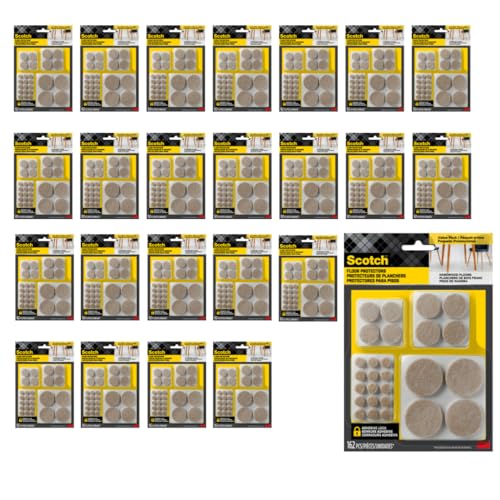
Utilizing felt pads beneath the legs of any significant item is a simple yet effective strategy. These soft materials absorb shock and prevent direct contact with the delicate surface, significantly reducing the risk of marks.
Regularly repositioning your belongings can minimize wear in specific areas. If you move a piece frequently, it’s wise to check beneath it periodically for indications of wear or indentations. This simple habit helps maintain the appearance of your surface for a longer time.
Wheels and casters offer a practical option for larger pieces. Opt for those made with soft rubber rather than hard materials. This choice lessens pressure and friction, which can lead to unsightly markings while allowing easy movement.
Additionally, keeping the surface clean and free from dirt and debris is crucial. Even small particles can create micro-scratches over time, dulling the finish. A gentle clean with a suitable solution helps ensure a pristine environment.
Tips for Safeguarding Your Wood Surface
Use furniture pads beneath all legs of tables, chairs, and other heavy items. This simple addition creates a barrier that absorbs impact and minimizes marks. Choose adhesive felt pads for a lasting solution, ensuring they are clean and dry before applying.



Consider Area Rugs
Strategically place area rugs in high-traffic zones or beneath seating arrangements. This not only enhances the room’s aesthetic but also cushions against movement and reduces wear. Ensure the rugs have a non-slip backing to prevent sliding.
Routine Maintenance
Regularly sweep or vacuum to eliminate dirt and debris that can cause abrasion. Incorporate a damp mop with a gentle wood cleaner into your cleaning routine–this helps preserve the finish and maintains the surface’s integrity.
Choosing the Right Furniture Pads
Opting for felt pads can greatly reduce wear on surfaces. These soft materials provide a cushion that absorbs impact, ensuring no damage occurs during movement.
Ensure the size of the pads matches the feet of your pieces. A proper fit covers the entire base, preventing any sharp edges from contacting the surface. If necessary, cut larger pads to size.
Consider adhesive pads for a secure attachment. These will stay in place under regular use. However, periodically check their condition, as wear may necessitate replacement.
For heavier items, rubber or silicone pads offer exceptional grip and durability. They prevent sliding while providing excellent protection against potential marks.
Regular cleaning of the pads is key. Dust and debris can scratch surfaces if trapped underneath. I recommend routine inspections and cleaning to maintain their effectiveness.
- Choose 1/4 inch thickness for optimal cushioning.
- Select color options that blend with the furniture for aesthetic appeal.
- Invest in rotatable pads for easy movement without removal.
Evaluate your specific needs based on the furniture type and movement frequency. This tailored approach can enhance both aesthetics and longevity of the underlying surfaces.
Properly Positioning Furniture to Minimize Damage
Choosing the right layout for my space can significantly reduce harm to my surfaces. I always ensure that heavy pieces are placed on stable ground, away from high-traffic zones to limit movement and potential pressure points. I often consider the use of furniture arrangements that distribute weight more evenly, allowing for a balanced setup that minimizes direct contact with the ground.
When placing items, I make sure to keep larger pieces, like sofas and cabinets, away from areas where they might be unintentionally pushed or shuffled. This helps reduce friction, which can lead to surface wear. Positioning smaller items, such as side tables and chairs, on softer areas, such as rugs, can further cushion them and prevent damage.
Utilizing wall alignments effectively can also create a buffer between items and surface areas. For example, I regularly place bookcases against walls rather than centralizing them in a room, ensuring they’re less likely to shift with minor movements.
To protect sections where furniture commonly rests, I rotate larger pieces periodically. This simple action allows wear to be evenly distributed, enhancing longevity. By taking simple steps to position my belongings correctly, I can preserve the integrity of my surfaces and maintain their beauty.
| Tip | Description |
|---|---|
| Stable Ground | Place heavy items on solid, stable surfaces to minimize movement. |
| Avoid High-Traffic Zones | Position larger furniture away from pathways to reduce contact. |
| Weight Distribution | Arrange furniture for an even balance, limiting pressure on spots. |
| Align with Walls | Position larger pieces against walls to prevent accidental shifts. |
| Regular Rotation | Periodically move items to spread wear evenly across surfaces. |
Regular Maintenance: Cleaning and Polishing Floors
To maintain the beauty and integrity of my surfaces, I adhere to a consistent cleaning routine. Daily sweeping or vacuuming is crucial to eliminate dust and debris, which can lead to wear over time. I use a soft-bristle broom or a vacuum with a hardwood attachment to avoid unnecessary damage.
For deeper cleaning, I opt for a pH-balanced cleaner specifically formulated for wood surfaces. This ensures that no harsh chemicals strip away the protective finish. Typically, I dilute the cleaner according to the manufacturer’s instructions and apply it with a damp microfiber mop, never soaking the surface.
Polishing is another significant step in my maintenance routine. I employ a high-quality polish designed for my specific type of flooring. I usually do this every few months. Application typically involves a microfiber cloth or mop, spreading the polish evenly to restore luster and provide an additional layer of protection.
| Maintenance Task | Frequency | Recommended Products |
|---|---|---|
| Dust/Sweep | Daily | Soft-bristle broom, vacuum |
| Wet Clean | Weekly | pH-balanced cleaner |
| Polish | Every 3 months | Wood floor polish |
Regular attention not only enhances the aesthetic appeal but also prolongs the lifespan of my surfaces. This proactive approach keeps them looking their best while resisting wear caused by everyday activities. I also stay vigilant about addressing spills immediately to prevent any potential damage.
Utilizing Rugs and Mats in High-Traffic Areas
Cover high-traffic spots with area rugs or mats. These additions provide a barrier against potential damage. Choose options with rubber backing to prevent slipping and enhance stability.
Select materials that are durable and easy to clean, such as nylon or polyester, which resist stains and wear. For extra cushioning, opt for thicker rugs that absorb impact, reducing pressure on the underlying surface.
Position mats near entryways and in frequently used spaces, such as living rooms or hallways. This tactic can significantly decrease wear and tear caused by foot traffic.
Regularly clean and rotate rugs to ensure even wear and maintain appearance. This attention helps extend the life of both the rugs and the underlying surface.
Adding Protective Coatings to Hardwood Surfaces
Applying a protective layer can significantly extend the lifespan and appearance of these surfaces. Begin by selecting a suitable coating, such as polyurethane, which offers durability and resistance against wear and tear.
Types of Coatings to Consider
- Water-Based Polyurethane: Dries quickly and emits fewer odors, making it ideal for indoor use. It maintains the natural wood color better than oil-based options.
- Oil-Based Polyurethane: Provides a rich, amber tone and exceptional durability but requires longer drying times and has a stronger smell.
- Varnish: Available in various finishes, it creates a hard shell barrier and is suitable for areas with high foot traffic.
- Wax: Offers a traditional look and is easy to reapply, but may require more frequent maintenance.
Application Process
- Start by thoroughly cleaning the surface to remove dirt and debris.
- If using an oil-based product, allow for proper ventilation during application.
- Apply the coating with a high-quality brush or roller, ensuring even distribution.
- Follow the manufacturer’s instructions for drying times between coats; typically, two to three coats are recommended for optimal protection.
- After the final coat dries, refrain from heavy foot traffic for at least 24 hours to allow the coating to cure properly.
Regularly inspect and maintain the protective layer to enhance its effectiveness. Reapplication may be necessary every few years, depending on the level of wear and the type of coating used.
Understanding the Weight Distribution of Furniture
When selecting pieces, I always consider their weight and how it distributes across their base. For instance, heavier items like couches or armoires exert more pressure on specific points. This can lead not only to indentations but also to damage over time. To counteract this, using a wider base can help disperse the weight more evenly, minimizing the risk of harm.
Prioritizing lightweight options or those designed with a broad base allows me to reduce potential impacts. In situations where heavy items are necessary, such as bookcases, I ensure that they are placed on protective materials that can absorb some of the weight. This weighted balance is crucial; ensuring that tall pieces are anchored safely can prevent tipping, further protecting my surfaces.
Additionally, I regularly assess how weight is distributed within each piece. For example, placing heavier items on lower shelves of cabinets stabilizes them, which decreases the chance of movement that can lead to damage. Whenever possible, I also adjust the placement of items based on their usage frequency, keeping the heaviest and most used pieces closer to the ground.
By paying attention to these details, I maintain the integrity of my surfaces while enjoying the functionality and aesthetics of my decor.
Avoiding Dragging: Tips for Lifting Furniture
Always lift items instead of dragging them. This simple habit can significantly reduce wear on surfaces.
Here are practical recommendations:
- Gather Help: Enlist a friend or family member to assist with larger pieces.
- Use Dolly or Furniture Sliders: Invest in a moving dolly or sliders to easily transport heavier items without causing damage.
- Clear Path: Ensure a clear pathway before moving any object to avoid obstacles that could lead to dragging.
- Maintain a Firm Grip: Securely hold on to the furniture to avoid dropping it or dragging it accidentally.
- Try Lifting Corners: Lift from corners or edges to distribute weight evenly and reduce the risk of slipping.
Preparing for the Move
- Measure Space: Assess the dimensions of the space you are moving into to avoid unnecessary repositioning.
- Mark Entry Points: If moving through doorways or hallways, mark off any narrow spots to gauge if the item will fit without force.
- Wrap Edges: Use protective covers or blankets around edges to prevent scuffs during the lift.
Incorporating these strategies minimizes the risk of unintentional harm while enhancing the longevity of your surfaces.
Inspecting and Replacing Worn-Out Furniture Components
Regularly check the legs, casters, and any contact points of your items for wear and damage. Bent or broken legs can create uneven pressure, leading to marks on surfaces. Replace any compromised components immediately to prevent further harm.
Use a level to ensure your pieces are stable; uneven items can wiggle or shift, increasing the risk of scratches. If a leg is too short, consider adding pads or shims to level it out.
If your chairs or tables have wheels, inspect them often. Worn-out casters can easily mar surfaces. Opt for sturdy, floor-friendly wheels when replacements are needed, focusing on soft rubber types designed for delicate surfaces.
In case of any noticeable damage, consider refinishing or replacing items. This not only enhances the appearance but also minimizes the risk of future harm. Make timely decisions on replacements to avoid larger expenses down the line.
Keeping a maintenance checklist can simplify this process. Include regular inspections as part of your cleaning routine to ensure every piece remains in optimal condition.
Educating Family Members About Floor Care
Assign specific responsibilities to each family member for maintaining our surfaces. Create a checklist with tasks like regular cleaning, inspecting pads, and noticing any signs of wear or damage. This approach fosters accountability.
Communication is Key
Discuss the importance of using protective mats and keeping heavy items off certain areas. Sharing insights about the impact of regular maintenance can build a culture of respect for our surfaces. Encourage questions to ensure everyone is aware of best practices.
Incorporating Learning into Daily Routines
Involve family members during cleaning sessions to educate them on techniques, such as using the right cleaning solutions and methods. Making this an interactive experience reinforces knowledge and can turn routine care into a family activity.
FAQ:
What are some practical ways to prevent scratches on hardwood floors from furniture?
To protect hardwood floors from scratches caused by furniture, you can implement several strategies. First, use furniture pads or felt strips under the legs of chairs and tables. These pads help to provide a barrier between the furniture and the floor, reducing friction that can lead to scratches. Additionally, consider using area rugs in high-traffic areas to absorb some impact and provide an extra layer of protection. Regular cleaning is also important, as dirt and debris can scratch the floor. Finally, avoid dragging furniture across the floor; lift furniture instead when moving it.
How often should I replace the pads on my furniture to ensure my hardwood floors remain scratch-free?
It’s advisable to check and replace the pads on your furniture regularly, typically every few months, especially if you notice any wear or damage. Over time, these pads can become worn down and lose their effectiveness in protecting the floor. If you frequently move your furniture or if you have heavy items, you may want to inspect the pads more often. A good rule of thumb is to replace them when they start to become thin or when you notice scratches appearing on your hardwood floors.
Can using furniture coasters help in protecting hardwood floors?
Yes, furniture coasters can be an effective way to protect hardwood floors from scratches. Coasters are typically made of rubber, plastic, or felt, and they work by distributing the weight of the furniture over a larger area. This reduces the pressure on the floor and minimizes the risk of scratching. When setting up furniture, especially heavy items, you should place coasters underneath to help prevent damage. Ensure that any coaster you choose is compatible with your furniture type and does not leave marks on the floor.
What should I do if my hardwood floors get scratched despite taking precautions?
If you notice scratches on your hardwood floors, there are several steps you can take to address them. For light surface scratches, you can often buff them out using a soft cloth and a gentle hardwood floor cleaner. If the scratches are deeper, you might consider using a wood repair marker or wax filler sticks that match the finish of your floor. In more severe cases, sanding and refinishing the affected area may be necessary, which could involve hiring a professional. Regular maintenance, like refinishing, can prevent scratches and keep your floors looking new over time.