
 Caleb Turner

Utilizing felt pads under the legs of your seating and tables can significantly minimize scratches and dents on your surfaces. Ensure the pads are thick enough to create a cushion between the furniture and the wood, ideally at least 1/4 inch in thickness.
Regularly inspect these felt pads for wear and tear. Replacing them promptly when they become worn down will maintain the protective barrier against potential harm. Additionally, consider using a furniture coasters or rubber grips for heavier items to distribute weight more evenly.


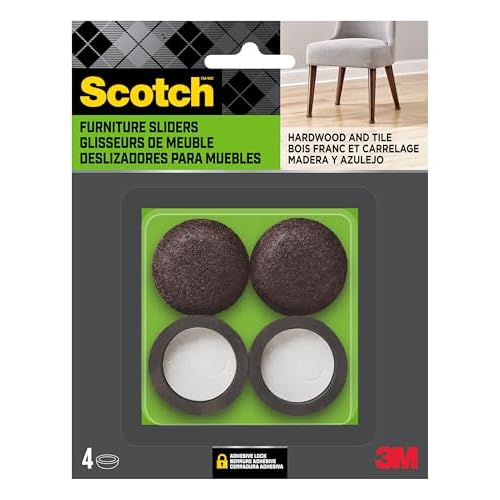
When moving any piece of furniture, lift it instead of dragging to avoid direct contact and pressure on the wood. This simple practice can significantly reduce the risk of creating unsightly marks on the surface.
Lastly, be mindful of maintaining humidity levels within your space. A stable environment aids in preserving your wood by preventing warping, which can exacerbate the issue caused by furniture. Utilizing a humidifier can be beneficial, especially in drier climates or during colder months.
Strategies to Safeguard Wooden Surfaces from Furniture Feet
Adopting sofa or table coasters can significantly minimize damage. They create a barrier, absorbing pressure and preventing scratches or dents. Look for felt or rubber options, as they effectively dampen impacts.
Additional Options
Consider using adhesive pads that can be applied to the underside of furniture. These pads not only cushion but also enhance stability, ensuring that pieces do not slide or shift easily.
Environmental Factors
Opting for area rugs under key pieces can add another layer of defense. This strategy not only offers cushioning but also contributes an aesthetic touch to the setting.
| Material | Effectiveness | Application |
|---|---|---|
| Felt Pads | High | Attach to furniture bases |
| Rubber Coasters | Medium | Place under legs |
| Area Rugs | High | Underneath larger items |
| Adhesive Pads | Medium | Stick to underside |
Choosing the Right Furniture Pads for Hardwood Floors
Opt for pads crafted from soft materials like felt or rubber. These options cushion against impact and minimize scratches. Ensure the pads have an adhesive backing for secure attachment to the furniture’s base.
Types of Furniture Pads
- Felt Pads: Ideal for sliding furniture, they glide smoothly and protect the surface.
- Rubber Pads: Provide grip, preventing slippage while absorbing shock. Great for heavier pieces.
- Self-Adhesive Pads: Simple to apply and remove, making them versatile for different types of décor.
Size and Shape Considerations
Select pads that match the size of the furniture legs for optimal coverage. Round pads work well on circular legs, while square pads suit rectangular or flat surfaces. Measure carefully to ensure full contact and protection.
Keep a variety of sizes on hand; this allows for flexibility when rearranging or exchanging pieces. Regularly inspect the pads for wear and replace them to maintain effective shielding.
Proper Cleaning and Maintenance of Furniture Legs
Regularly inspect the bases of your items for dirt and debris. Accumulated grime can scratch surfaces during repositioning. Use a soft, dry cloth to wipe them down weekly, ensuring they remain free from buildup.
Dusting and Cleaning Solutions
For deeper cleaning, moisten a cloth with a gentle cleanser suitable for the material of the leg. Avoid overly abrasive products, as they can damage finishes. Wipe down thoroughly, making sure to get into any crevices.
Preventing Moisture Damage
After cleaning, ensure that the legs are dried promptly to prevent moisture retention. Place coasters or fabric pads beneath each leg, particularly in humid environments, to minimize exposure to moisture and humidity shifts.
For metallic elements, use a protective polish periodically to prevent rust and corrosion, prolonging their lifespan. Wooden components benefit from an application of wood conditioner every few months to sustain their natural beauty and integrity.
Maintaining the cleanliness and condition of the bases will prolong their functionality and aesthetic appeal, reducing the risk of causing damage to surfaces underneath.
Best Practices for Moving Furniture Without Damage
Using sliders is a practical solution to avoid scratches and marks on surfaces. They can be easily placed beneath the items, allowing for smooth movement without lifting.
Preparation Steps
- Clear the area of any obstacles that could interfere with movement.
- Ensure that the floor is clean to prevent dirt from scratching the surface during the process.
- Measure the dimensions of the items to confirm they fit through doorways and hallways without friction against walls.
Movement Techniques
- For heavier pieces, utilize a dolly or hand truck that is designed for maneuvering bulky items.
- Lift items by bending at the knees and maintaining a straight back, using teamwork to manage weight distribution.
- Slide items along the surface rather than lifting, ensuring that any edges that could cause damage are protected with soft materials.
These methods enable safe relocation without compromising the integrity of installed surfaces.
Identifying and Fixing Existing Damage on Wood Surfaces
Inspect for scratches and dents regularly. Use natural lighting to spot imperfections more easily. A magnifying glass may help reveal finer details that require attention.
Repairing Scratches
For minor scratches, I apply a wood repair marker that matches the flooring. Simply draw over the scratch, let it dry, and lightly buff with a soft cloth. For deeper scratches, consider using a colored wax filler stick. Warm the stick and fill the scratch, then smooth it out with a plastic scraper.
Addressing Dents
To fix dents, dampen a cloth and place it over the affected area. Use a steam iron on low heat to apply steam directly through the cloth. This causes the wood fibers to swell back into place. Once the dent is raised, allow it to dry and sand lightly for an even finish.
Recommended Furniture Leg Styles to Minimize Floor Scratches
Opt for tapered or rounded legs, as these shapes distribute weight more evenly and reduce contact points with surfaces. This design lowers the chance of dents and scratches. Avoid square or sharp-legged furniture, which can concentrate pressure and cause more significant marks.
Materials Matter
Select furniture with softer leg materials such as rubber or plastic, which tend to glide smoothly and prevent damage. Wooden legs should be treated with a smooth finish to minimize friction. Metal is durable but can scratch if not protected adequately; using glides is advisable.
Adjustable Options
Consider using adjustable legs that incorporate cushioning or pedestals that can be raised or lowered to fit your space. These features allow for proper alignment and reduces shifting, which can lead to scratches. Investing in self-leveling feet can also be beneficial as they adapt to uneven surfaces, maintaining stability.
DIY Solutions for Creating Custom Floor Protection
I recommend using felt pads as an easy and cost-effective way to shield your natural surface. You can cut pieces of felt to the desired thickness and size, then adhere them to the base of furniture to minimize contact and damage.
Repurposed Soft Materials
Consider saving old yoga mats or carpet remnants. They can be cut into various shapes and attached to furniture supports, providing an additional layer of cushioning. This not only protects the surface but also reduces slippage.
Rubberized Solutions
Utilizing rubber strips or mats can enhance gripping power and protect the polish on your exteriors. Cut rubber pieces to fit beneath heavy items for added assurance against scratches. An alternative is using rubberized paint on furniture ends for permanent protection.
FAQ:
What types of furniture protectors are best for hardwood floors?
There are several effective options for protecting hardwood floors from furniture legs. Felt pads are widely used, as they create a soft barrier between the legs and the floor, minimizing scratches. Rubber or silicone caps can also be effective, providing a stable grip without causing damage. Additionally, coasters or gliders made of plastic or fabric can help distribute weight and reduce friction. It’s important to choose protectors that fit the furniture legs well and are durable enough for continuous use.
How often should I replace furniture leg protectors on my hardwood floors?
The frequency of replacing furniture leg protectors depends on the wear and tear they experience. Generally, if you notice any signs of damage, such as fraying or loss of grip, it’s time to replace them. A good practice is to inspect the protectors every few months, especially in high-traffic areas. Monitoring them regularly can help maintain the integrity of your hardwood floors and prevent scratches.
Can I use furniture with wheels on hardwood floors?
Yes, furniture with wheels can be safely used on hardwood floors, but it’s advisable to use specially designed wheel casters that are safe for hardwood. These typically have a softer material that protects the surface from dents and scratches. Additionally, consider using a mat under heavier furniture to help distribute the weight and to further protect the floor. Regularly check the wheels for any debris, as this can cause scratches when dragged.
What DIY options are available for protecting hardwood floors from furniture?
A few DIY options can offer effective protection for hardwood floors. For instance, you can create your own felt pads by cutting out felt fabric and adhering it to the bottom of furniture legs. Using rubberized paint on the underside of furniture legs can provide a soft barrier as well. Another option is to place area rugs under furniture, which can protect the flooring while also enhancing the room’s decor. Just ensure that the rugs have a non-slip backing to avoid any accidents.
Is there anything I can do to fix scratches on my hardwood floors after furniture damage?
Yes, scratches on hardwood floors can often be repaired. For minor scratches, a wood polish or a mixture of olive oil and vinegar can help blend the scratch with the surrounding area. More significant damage may require wood filler or a touch-up stain that matches your flooring. After applying the filler, sanding the area lightly and finishing with a corresponding sealant can restore the floor’s appearance. For deeper damage, consulting with a professional may be the best course of action.
What are some effective ways to protect hardwood floors from furniture legs?
To safeguard hardwood floors, consider using furniture pads or felt protectors under all furniture legs. These pads create a cushion between the furniture and the floor, reducing scratches and dents. Adjusting furniture placement regularly can also help distribute weight more evenly, which minimizes floor damage. Additionally, cleaning the floor regularly and using rugs in high-traffic areas can further protect against wear and tear. Alternatively, placing a soft mat under heavy furniture or using a combination of these techniques will enhance the protection of your hardwood floors.


