Caleb Turner

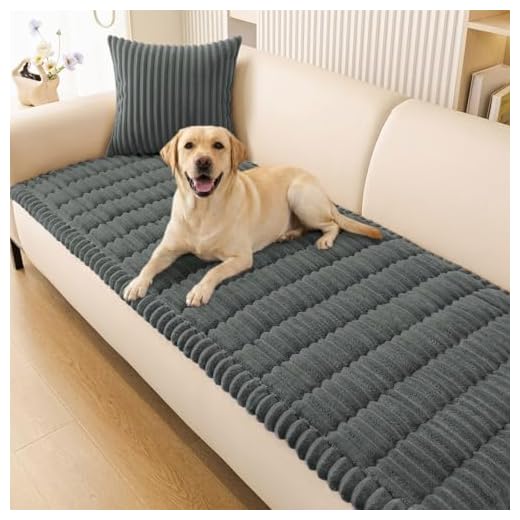
Using a combination of durable protectors and barriers is key. Invest in high-quality furniture covers that not only shield but also add a layer of comfort. Look for options made from tear-resistant materials that are easy to clean and maintain.
Another practical solution involves applying protective caps or sleeves specifically designed for the bottom of your items. These accessories can absorb some of the impact from playful interactions, preserving the integrity of your treasured pieces while adding a visual element that complements your style.
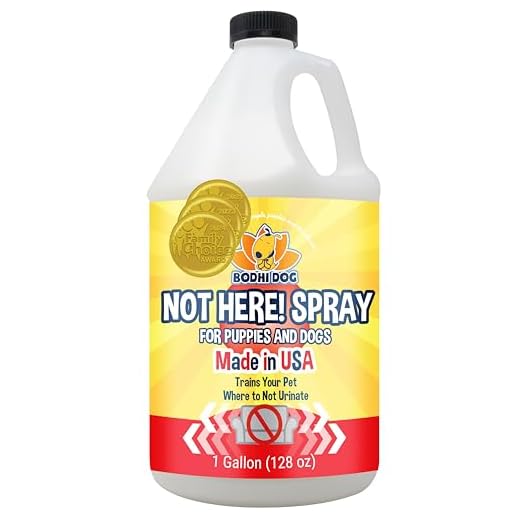
Utilizing deterrent sprays can also be effective. These sprays create an unpleasant taste that discourages curious furballs from chewing on surfaces, ensuring your investments remain intact. Always ensure any products used are safe for pets and do not contain harmful chemicals.
Creating a designated play area with chew toys and other distractions helps redirect their energy. By consistently encouraging engagement with their own items, you divert attention away from your interior decor.
Solutions for Shielding Furniture from Chewing
Utilize protective wraps specifically designed for table and chair bases. These products are often made from durable materials that prevent gnawing and can be aesthetically pleasing, blending in with your decor.
Alternative Strategies
Consider employing strategic placement of barriers or deterrents around the areas prone to damage. Floors mats can not only provide a buffer but can also redirect the young animal’s attention away from your valued pieces.
Training and Distraction
Incorporate sensory toys that engage and entertain your pup. These can divert their interest from the surroundings while simultaneously promoting healthy chewing habits.
Choosing the Right Furniture Materials
Selecting durable materials is critical for ensuring longevity in your seating and tables. I recommend considering hardwoods like oak or maple for their resistance to chewing and scratching. These options provide a sturdy foundation and are less likely to sustain damage, making them suitable for households with young dogs.
Upholstery Choices
When it comes to upholstery, opt for fabrics that resist wear, such as microfiber or tightly woven textiles. These choices have a low propensity for staining and are easier to clean, which is a significant advantage when dealing with energetic canines. Avoid delicate materials like silk or loose weaves, as they can easily be torn or stained.
Surface Finishes
A protective finish is as important as the material itself. Look for polyurethane or ceramic coatings that provide an additional barrier against scratches and moisture. These finishes can prolong the life of your pieces, making them more resilient in a bustling environment.
Using Furniture Leg Protectors
Select high-quality protectors designed specifically for the bases of your items. Materials like silicone or rubber offer a durable barrier against scratches and chewing. These options provide a snug fit and can absorb impacts, reducing wear and tear.
Consider removable, adhesive-backed guards that allow for easy application and removal. They come in various sizes, accommodating different dimensions and shapes. Ensure a secure attachment to avoid slipping when in use.
Transparent varieties can maintain the aesthetic of your decor while serving their purpose effectively. For an extra layer of security, choose padded options that can cushion against any accidental knocks.
Regularly inspect the protectors for signs of damage or wear. Replace them as needed to maintain their functionality. This proactive step will save you from further repairs down the road.
Incorporate these solutions into your routine cleaning regimen. This will ensure both cleanliness and longevity for the base of your items, safeguarding them well against the playful tendencies of your young canine companion.
Applying Deterring Sprays for Puppies
Choose a spray with bitter apple or citrus scent, as these are often unappealing to dogs. Apply the solution evenly on the surfaces you wish to protect. Ensure the area is well-ventilated during the application.
Test any deterrent on a small, inconspicuous area first to avoid damaging the finish. Allow it to dry completely before letting your pet near the treated item. Reapply the spray regularly, especially after cleaning, to maintain effectiveness.
Keep in mind that some animals may react differently. Observe your pet’s behavior and adjust the deterrent accordingly. If a particular product does not yield the desired results, consider trying a different formulation.
Avoid using sprays that contain harmful chemicals. Check labels for pet safety, ensuring the ingredients are non-toxic. Natural alternatives can be effective and provide peace of mind.
| Deterrent Type | Main Ingredient | Notes |
|---|---|---|
| Bitter Apple | Malic Acid | Safe for dogs, effective in preventing chewing |
| Citrus Spray | Natural Citrus Oils | Fresh scent, often off-putting to dogs |
| Vinegar Solution | White Vinegar | Safe, odor may discourage pets |
| Commercial Deterrent | Varies by brand | Check for safety and effectiveness |
Consistency is key. Maintain a regular schedule for application and continue to monitor interactions with the treated surfaces. This creates a more uninviting environment for nibbles and scratches.
Training Your Puppy to Avoid Furniture Legs
Focus on positive reinforcement techniques to encourage your young dog to steer clear of those supports. Use treats and praise when your puppy plays in appropriate areas. This helps reinforce desirable behavior and makes them associate the act of avoiding the legs with rewards.
Setting Up Boundaries
Utilize baby gates or playpens to create defined play zones. By restricting access to certain areas, your fur companion will learn where they can and cannot go. Gradually increase their freedom as they demonstrate understanding of the designated spaces.
Redirecting Attention
Whenever you catch your little one targeting the supports, gently redirect them to a toy or designated chewing item. Providing engaging alternatives can keep them occupied while reinforcing the idea that chewing is acceptable on their toys, not on your furnishings.
Creating a Puppy-Friendly Environment
I recommend establishing a designated play area for your new furry companion, filled with appropriate toys and items that stimulate their interest while keeping them away from household furnishings. Use baby gates or playpens to confine them to this safe zone, allowing for both freedom and security during their exploration.
Incorporating soft, chew-resistant mats or rugs can provide a comfortable surface for them to relax on without causing damage to your flooring. Ensure that these materials are washable to maintain cleanliness and hygiene.
Consider using furniture placement strategically. Arranging larger pieces to create barriers can discourage access to vulnerable items. This layout will not only protect your belongings but also promote a sense of security for your playful pal.
Regularly rotating toys and providing interactive elements can keep your pup engaged. Avoid high-risk items within reach. Opt for durable toys designed for chewing to distract them effectively, reducing the chance of seeking out forbidden objects.
Scheduling playtimes and engaging activities will redirect their energy. Daily walks and training exercises work wonders in establishing boundaries and routines, enhancing their behavior and providing physical stimulation.
Regular Maintenance and Inspections
Conduct frequent inspections of your furnishings to identify any signs of wear and tear. Check for scratches, dents, or any damage that could weaken the structure. Addressing issues early can prevent more significant problems later.
Key Maintenance Steps
- Examine for loose joints or screws every few weeks.
- Wipe down surfaces with a damp cloth to remove dirt that could cause deterioration.
- Consider applying protective wax or sealant to surfaces to enhance durability.
Incorporate a cleaning schedule into your routine. Regularly dust and vacuum areas around your installations to minimize debris accumulation, which can attract your four-legged companions.
Inspection Tips
- Use a flashlight to inspect dark corners and under items for hidden damage.
- Engage a friend to help move larger pieces for a thorough inspection.
- Document any findings to keep track of repairs and maintenance performed.
This ongoing care effort can significantly extend the life of your possessions and reduce potential mishaps involving your adventurous little companions.