
 Caleb Turner

The first step in refreshing your wooden items is to select the right type of coating. Based on my experience, water-based finishes are easier to work with and tend to dry faster, while oil-based options provide a richer finish and greater durability. Determine which option aligns best with your expectations before proceeding.
Next, preparation plays a crucial role. Start by thoroughly cleaning the surface to remove any dirt or grease. I usually sand the item lightly with fine-grit sandpaper to create a smooth surface for adhesion. Don’t forget to wipe away the dust with a damp cloth; this step ensures a flawless application later on.


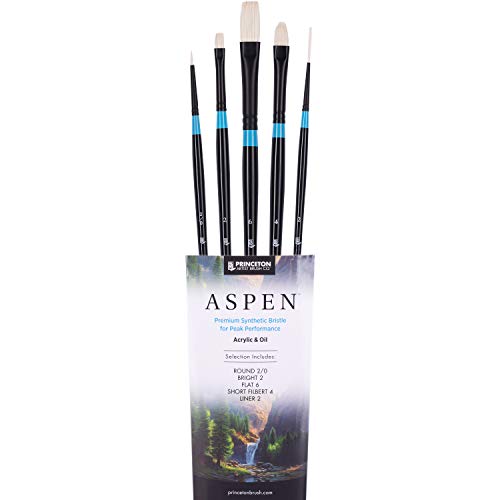
Select your applicator wisely. A high-quality brush or foam roller can deliver a more even coat than a spray can. For intricate designs, I prefer using a small brush to ensure every detail is covered. Apply the coating in thin layers, allowing adequate drying time between applications to prevent drips and uneven spots.
Finally, consider a protective layer to enhance longevity. A clear topcoat can shield the finish from scratches and spills, significantly extending the item’s life. After the final coat dries completely, your refreshed piece will be ready to showcase in your space.
How to Properly Paint Wood Furniture
Begin with a thorough cleaning. Utilize a mixture of warm water and mild detergent to eliminate dust, grease, and grime. Ensure the surface is completely dry before proceeding.
Preparation Steps
Sanding is necessary to create a smooth surface. Use medium-grit sandpaper initially, then switch to fine-grit for the final touch. Focus on any rough patches or old paint layers, ensuring evenness. After sanding, wipe down the piece with a damp cloth to remove any dust.
Application Techniques
Select a high-quality primer, designed for your specific material type, to enhance adhesion. Apply using a brush or roller, depending on the size of the surface. Allow sufficient drying time as indicated on the primer instructions. Then, choose a suitable coating material, opting for either spray or brush application based on your comfort and the piece’s design. Thin layers will help in achieving a smooth finish; apply multiple coats as required, with adequate drying time in between.
Selecting the Right Type of Paint for Wood
To achieve a durable and attractive finish, I carefully consider the type of coating. For most projects, acrylic latex is an excellent choice due to its ease of use and quick drying time. If I need a high-gloss finish, I often opt for oil-based enamel, which provides a hard, water-resistant surface.
Comparison of Different Paint Types
| Paint Type | Characteristics | Best Use Cases |
|---|---|---|
| Acrylic Latex | Water-based, low odor, quick drying | Indoor pieces, children’s items |
| Oil-based Enamel | Durable, high gloss, longer drying time | High-traffic items, outdoor use |
| Chalk Paint | Matte finish, easy to distress | Shabby chic, vintage styles |
| Milk Paint | Natural, non-toxic, made from milk proteins | Eco-friendly projects, rustic looks |
Choosing the Finish
Beyond the type of coating, I also focus on the finish. Matte finishes offer a subtle look, while satin and semi-gloss provide a little shine for added depth. For furniture exposed to heavy use, I prefer semi-gloss or gloss for easier cleaning and better longevity.
Lastly, I always check the label for compatibility with my base material and application method, ensuring optimal adhesion and performance for a long-lasting result.
Preparing the Surface for Painting
Begin with a thorough cleaning of the item. Use a mixture of warm water and mild soap to remove dust, grease, and any previous residues. A damp cloth can help lift off dirt effectively.
Next, for unfinished or previously coated surfaces, sanding is critical. Use medium-grit sandpaper (around 120-grit) to smooth out rough areas and remove the gloss from old finishes. Follow up with finer sandpaper (220-grit) for a smoother finish. Always sand in the direction of the grain to prevent visible scratches.
After sanding, remove the dust generated by this process. I utilize a vacuum or a tack cloth to ensure the surface is clean. Any remaining particles can interfere with adherence.
If the item has deep scratches or imperfections, applying a wood filler can remedy these issues. Once the filler dries, sand the area again until smooth.
A primer application is advisable, especially for porous materials or those with dark colors. This step enhances adhesion and can assist in achieving a uniform finish. Make sure to choose a primer compatible with your selected topcoat.
| Surface Condition | Recommended Action |
|---|---|
| Dirty | Clean with soap and water |
| Old Finish | Sand to remove gloss |
| Deep Scratches | Apply wood filler |
| Porous Surface | Use primer before topcoat |
Once prepared, ensure ample drying time for any cleaning agents or fillers before proceeding to apply the top layer. This preparation phase is key to achieving a lasting and polished look.
Choosing the Appropriate Tools for the Job
I recommend investing in high-quality brushes and rollers designed specifically for the medium you’ve selected. Synthetic bristles work well with latex formulations, while natural bristles are better suited for oil-based alternatives. A good angle brush can provide precision in corners and edges, enhancing the overall outcome.
Rollers and Pads
Select the right nap length for your roller based on the texture of the piece. A short nap is ideal for smooth surfaces, while a longer nap will hold more coating and work well on rougher textures. Foam rollers are also effective for achieving a fine finish without leaving marks.
Additional Accessories
Dropping a drop cloth under your workspace is essential to protect your flooring. A quality painter’s tape will ensure clean lines, so I often tape off areas where different colors may meet. A paint can opener and a stir stick are simple yet crucial tools to have on hand, as well as a paint tray for easy loading of your applicators.
Applying a Primer: Why and How
Using a primer is non-negotiable for setting a solid foundation before applying the final coat. It enhances adhesion, ensuring that the top layer bonds effectively and lasts longer. Additionally, a primer prevents stains and knots from ruining the finish, providing a uniform surface.
I prefer shellac-based or oil-based primers for their superior sealing properties. For latex paints, a latex primer works well. Before application, ensure the surface is clean, dry, and free of dust. This maximizes primer adherence.
To apply, I use a high-quality brush or roller, starting with edges and detailed areas first. I follow with broad strokes on larger surfaces. A thin, even layer is crucial–thicker coats can lead to drips or uneven coverage. Allow a drying time specified by the manufacturer, usually a few hours, or until it feels dry to the touch.
After sanding lightly with fine-grit sandpaper, I check for imperfections and clean off any dust. This step is vital for creating a smooth and seamless surface for the final finish.
Paining Techniques: Brushing vs. Spraying
For achieving a smooth finish, I recommend using a high-quality brush for smaller projects and intricate details. A synthetic bristle brush works best with latex paints, while natural bristles are better suited for oil-based options.
In contrast, if time is a constraint, spraying is a faster method. An airless sprayer delivers an even coat and can reach difficult angles, making it ideal for larger pieces. However, I advise practicing on a scrap surface first to avoid overspray.
When brushing, maintain a wet edge and apply multiple thin layers instead of a single heavy coat to prevent drips. With spraying, maintain a consistent distance from the surface, usually 6 to 12 inches, to ensure an even application.
Cleanup varies significantly between the two techniques. Brushes require washing and proper storage, while sprayers need thorough disassembly and cleaning to prevent clogs. I find both methods effective when used correctly; my choice often depends on the project scale and finish quality desired.
Understanding Drying Times and Conditions
For optimal results, it’s crucial to monitor drying times and environmental conditions throughout the process. Typically, I allow each coat to dry for at least 2-4 hours before applying the next one.
Factors affecting drying include:
- Humidity: Higher levels can significantly lengthen drying time. Aim for a humidity level below 50% for faster curing.
- Temperature: Ideal temperatures are between 65°F to 75°F. Cooler conditions slow the drying process.
- Airflow: Ensure sufficient ventilation in the workspace. Moving air can speed up drying and help prevent issues like dust settling.
Using a dehumidifier can be beneficial in humid environments. Conversely, a fan can aid in circulation, promoting quicker drying in a warm space.
After painting, it’s wise to wait at least 24 hours before handling the item extensively to avoid marks or damage. For complete curing, it may take up to two weeks, particularly with oil-based paints.
Regularly checking the dryness by touch–ensuring the surface feels tack-free–helps gauge readiness for additional layers or handling.
Finishing Touches: Applying a Topcoat
Choosing the right sealer is crucial. Opt for polyurethane for durability, or water-based options for easy cleanup and lower odor.
- Select a finish based on desired sheen: glossy for a polished look, satin for subtle elegance, or matte for a natural finish.
- Ensure the base coat is completely dry before applying the top layer; this can take several hours or even overnight.
- Lightly sand the surface with fine-grit sandpaper before each topcoat application to promote adhesion, then wipe with a damp cloth to remove dust.
- Use a high-quality brush or foam applicator to avoid streaks; apply thin, even coats to prevent drips.
- Follow the manufacturer’s recommended drying time between coats, typically 2-4 hours, before adding additional layers.
- After the final layer, allow ample curing time as indicated on the product label, which can range from several days to weeks.
Once fully cured, the finish will not only protect the previous layers but enhance the overall appearance. Regular maintenance can prolong the life of the finish.
Common Mistakes to Avoid While Painting
Avoid skipping surface preparation. Even minor imperfections can lead to an uneven finish, affecting the final result. I always ensure to clean, sand, and prime surfaces accordingly.
Don’t underestimate the drying time between coats. I’ve learned the hard way that applying another layer too soon can cause smudging and bubbling. Patience pays off.
Using the wrong type of applicator can ruin a project. I prefer tools suited to the paint type; for instance, foam rollers work well for smooth surfaces, while brushes are perfect for detailed areas.
Neglecting safety precautions is a mistake I’ve made. Always wear a mask and goggles to avoid inhaling fumes or having paint splatter in your eyes.
Many overlook the importance of using quality materials. Investing in good-quality paint, brushes, and rollers has greatly improved my results.
Applying too thick coats leads to drips and streaks. I’ve found that it’s better to apply several thin layers rather than one thick one for an even finish.
Avoid inconsistent pressure when applying paint. Uneven application can lead to streaks or blotches, which are frustrating to fix later.
Don’t forget to check the weather conditions. Humidity and temperature can dramatically affect drying times and adhesion. I ensure to choose a dry day for my work.
Lastly, I’ve learned to allow sufficient curing time before using or moving the item. This step prevents damage and ensures longevity of the finish.
Maintenance Tips for Painted Wood Fixtures
Regular cleaning is essential. Use a soft, damp cloth to gently wipe surfaces, avoiding harsh chemicals that can degrade the finish.
Protective Measures
- Apply coasters and placemats to prevent scratches and heat damage.
- Use felt pads under heavy objects to minimize pressure marks.
Periodic Inspection
- Check for chips or scratches regularly. If found, touch up the affected area promptly to maintain the integrity of the surface.
- Reapply a protective topcoat every couple of years to enhance durability.
Avoid placing items in direct sunlight to prevent fading of colors. Create arrangements that include shading techniques such as curtains or blinds.
If the finish starts to appear dull, a gentle buff with a microfiber cloth can restore some luster.
For more substantial repairs, consider consulting a specialist rather than attempting significant restoration yourself. Proper upkeep prolongs the life of your decor.


