
 Caleb Turner
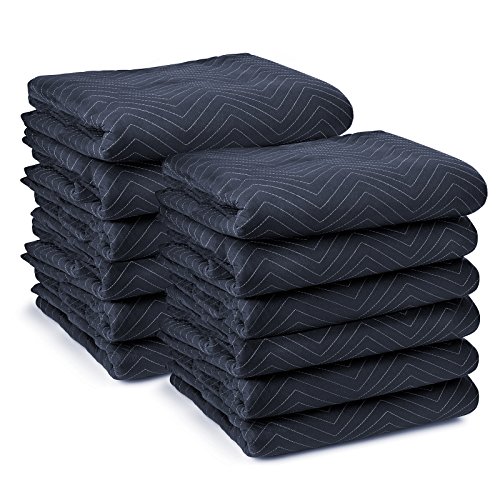
Use quality padding materials for wrapping items. Blankets, bubble wrap, or specialized moving pads work wonders in safeguarding surfaces from scratches and dents. These layers provide a buffer against impacts that often occur during transportation.
Disassemble larger pieces for easier handling. This reduces the weight and minimizes the risk of knocking against walls or doorframes, potentially causing scrapes or breaks. Remember to keep screws and small parts in labeled bags to avoid confusion during reassembly.
Secure your load in the vehicle properly. Strapping down items ensures they won’t shift during transit, which is a common cause of wear and tear. Use tie-downs or rope to keep everything in place, effectively enhancing stability throughout the journey.


Don’t forget to use corner protectors. These small accessories provide crucial defense against bumps and can significantly reduce the likelihood of chipping or cracking edges. They are easy to apply and can be found in most hardware stores.
Protecting Your Valuables During Transit
Wrap each piece in moving blankets or bubble wrap, focusing on edges and corners to absorb shocks. This layer adds a buffer against impacts. Use packing tape to secure the wrap, ensuring it stays in place.
Disassemble Large Items
Taking apart bulkier pieces minimizes bulk and potential issues. Remove legs from tables or shelves, and detach cushions from sofas. Keep screws and small parts in labeled bags to simplify reassembly.
Utilize Proper Equipment
Invest in quality moving straps and dollies. Straps help distribute weight evenly, reducing the chance of dropping anything. A dolly is vital for heavier pieces, allowing for easier navigation through doorways and shifts in terrain.
Consider using corner protectors for walls and edges of door frames. These take the brunt of impacts, ensuring no scratches or dents to your surroundings. Secure tight spaces with padding to buffer any contact during transit.
Finally, ensure that everything is snugly packed in the vehicle. Gaps can lead to shifting, so use blankets or foam to fill any voids, preventing movement during transport.
Choose the Right Packing Materials for Protection
Using appropriate packing materials is a key step in ensuring the safety of your belongings. Start with bubble wrap for delicate items. This cushioning provides excellent shock absorption and can be easily adjusted to fit various shapes of objects. Wrap each item individually and secure it tightly with tape.
Next, employ sturdy cardboard boxes for bulkier pieces. Ensure the boxes are of high quality and can hold weight without collapsing. For heavier items, double-walled boxes are preferable. Additionally, use packing paper or foam sheets to fill in gaps inside boxes to minimize movement during transit.
Specialized Covers and Blankets
Invest in moving blankets for larger objects such as cabinets and sofas. These blankets protect surfaces from scratches and bumps. Use furniture sliders to ease the loading process and prevent gouges on floors. Plastic stretch wrap is also effective for securing doors and drawers shut, avoiding unwanted shifting.
Labeling and Organization
Label your boxes clearly with contents and designated rooms to facilitate the unloading phase. Not only does this keep things organized, but it also informs movers of fragile items that need extra care. Using specific markers, such as “fragile” or “this side up,” alerts anyone handling the boxes to proceed with caution.
Disassemble Large Pieces of Furniture Carefully
Take the time to fully dismantle sizable items to avoid complications. Start with removing any detachable components, such as legs, shelves, and doors. This will reduce weight and bulk, making transportation smoother.
- Document the disassembly process. Photograph each step to aid reassembly later, ensuring you remember the original configuration.
- Use appropriate tools. A reliable screwdriver set and Allen wrenches are often necessary for quick disassembly.
- Keep hardware organized. Store screws, bolts, and small parts in labeled bags or containers to prevent loss during transit.
Be cautious with fragile parts. Wrap glass components in bubble wrap or thick blankets for protection. For wooden surfaces, apply corner protectors or padding to mitigate any risks.
Ensure you have enough workspace. Clear the area to allow movement without obstruction, reducing the chances of bumping into surrounding items.
- Check for any hidden screws or fixtures. Some furniture pieces conceal these within drawers or behind panels.
- Enlist help if needed. Having an extra pair of hands can make the disassembly quicker and safer.
After disassembly, label or mark each piece clearly. This will facilitate easy identification during reassembly at the new location.
Utilize Furniture Pads and Blankets Properly
I recommend using high-quality furniture pads and moving blankets as an essential part of the packing process. These items are designed to absorb shock and prevent scratches on surfaces. Make sure to cover each piece thoroughly, especially corners and edges that are more susceptible to scuffs.
For added protection, layer multiple blankets to buffer heavy items. Secure the coverings with tape or straps to ensure they stay in place during transport. When wrapping larger pieces, such as sofas or dressers, pay special attention to protruding parts by cushioning them individually.
Keep an inventory of the blankets used; label each one according to the piece it protects. This not only helps in organizing but also ensures that everything is accounted for after the relocation. Finally, avoid using old or worn-out materials, as they may not provide adequate protection. Invest in durable options for the best results.
Secure All Drawers and Doors Before Moving
To ensure the integrity of items during transportation, I always make it a point to secure all drawers and doors. For drawers, I plug them with tape or wrap them using kitchen towels to prevent them from opening. This method adds extra cushioning as well. For cabinets and sideboards, I utilize rubber bands or specific furniture straps to keep the doors tightly closed. This minimizes the risk of hinges being damaged or doors coming off during transit.
I also advise using small bungee cords or Velcro straps if available. They provide a convenient way to hold doors in place, especially for larger pieces. Before loading, I double-check all secured areas to ensure nothing is loose. If I have the original hardware, I store it carefully in a zip-lock bag and attach it to the piece to avoid losing essential components.
When managing dressers or filing cabinets, emptying contents is crucial. Storing heavy items in these compartments can lead to structural issues. By securing and clearing drawers, I transition items smoothly and mitigate any potential issues that could arise during transport.
Table below highlights some quick techniques for securing drawers and doors:
| Method | Description |
|---|---|
| Tape | Use packing tape to seal drawers, ensuring they remain closed. |
| Wrap | Wrap drawer fronts with towels for additional protection and cushioning. |
| Straps | Utilize rubber bands or furniture straps to secure cabinet doors. |
| Bungee Cords | Employ small bungee cords for larger doors to keep them in place. |
| Empty Contents | Remove heavy items from drawers to avoid structural strain. |
Practice Safe Lifting Techniques to Avoid Drop Risks
Always bend at the knees, not the waist, when preparing to lift an object. This method engages the stronger leg muscles, reducing strain on the back. Grip items securely, using your entire hand to ensure a firm hold. If the piece is bulky or heavy, enlist a partner to share the load.
Maintain a Straight Posture
Keep your back straight throughout the lift. Align the item close to your body, minimizing the distance from your center of gravity to avoid awkward angles. Twist your feet instead of your torso when turning, which helps maintain balance and control.
Use Equipment for Assistance
Utilize dollies or hand trucks for transporting heavier loads. Moving straps can also distribute weight more evenly, making the task less cumbersome. If a stairway is involved, consider using a stair-climbing dolly to simplify navigation.
Use a Furniture Dolly or Moving Straps
Investing in a furniture dolly or moving straps is a practical approach that significantly eases the burden of transporting large items. I always opt for a sturdy dolly with a capacity rating that exceeds the weight of the heaviest piece I’m handling. This ensures that the equipment can comfortably support the load without risk of bending or breaking.
Choosing the Right Dolly
Select a dolly with a wide base to provide stability. I prefer ones with rubber wheels, which enhance maneuverability over different surfaces and prevent scratching floors. If the furniture has unusual shapes, a flatbed dolly may work best to accommodate diverse dimensions.
Utilizing Straps for Enhanced Safety
Employ moving straps to add extra support, especially for unwieldy or bulky articles. Straps distribute weight evenly and reduce strain on my back. I place the strap under the item and secure it across my chest or shoulders, enabling me to lift and navigate tight spaces with greater ease. Always ensure that the straps are tightly fastened before initiating movement.
By incorporating a dolly and straps into my packing supplies, I minimize the risk of contact scrapes and keep the transport smooth. Prior preparation alongside the right tools transforms the whole experience into a more manageable task.
Plan the Route to Minimize Obstacles and Risks
Before initiating the relocation process, I meticulously map out the pathway to identify and eliminate potential challenges. Prior preparation is key to reducing unforeseen setbacks.
Steps to Consider
- Scout the destination. Visit the new location to assess entry and exit points, ensuring there are no obstructions like tight staircases or narrow hallways.
- Measure all doorways and stair dimensions. This helps to confirm that larger items can pass through without damage.
- Inspect the weather forecast. Inclement conditions can affect safety and the integrity of items being transported.
- Clear the pathway. Remove any clutter or obstacles from both the origin and destination, providing a smooth transition.
- Consider elevator availability. If moving to a high-rise, check for accessible elevators and their capacity limits.
Timing and Coordination
- Schedule the move during off-peak hours. Less foot traffic reduces the likelihood of accidents.
- Enlist help from others. Having additional hands on deck facilitates coordination and ensures everything moves seamlessly, especially around tight corners.
- Maintain consistent communication. Use walkie-talkies or mobile phones to stay connected with your team, making adjustments on the fly if challenges arise.
Efficient planning creates a well-structured approach to relocation, ensuring items reach their new home intact and unscathed.
Hire Professional Movers for Complex Items
When dealing with oversized or intricate pieces, enlisting specialized help significantly reduces risks associated with transport. Moving companies equipped with the right tools for handling bulky structures ensure that breakage and loss are minimized.
Experience Matters
Skilled movers have extensive knowledge of how to manage delicate finishes and complex joinery. They can assess the unique requirements of each item and implement strategies that I might overlook. Their expertise becomes crucial for items like pianos or large glass tables requiring meticulous attention.
Proper Equipment
Professional teams utilize specially designed equipment such as hoisting straps, ramps, and dollies tailored for heavy lifting and maneuvering. This prevents potential mishaps that could occur with standard moving supplies. With these tools at hand, it’s evident that securing a safe transport becomes more manageable, especially in challenging situations.
Investing in expert movers provides peace of mind, allowing me to focus on the transition without the burden of worrying about potential mishaps with valuable belongings.
Inspect Furniture Post-Move for Any Damage
After the relocation, I meticulously examine each piece for any imperfections or signs of distress. This initial scrutiny should happen as soon as everything is unloaded, ideally before I start arranging items in my new space.
Check for Scratches and Dents
I pay close attention to surfaces, looking for scratches, dents, or any inconsistencies. A soft cloth can help me feel for subtle flaws that may not be immediately visible.
Assess Structural Integrity
Next, I assess the sturdiness of items by gently applying pressure to joints and seams. Any wobbling or unusual movement indicates a potential issue that needs addressing.
Documenting findings with photographs serves as a record for any future claims with moving services or for personal reference. This thorough approach ensures that I take appropriate action early, whether it’s repairs, cleaning, or adjustments to my new surroundings.


