
 Caleb Turner

Begin with clear, high-quality images of your item. Capture various angles and ensure good lighting to showcase its condition. Visual appeal draws attention and can significantly enhance the chance of selling.
Craft your description meticulously. Include relevant details such as dimensions, material, and any unique features. Highlight any imperfections honestly, as transparency builds trust with potential buyers.
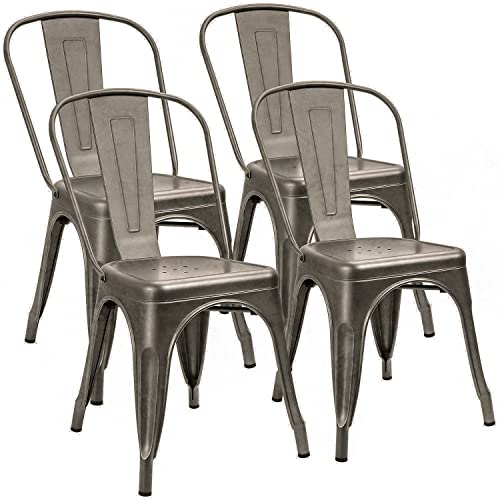


Set a realistic price based on research. Compare similar listings to gauge market rates. A competitive price can attract more inquiries. Do not forget to include information about pickup and delivery options, as convenience is a deciding factor for many shoppers.
Engage with interested parties promptly. Quick responses can keep potential buyers invested and demonstrate your reliability. Be prepared to negotiate but know your lowest acceptable price beforehand to maintain control over the selling process.
Finally, utilize effective keywords in your listing. Terms like “gently used,” “vintage,” or branded names improve the visibility of your item in search results and attract relevant buyers.
Listing Your Items Online Successfully
Prioritize high-quality photographs of your item. Clear, well-lit images showcasing different angles attract more attention. Use natural lighting when possible, and ensure the background is free of distractions. Include close-ups of any details, scratches, or imperfections to maintain transparency.
Crafting a Compelling Description
Provide accurate measurements and materials used in the item’s construction. Specify any included accessories or features. Instead of generic descriptions, share a bit about its history or any unique qualities that set it apart, such as custom finishes or designer origins.
Setting the Right Price
Research similar listings to gauge the average price range for your specific item. Consider the condition and any necessary repairs when determining your pricing. If possible, include a small buffer for negotiation, but remain realistic to attract buyers promptly.
Choosing the Right Furniture to Sell
Focus on high-demand items that appeal to a broad audience, such as couches, dining tables, and chairs. Research local market trends to identify which styles and materials are currently popular. For example, mid-century modern and industrial designs are often sought after.
Examine the condition of each piece. Items with minimal wear or those that can be easily refurbished attract more buyers. Ensure that all furniture is clean and well-presented, as first impressions matter significantly in attracting interest.
Evaluate the size of the pieces. Compact furniture that fits well in smaller living spaces is often in greater demand. Highlight dimensions in your listing to help potential buyers envision how the item will fit in their home.
Consider seasonal trends. Selling outdoor furniture during warmer months or holiday-themed decor close to festivities can increase your chances of a successful sale. Timing can play a critical role in how quickly an item sells.
Quality is paramount. Items made from durable materials or those from reputable brands tend to fetch higher prices. Present any original documentation or product details to instill confidence in potential buyers regarding the item’s value.
Lastly, be honest about any imperfections. Transparency builds trust and reduces the likelihood of disputes after a sale. Including accurate photos that showcase any damage or wear helps manage buyer expectations and can expedite the sales process.
Preparing Your Furniture for Sale
To maximize value, clean and repair items before listing. Dust every surface, vacuum upholstery, and polish wood to enhance appeal. Use gentle, non-abrasive cleaners to avoid damage.
Assess Condition
Inspect each piece thoroughly. Identify any scratches, dents, or stains. Minor imperfections can often be camouflaged with furniture polish or touch-up markers, but significant issues should be disclosed in the listing.
Take Quality Photos
Good lighting is key for showcasing your item. Photograph from multiple angles to give potential buyers a comprehensive view. Include close-ups of any unique features and flaws to be transparent.
Disassemble larger items if possible, making them easier to transport and fit into smaller spaces. Ensure that all essential parts are included in the sale, such as hardware for assembly.
Lastly, consider the setting for your photos. A neutral background can help the item stand out, while a clutter-free environment adds to the overall professionalism of your listing.
Taking High-Quality Photos for Listings
Choose natural light to capture your items. I often schedule my shoots during the day when the sun is shining, ensuring the space is well-lit without harsh shadows. Position the piece near a window where it can benefit from diffused daylight.
Utilize a clean background to enhance focus on your item. A simple wall or a plain sheet can work wonders. Clutter can distract potential buyers from the details of what I’m selling.
Multiple angles are imperative. I take shots from different viewpoints to give a comprehensive view. This includes close-ups of any unique features, patterns, or damages that are important for transparency. Buyers appreciate seeing the entire picture before making a decision.
Ensure stability while shooting. I use a tripod or steady my hands against a solid surface to avoid blurry images. This is particularly important for detailed shots where clarity is paramount.
Incorporate props sparingly if they enhance the piece. For example, if I’m selling a chair, placing a throw blanket over it can add warmth and style. However, I avoid overcrowding the frame that can detract from the main item.
Edit photos lightly for brightness and contrast adjustments. Minor tweaks can elevate the visuals without misrepresenting the actual condition. I find tools like basic photo editors or apps are sufficient for this purpose.
Consider including lifestyle images showing the item in use. These can help buyers envision how the piece fits into their living spaces. Sometimes I set the piece in a cozy arrangement to create a more inviting representation.
Lastly, abide by the resolution requirements in your platform of choice. Ensuring high-quality images without exceeding size limits helps maintain clarity and accessibility for potential buyers.
Writing an Engaging Description
Include specific dimensions and materials in the description. For example, instead of saying “comfortable sofa,” specify “a 7-foot long, mid-century modern sofa upholstered in soft gray fabric.” This detail appeals to buyers looking for specific fits in their spaces.
- Highlight unique features. If the item has unexpected elements, such as a hidden storage compartment or a foldable design, showcase those aspects.
- Share how the item can enhance the buyer’s space, like “perfect for creating a cozy reading nook” or “ideal for small apartments due to its compact design.”
- Be truthful about the condition. Use phrases like “slight wear and tear” or “gently used” when relevant. This builds trust with potential buyers.
Use an Inviting Tone
Create a friendly and warm vibe. For instance, phrases like “this piece has brought me joy” make it relatable. This builds a connection with prospective buyers.
Incorporating Keywords
Think about keywords buyers might search for. Include terms like “rustic dining table” or “modern coffee table” in your description. This increases visibility.
Close with a call to action. Encourage interested individuals with a phrase like “Message me for more details!” This prompts engagement and follow-up inquiries.
Setting a Competitive Price
I conduct thorough research to determine a suitable price for my items. I check similar listings in my local area to gauge the going rates. It’s crucial to note the condition, brand, and style of my piece, as these factors can greatly influence its value.
Consider the original purchase price and the item’s depreciation. Typically, gently used items can be priced at 30-50% of the original cost. For highly desirable or unique furniture, I might lean towards the higher end of that spectrum.
Offering a slightly negotiable price can attract buyers. I list an amount that allows room for haggling without undervaluing my item. This strategy can entice inquiries and potentially lead to a sale.
I also account for local demand and seasonal trends. For example, certain types of pieces may sell better during specific months, like outdoor furniture in spring. Adjusting my price based on demand can help facilitate a quicker sale.
A clear and realistic price plays a significant role in attracting potential buyers. If an item doesn’t generate interest after several weeks, I consider lowering the price to encourage movement. Being responsive to market dynamics is key in selling effectively.
Managing Inquiries and Finalizing Sales
Respond to questions quickly. Prompt answers can encourage potential buyers to make a decision faster. Use clear and concise language to address inquiries, and provide additional details about the item if requested.
Keep track of all communications. Maintaining a log of conversations helps in understanding the buyer’s preferences and concerns. It also ensures that you are ready for follow-up discussions when needed.
Be transparent about availability. If an item is no longer available, communicate this clearly to avoid misunderstandings. If multiple buyers express interest, consider stating that the item will be sold to the first buyer who can complete the transaction.
Set your meeting place strategically. Choose a public, well-lit location for transactions to ensure safety and comfort for both parties. If a buyer requests to see the item at home, assess the situation carefully before agreeing.
| Tip | Description |
|---|---|
| Respond Promptly | Fast responses can increase the chance of a sale. |
| Maintain Communication Logs | Track conversations to better understand buyer interests. |
| Be Honest About Availability | Clearly state if items are sold or still available. |
| Choose a Safe Meeting Place | Opt for public locations for in-person exchanges. |
Negotiate firmly yet respectfully. Be open to reasonable offers but know your minimum price. This clarity helps in reaching agreement without unnecessary back-and-forth.
Close the sale efficiently. Once an agreement is reached, set a specific time and location for the transaction. Confirm all details to prevent any last-minute confusion.
If payment methods are discussed, ensure they are secure. Cash is often the simplest, but be cautious with electronic transfers or checks to avoid potential scams.
After the sale, ask for feedback. Positive reviews can bolster future selling endeavors and provide assurance for potential buyers.


