
 Caleb Turner

Use a soft, lint-free cloth for the initial cleaning to eliminate dust and grime. A microfiber cloth works wonders, ensuring no scratches occur during the process. Dampen the cloth slightly with water or a mild soap solution for tougher spots. Avoid any abrasive materials that could mar the surface.
After the initial clean, I recommend applying a wax-based product specifically designed for wood surfaces. Choose a natural beeswax or a commercially available option with a good reputation. Apply a small amount onto a clean cloth, then rub it in using circular motions. This technique brings out the natural beauty of the grain and enriches the texture.
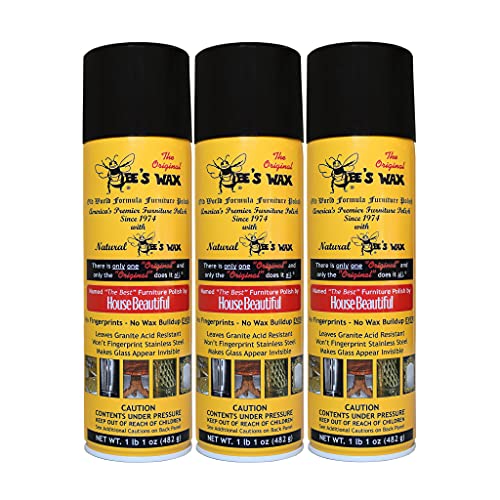


Let the wax sit for a few minutes, allowing it to penetrate adequately. Once it’s set, buff the area with a fresh, dry cloth to achieve a smooth, lustrous finish. Make sure to work in sections for even coverage. Regular maintenance with this simple routine will help preserve the charm of your light wood pieces for years to come.
Tips for Refinishing Softwood Surfaces
Begin with a clean, dry cloth to remove dust and debris from the surface. This simple action prevents scratches during the rejuvenation process.
If there are existing layers of wax or oil, consider using a specific solvent to strip these substances carefully. It’s crucial to follow the manufacturer’s instructions for any product you choose.
After preparation, I often opt for a well-formulated wood treatment that nourishes and protects the grain. A mixture of natural oils serves to enhance the appearance without creating a heavy film.
Apply the oil sparingly using a lint-free cloth, working in the direction of the grain. Small, circular motions allow for even coverage, ensuring no area is overlooked.
After the initial application, I let it absorb for the recommended time before buffing with a clean cloth. This step boosts the finish and brings out the natural luster.
For ongoing maintenance, I recommend periodic cleaning with a damp cloth followed by a light oil application every few months. This keeps the texture replenished and prevents dryness or cracking.
Below is a simple comparison for various products you might consider:
| Product Type | Key Benefit | Application Frequency |
|---|---|---|
| Natural Oil | Enhances grain | Every 3-6 months |
| Waxes | Provides a sheen | As needed |
| Commercial Finishes | Long-lasting protection | Annually |
Lastly, always test a small, inconspicuous area first. This helps ensure compatibility and desired results before applying it to the entire surface.
Assessing the Condition of Your Pine Pieces
Examine the surface closely. Look for scratches, dents, or discoloration that may indicate wear or damage. Pay attention to joints and corners, as these areas often show the most stress.
Identify Signs of Damage
- Scratches: Light scratches can often be buffed out, while deeper ones may require filling.
- Dents: Assess whether they can be steamed out or need sanding.
- Discoloration: This may suggest water damage or sun exposure; it might necessitate refinishing.
Check for Structural Issues
- Wobbliness: Test the stability of legs and joints; tighten or glue as necessary.
- Cracks: Inspect for any splits in the wood, which may require repair before restoration efforts.
- Finish condition: Trace your fingers over surfaces to feel for unevenness, a sign that the finish is wearing away.
Judging the current state will guide your restoration process. Prior to any refinishing efforts, ensure that structural integrity is restored, as this foundation is key to a successful update.
Choosing the Right Polish for Pine Wood
I recommend choosing a natural beeswax or tung oil for enhancing the beauty of your softwood items. These products penetrate deeply, nourishing the surface and providing a warm finish that highlights the grain.
Beeswax
This option is easy to apply and buffs to a soft sheen. It adds a protective layer against moisture while enhancing the natural color. For application, use a soft cloth to rub a small amount onto the surface, allowing it to absorb before buffing off any excess.
Tung Oil
A non-toxic alternative, tung oil offers a more durable finish. It waterproofs effectively and can be layered for a richer appearance. Application involves mixing the oil with a solvent, like mineral spirits, for easier spreading. Apply thin coats, allowing each to dry thoroughly before adding more.
When selecting the appropriate product, consider the level of wear your wooden pieces will encounter. For high-traffic items, opting for a more robust finish, such as tung oil, may be beneficial, while less frequently used pieces can shine beautifully with beeswax.
Preparing the Surface Before Polishing
Ensure thorough cleaning of the piece. Use a lint-free cloth slightly dampened with water to wipe away dust and debris. For stubborn stains, a mild soap solution may be necessary–just remember to dry the surface immediately after cleaning.
Next, inspect for any imperfections like scratches or dents. For minor damages, fine-grit sandpaper works wonders. Lightly sand the affected areas until they are smooth, following the grain of the wood. Always wipe away dust after sanding to maintain a clean surface.
If the paint or finish needs removal, use a chemical stripper carefully, following the manufacturer’s instructions. Ensure proper ventilation and protection while working with such products. Once the old finish is removed, sand the surface again for a smooth base.
After treating imperfections, consider applying a wood conditioner. This step helps prepare the wood for the subsequent treatment, enhancing absorption and ensuring an even application.
Finally, assess the overall condition. If the piece is particularly old or damaged, consult a specialist before proceeding, as certain treatments may require professional attention.
Applying Polish Evenly on Pine Furniture
To achieve a uniform finish, I use a microfiber cloth or a dedicated applicator pad. I gently dip the cloth in the wax or oil, ensuring it is damp but not soaking wet, to avoid excess product pooling. Next, I distribute the mixture across the surface using circular motions, which helps in achieving an even coat.
Technique for Application
I find that working in small sections allows me to focus better and control the amount I apply. After covering a section, I revisit it with a clean side of the cloth to buff away any excess and smooth the finish. This step is key to avoiding streaks or patches.
Drying and Final Buffing
After applying the treatment, I let it dry for about 15 to 30 minutes, depending on the product used. Once dry, I use a fresh, clean cloth to buff the entire piece, enhancing the luster and ensuring any remaining product is evenly distributed. This final touch guarantees a consistent and natural appearance.
| Step | Action |
|---|---|
| 1 | Use a microfiber cloth or applicator pad. |
| 2 | Dampen cloth lightly with the application product. |
| 3 | Work in small sections using circular motions. |
| 4 | Buff away excess with clean cloth. |
| 5 | Allow drying for 15-30 minutes. |
| 6 | Final buffing with clean cloth for a smooth finish. |
Techniques for Buffing Pine Wood to a Shine
Begin with a clean, dry cloth to remove any dust or debris from the surface. I prefer using a microfiber cloth, as it traps particles effectively without scratching the wood.
Next, choose a fine buffing pad or a soft cotton cloth. Apply gentle pressure while buffing to create a soft sheen. Move the cloth in circular motions, overlapping each pass to ensure an even finish.
For enhanced luster, should I opt to use a natural wax, I find that applying it in thin layers works best. Let each layer dry completely before proceeding to the next. This method builds up a richer shine without overwhelming the wood.
If I aim for a high-gloss finish, I use a buffer. Setting it on a low speed, I glide the pad across the surface instead of pressing too hard. This technique produces a beautiful shine with minimal effort.
After achieving the desired brilliance, I always check for any residue. Wiping down with a clean, dry cloth ensures that no product remains, leaving the surface smooth and radiant.
Finally, I maintain the shine by performing routine buffing and dusting, which keeps the surface looking polished and well cared for over time.
Dealing with Scratches and Imperfections
For minor scratches, I use a wood filler that closely matches the shade of the surface. I apply it directly into the scratch using a putty knife, ensuring it fills the area adequately. Once it dries, I sand it lightly with fine-grit sandpaper to achieve a smooth finish, blending it seamlessly with the surrounding wood.
Using Natural Remedies
A mixture of vinegar and olive oil can also be effective. I combine equal parts and apply it with a soft cloth. This not only helps to mask light scratches but also nourishes the wood, enhancing its overall appearance.
Addressing Deeper Scratches
For deeper grooves, I consider using a furniture repair marker or crayon that matches the existing finish. I carefully color in the scratch, feathering the edges to create a less noticeable transition. After coloring, I follow up with a light buff to ensure it blends well with the surrounding area.
Maintaining Polished Pine Furniture for Longevity
Regular upkeep extends the lifespan of my well-finished wood items. I adhere to the following guidelines:
-
Dusting:
I use a soft, lint-free cloth to eliminate dust weekly. This prevents particles from settling and potentially scratching the surface.
-
Cleaning:
For deeper cleaning, I create a mixture of mild soap and water. I dampen the cloth with this solution, ensuring it’s not overly wet, and wipe down surfaces. After that, I dry with a soft cloth to prevent water damage.
-
Humidity Control:
I keep the environment stable with a humidifier or dehumidifier as necessary. Wood expands and contracts with moisture fluctuations, so maintaining a uniform humidity level protects against warping.
-
Heat Protection:
I avoid placing hot dishes or appliances directly on surfaces. Always use coasters or heat protectors to prevent burns or marks.
-
Sunlight Exposure:
I position items away from direct sunlight to prevent fading. Using window treatments helps protect them from UV rays.
-
Periodic Refinishing:
Every few years, I consider a light refresher application to rejuvenate the sheen or finish. This step ensures the surfaces remain aesthetically pleasing and also adds a layer of protection.
By regularly attending to these aspects, I ensure that my cherished pieces remain beautiful and functional for years to come.
Common Mistakes to Avoid When Polishing Pine
Avoid using harsh chemical solvents that can damage the wood’s natural finish. Instead, opt for gentle, wood-safe cleaners.
- Using rags that shed fibers may leave behind lint. I prefer microfiber cloths for a clean application.
- Skipping the cleaning process can lead to poor adhesion of the treatment. Always ensure the surface is free of dust and grime.
- Applying too much product at once can create streaks and an uneven sheen. Thin, even layers work best for a smooth finish.
- Neglecting to test on a small, inconspicuous area first can result in unsatisfactory outcomes. Always check compatibility.
- Over-buffing can wear down the wood surface. Gentle, circular motions achieve the desired shine without damage.
Frequency of maintenance is often underestimated. Regular upkeep prevents the need for intense restoration later on.
- Don’t confuse polishing with varnishing. Each serves a different purpose and should be applied accordingly.
- Ignoring scratches can lead to larger issues. Address these imperfections early with appropriate fillers or touch-ups.
Finally, storing in direct sunlight can fade and warp wood. Place items in shaded areas or use UV-protection solutions.


