
 Caleb Turner
For anyone looking to rejuvenate cherished timber pieces, begin with a gentle cleaning using a blend of warm water and mild soap. A soft cloth is ideal for this task, ensuring that you don’t damage the surface. Once cleaned, allow the item to dry completely before proceeding with any treatment.
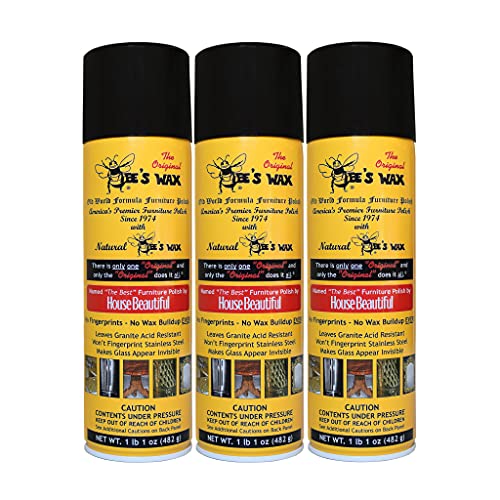
Next, consider applying a quality beeswax or natural oil. I prefer using a combination of both for the best results. Apply the product with a clean, soft cloth in the direction of the grain, using circular motions to ensure an even coat. This will not only revive the sheen but also nourish the surface, providing long-lasting protection.
After application, let it sit for a while and then buff with a separate, dry cloth to achieve the desired finish. It’s rewarding to see how the natural luster returns, making the piece look vibrant and well-loved once again. Maintenance every few months will keep your treasured items looking their best.
Polishing Techniques for Antique Surfaces
Using a blend of olive oil and vinegar creates an excellent solution for reviving the beauty of an antique piece. Mix equal parts of both liquids, apply with a soft cloth, and rub gently in the direction of the grain. This method not only cleans but nourishes the surface, enhancing its natural sheen.


Alternative Solutions
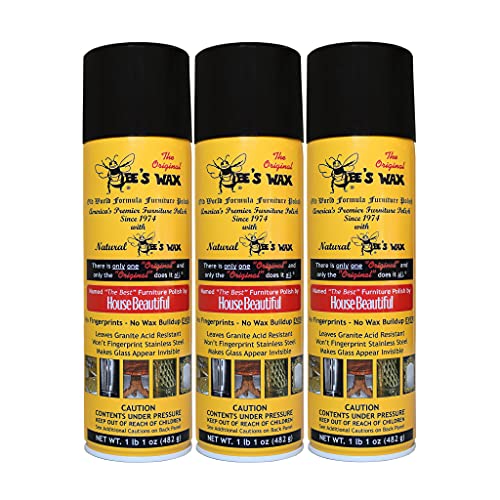
- Beeswax or furniture wax can provide a protective layer while adding luster. Warm the wax slightly, apply with a clean, lint-free cloth, and buff to a high shine.
- For deep cleaning, create a solution of warm water and mild soap. Dampen a cloth with the solution, wipe the surface, and follow up with a dry cloth to avoid moisture damage.
Maintenance Tips
- Avoid using abrasive cleaners or scrubbing pads as they can scratch the surface.
- Regular dusting with a microfiber cloth prevents build-up and maintains the finish.
- Place coasters under beverages and use pads under decorative items to prevent dents and rings.
Implementing these techniques will revitalize the appearance of vintage items, keeping them in prime condition for years to come.
Assessing the Condition of Your Wood Furniture
I examine the surface for scratches, dents, and discolorations. For minor scratches, a touch-up marker matching the finish can work wonders. Dents may be raised using a damp cloth and iron, which I apply cautiously for best results.
I check joints and hardware for stability. Loose connections can be tightened with glue or screws, enhancing structural integrity. Observing the legs or base helps me determine if there’s any warping or instability that requires attention.
I also inspect for signs of pests. Tiny holes or dust particles around the joints indicate potential infestations, which must be addressed immediately. In these cases, consulting a pest control professional may be necessary.
Next, I assess the finish. If the surface appears dull or uneven, it may be time for rejuvenation. Testing a small, inconspicuous area can reveal whether reapplication will improve the appearance. If it enhances the luster, I prepare for the subsequent restoration steps.
Lastly, I consider the wood type. Different species react uniquely to treatment, so researching care specific to the material ensures longevity and preserves its character.
Choosing the Right Polish for Different Wood Types
For optimal results, selecting the appropriate treatment for each variety is essential. Here’s a direct breakdown of suitable options:
1. Oak
This hardwood is known for its durability. A natural oil-based product will enhance its grain while providing a protective layer. Avoid silicone-based products as they can cause buildup.
2. Pine
Pine is softer and more porous. Using a beeswax or mineral oil cleaner will work effectively, as it nourishes the surface while preserving its natural luster.
3. Mahogany
This tropical hardwood benefits from a high-quality, solvent-based polish. It brings out the rich undertones and provides a long-lasting sheen.
4. Cherry
Cherry is known for its warm tones. A wax polish is ideal, as it protects while allowing the wood to age beautifully, deepening in color.
5. Maple
This light-colored wood performs well with a milky or creamy polish, which will provide both shine and a slight stain, enhancing its natural beauty.
6. Walnut
For this richly colored wood, an oil-based product works best. It highlights the grain without masking the inherent patterns.
Ensure to read product labels, as some options are specifically formulated for certain materials. Regular use can enhance the longevity and appearance of your pieces.
Tips for Application
- Always test in an inconspicuous area first.
- Use a soft cloth for application and buffing.
- Avoid excessive product, as it can lead to a sticky residue.
This approach will help in maintaining the distinctive character of each surface. Regular care can make a significant difference in the overall look and lifespan of your treasured pieces.
Gathering Necessary Tools and Materials
Begin with a soft, lint-free cloth to avoid scratches. A microfiber cloth is ideal for this task, as it effectively lifts dust and grime without causing damage.
A high-quality natural bristle brush can help reach crevices and intricate details. This tool ensures that I can thoroughly clean corners where dirt tends to accumulate.
For applying the finish, I prefer using a sponge applicator or soft cloth. Both options work well to create an even layer and allow for smooth application, enhancing the overall look of the surface.
Choosing the right type of conditioning treatment is key. A product specifically designed for the type of finish on my piece will restore its natural shine. Keep options like beeswax or a commercial blend handy, especially if the surface is particularly dry or dull.
Before I begin, I ensure to have a clean workspace, free of debris and clutter, to avoid mishaps during the process. A drop cloth can protect surrounding areas from potential spills or drips, keeping the environment tidy.
Lastly, gloves can protect my hands from chemicals found in various treatments while providing a better grip on tools. With these items collected, I am prepared to refresh and rejuvenate my cherished pieces effectively.
Preparing the Surface for Polishing
To achieve a stunning finish, I ensure the surface is clean and smooth before applying any product. I start by removing dust and debris with a soft cloth or a vacuum equipped with a brush attachment. This simple step prevents any particles from scratching the surface during the process.
Cleaning Techniques
For a deeper clean, I utilize a mixture of mild soap and water. Dampen a cloth with this solution, wiping down the entire area. I make sure not to soak the wood, as excess moisture can cause damage. Afterward, I use another cloth dampened with plain water to remove any soapy residue.
Removing Old Finish
If the surface has an old finish that appears dull or damaged, I consider using a gentle abrasive pad or fine-grit sandpaper (around 220-grit). I lightly sand the area in the direction of the grain, taking care not to apply excessive pressure. This restores some luster and prepares the substrate for treatment.
| Step | Action | Notes |
|---|---|---|
| 1 | Dust Removal | Use soft cloth or vacuum to eliminate debris. |
| 2 | Wet Cleaning | Mild soap with water, followed by rinsing. |
| 3 | Sanding if Necessary | Fine-grit sandpaper can be used for old finishes. |
After these steps, I check for any imperfections or repairs needed before proceeding with the conditioning process. This meticulous preparation truly enhances the final outcome, making the subsequent application more effective and visually appealing.
Applying the Polish Evenly and Thoroughly
Use a clean, lint-free cloth for application to ensure a smooth finish. I prefer a soft cotton rag or microfiber cloth that won’t leave fibers behind. Taking small amounts of the finish, I start at one corner and work my way across the surface, ensuring I cover all areas without using excess product.
Always apply in the direction of the grain to avoid leaving streaks. I follow consistent, overlapping strokes. If I encounter particularly worn areas, I may apply a little extra to those spots but avoid saturating. This practice helps in achieving a uniform look throughout.
For intricate designs or corners, I use a smaller cloth or even a soft brush. This allows me to access hard-to-reach areas effectively. During application, I keep the cloth slightly damp, not wet, to promote a smooth layer of the finish without pooling.
After completing one section, I step back to assess the appearance. If I notice any raised spots or unevenness, I gently buff those areas with a dry section of my cloth. This helps in blending any discrepancies, ensuring a cohesive sheen across all surfaces.
Patience is key at this stage; I allow the finished layer to dry fully as recommended on the product label before applying additional coats. If necessary, I repeat the process for added protection and shine, maintaining the same technique for each layer.
Finally, I like to maintain a consistent routine after application by regularly dusting and cleaning with a suitable solution to minimize the need for extensive work in the future.
Buffing and Finishing Touches for a Shine
After applying the treatment product, I wait for it to cure completely before moving on to the next step. This ensures a proper bond and optimal results. I employ a soft, lint-free cloth, such as microfiber, to gently buff the surfaces. Circular motions work best to enhance the shine evenly across the surface.
For more intricate areas or carvings, I use a small paintbrush or a cotton swab. This allows me to reach every nook and cranny without missing any spots. Patience is key during this stage; I take my time to ensure thorough coverage.
Next, I pay attention to the final sheen that I desire. If I wish to achieve a higher gloss, I choose a finer grade of buffing cloth. For a more matte finish, I lean toward coarser materials. Experimenting with different cloths helps me find the perfect balance for each piece.
Once I’ve achieved the desired look, I examine the piece under different lighting conditions. This helps identify any areas that might need additional attention or adjustments. If I spot unevenness, I repeat the buffing process gently until everything looks harmonious.
Finally, I apply a protective wax layer for added durability. Using a soft cloth, I distribute a thin coat evenly across the surface. After allowing it to sit for a short period, I buff it out, ensuring a deep, enriched shine while also providing a barrier against future wear and tear.
Maintaining Your Polished Furniture Over Time
I recommend cleaning surfaces regularly with a soft, lint-free cloth to remove dust and dirt. This simple step helps maintain the shine while preventing scratches. For deeper cleanup, slightly dampen the cloth with distilled water or a gentle cleaner tailored for the specific finish.
Avoid exposing surfaces to direct sunlight or heat sources, as these can cause fading and warping. Consider using coasters and placemats to protect against moisture and heat damage from beverages and hot dishes.
Reassess the shine every 6 to 12 months. If the surface starts to appear dull, it might be time to apply a new layer of product. Before reapplying, ensure the surface is clean and dry to achieve an even application.
Store your items in a stable environment. Extreme temperature fluctuations can harm the material, so keeping temperature and humidity levels consistent will prolong the life and appearance of the piece.
If any scratches occur, use a matching touch-up pen designed for the finish type. For deeper scratches, consider using a filler crayon and reapplying a suitable finish after it has dried.
Lastly, periodically inspect joints and fasteners, tightening any loose components to maintain structural integrity. Routine care ensures that these cherished pieces remain in excellent shape for years to come.


