
 Caleb Turner
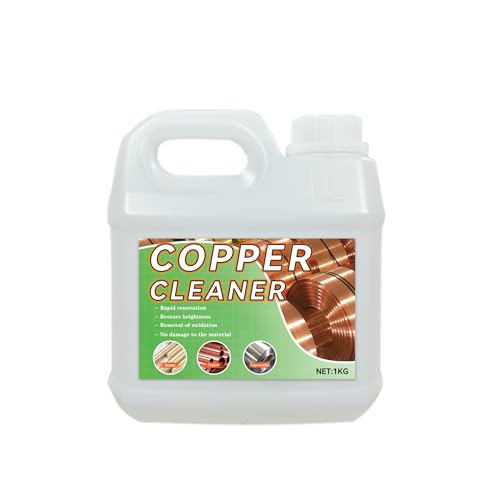
For a radiant shine on your metallic accents, begin with a mixture of equal parts vinegar and water. Apply this solution to a soft cloth and gently rub the surface. This natural cleaner effectively removes tarnish without abrasive effects.
Next, use baking soda and lemon juice for tougher stains. Create a paste with these ingredients, then apply it directly to the discolored areas. Allow it to sit for a few minutes before wiping it off with a damp cloth, revealing a refreshed finish.
After cleaning, maintain the gleam by applying a thin layer of mineral oil. This not only offers protection against oxidation but also repels dirt, ensuring your decorative pieces remain stunning. Always dry thoroughly before storing or displaying.


Guidelines for Maintaining Your Metallic Décor
Apply a mixture of lemon juice and baking soda to your decorative pieces. This combination effectively removes tarnish and restores shine.
Steps to Achieve a Luster
- Mix equal parts of lemon juice and baking soda to create a paste.
- Gently scrub the surface with a soft cloth, ensuring you cover all tarnished areas.
- Allow the paste to sit for 10-15 minutes to maximize its cleaning action.
- Rinse thoroughly with warm water and dry with a microfiber cloth to avoid water spots.
Additional Tips
- Use a commercial cleaner specifically designed for metal finishes if needed.
- Regularly dust the items using a soft, dry cloth to prevent buildup.
- Store items in a dry place to minimize exposure to moisture.
- Consider applying a thin layer of wax to protect the shine after cleaning.
Inspect pieces regularly to monitor for tarnishing, addressing any spots as soon as they appear for the best aesthetic results.
Choosing the Right Cleaning Products for Brass
I prefer using gentle cleaners that contain natural ingredients to avoid damaging the surface. Look for products specifically formulated for metals. Mild soaps or dedicated metal cleaners work best. Avoid abrasive materials, as they can scratch and dull the finish.
Natural Alternatives
For those who favor homemade solutions, a mixture of vinegar and olive oil is effective. Combine equal parts vinegar and oil, apply gently with a soft cloth, and buff until shiny. Another option is a paste of baking soda and water, which can remove tarnish without harsh chemicals.
Commercial Products
If I choose store-bought cleaners, I ensure they are free from harsh acids. Read labels carefully; some products may contain ammonia, which can be harmful. Always do a spot test on a small area before applying to the entire surface to prevent any adverse reactions.
Preparing Your Brass Furniture for Polishing
Begin with thorough cleaning. Use a damp cloth to remove dust and dirt. This prevents scratches and enhances the effectiveness of the cleaning agents.
Examine for tarnish or corrosion. Look closely at all surfaces to identify heavily tarnished areas. Address these spots specifically, applying more cleaning solution as needed.
Remove any detachable hardware or accessories. This allows for easier access to all parts and ensures a uniform result across the entire piece.
Ensure the environment is suitable for this task. Select a well-ventilated space to minimize exposure to fumes from cleaning products. Protective gloves are advisable to shield your hands.
Gather necessary tools: soft cloths, non-abrasive sponges, and appropriate cleaning solutions. Avoid items that could scratch or damage the metal.
Consider testing a small, inconspicuous area first. This helps verify compatibility with the cleaning solution and prevents unwanted reactions on the visible surfaces.
Finally, keep nearby items covered or away to avoid any accidental damage during the cleaning process. This proactive step saves time and prevents additional mess.
Safe Techniques for Removing Old Polish
I recommend using a gentle approach to eliminate layers of outdated finish without damaging the underlying material. Start with a soft, lint-free cloth, preferably cotton, to wipe down the surface. This removes loose dust and debris, ensuring a clean starting point.
Materials You Will Need
| Item | Purpose |
|---|---|
| Cotton cloth | Dusting and initial cleaning |
| White vinegar | Natural solvent for residue |
| Olive oil | Conditioning the surface |
| Baking soda | Gentle abrasive for tough spots |
| Soft-bristle brush | Reaching intricate areas |
Mix equal parts of vinegar and water in a small bowl. Dampen the cloth with the solution, ensuring it is not soaking wet, then gently rub the piece in circular motions. This method breaks down the old layers without risking scratches.
For stubborn spots, create a paste using baking soda and water. Apply a small amount to the affected area and gently scrub with a soft-bristle brush. Rinse with a clean, damp cloth to prevent residue buildup.
To finish, apply a few drops of olive oil to a clean cloth and buff the surface lightly. This condition works well to restore luster and protect against future tarnishing.
Step-by-Step Guide to Polishing Brass
Begin by gathering all necessary materials. You will need a microfiber cloth, a gentle abrasive cleaner, a polishing compound, and a soft cotton cloth. Prepare a workspace that is well-ventilated and protected from any accidental spills.
1. Clean the Surface
Moisten the microfiber cloth with warm water. Wipe down the entire metallic surface to remove dust and dirt. This initial cleaning step prevents scratches during the buffing process.
2. Apply Cleaning Compound
Use the gentle abrasive cleaner on a separate clean cloth. Carefully rub the compound onto the metal in small circular motions. Concentrate on areas that show tarnishing or discoloration. Rinse the cloth regularly to avoid redistributing grime.
3. Rinse Thoroughly
After application, rinse the surface with clean water to eliminate any residue from the cleaner. Dry the area completely with a dry microfiber cloth.
4. Use Polishing Compound
Once the surface is clean, apply a small amount of polishing compound on a soft cotton cloth. Again, use circular motions to evenly distribute the compound across the surface. This step enhances shine and protects against future tarnishing.
5. Buff to a Shine
Take a clean portion of the cotton cloth or a new one altogether. Buff the surface to achieve a bright finish. The more you buff, the brighter the sheen will become.
6. Final Inspection
Check for any areas that may need additional attention. Repeat the earlier steps on those spots as necessary. Ensuring that every section is polished contributes to a uniform appearance.
| Step | Action |
|---|---|
| 1 | Clean with microfiber cloth and water |
| 2 | Apply gentle abrasive cleaner |
| 3 | Rinse to remove residue |
| 4 | Apply polishing compound |
| 5 | Buff with a soft cloth |
| 6 | Inspect and repeat if necessary |
With these steps, the gleam of the metal will be restored, enhancing the overall aesthetic and preserving its beauty for years to come.
Avoiding Scratches During the Refinishing Process
To prevent scratches while working on the restoration of metal accents, always use a soft, lint-free cloth. I prefer microfiber cloths as they are gentle yet effective in lifting dirt without causing abrasions.
Tools and Techniques
Choose your instruments carefully. Opt for sponges or pads that are designed specifically for delicate surfaces. Avoid any abrasive materials, such as steel wool or rough sandpaper, which can easily damage the surface.
When applying any cleaning solution, do so with a light touch. Excess pressure can lead to unintended scratches, particularly on softer metals. Work in small sections to ensure thorough but gentle application.
Protective Measures
- Lay down a soft cloth or drop cloth beneath items you’re treating to catch any potential drag from the tool.
- Consider using painter’s tape to cover sensitive areas or components that you want to keep safe from scratches.
- Maintain a clean workspace, free of debris that could transfer onto your materials and cause scratches during the process.
When rinsing, make sure to use clean water, and dry the surface immediately with a soft cloth. This final step helps remove any remaining grit that could cause fine scratches. By being mindful of the tools and techniques used throughout, the finish will remain smooth and unscathed.
Inspecting and Repairing Damaged Areas
Begin by carefully examining the surfaces for any scratches, dents, or discolorations. It’s essential to identify areas where the coating has been compromised. If I notice any scratches, I use a magnifying glass to assess their depth and severity.
For minor scratches, a fine brass polishing cloth can be effective. I dampen the cloth slightly and gently buff the scratch in the direction of the grain until it begins to fade. For deeper scratches or dents, I may need to consider using a suitable filler specifically designed for metals. This allows me to restore the surface before any finishing treatments.
Next, I address any tarnished spots. A vinegar and water solution can help lift tarnish effectively. I apply the mixture to a soft cloth and gently clean the area, rinsing thoroughly after to prevent further discoloration.
In cases where I discover pitting–tiny holes caused by corrosion–I use a very fine abrasive pad for gentle sanding. This technique helps to smooth down the affected area, but care must be taken to avoid over-sanding, which can further damage the surface.
After repairs, it’s crucial to reapply a protective coating to prevent future damage. I opt for a clear lacquer or wax specifically made for metal finishes. This step enhances durability and maintains the aesthetic appeal of the piece.
Regular inspection is important. Setting a schedule for checking these areas helps maintain the integrity and appearance of my decor, ensuring that any potential issues are caught early and addressed promptly.
Maintaining Shine: Regular Care Tips
To preserve the luster of metallic surfaces, dust them weekly with a soft, dry microfiber cloth. This will prevent dirt buildup and maintain a polished appearance.
For deeper cleaning, use a mixture of warm water and a few drops of mild dish soap. Dampen a cloth with this solution, wipe the surface gently, and then dry with another soft cloth to avoid moisture residue.
Protective Measures
Apply a thin layer of a specialized protective coating every few months. This forms a barrier against tarnish and scratches. Always follow the manufacturer’s recommendations for application to ensure longevity.
Safe Practices
Avoid using abrasive cleaners or scouring pads, as these can scratch the surface and diminish its shine. Additionally, steer clear of harsh chemicals that can tarnish the surface over time. I find that sticking to natural options helps retain the beauty of these pieces.
Regular attention and gentle care will ensure your items remain an eye-catching feature in any room.
Understanding the Characteristics of Different Brass Finishes
My first step in selecting a finish is recognizing the distinction between polished, brushed, and antique options. Each variant presents unique attributes that influence cleaning and maintenance techniques.
Polished Finish
- Highly reflective surface that catches light and showcases the grain.
- Prone to fingerprints and tarnish; requires more frequent care.
- Ideal for creating a lustrous appearance in modern designs.
Brushed Finish
- Has a textured surface that diffuses reflections, minimizing visible smudges.
- Resistant to showing scratches, making it suitable for high-traffic areas.
- Emphasizes a more contemporary or industrial aesthetic.
Antique Finish
- Deliberately aged with a darker, muted hue, enhancing character.
- Less frequent upkeep needed, as the finish naturally obscures wear.
- Perfect for traditional styles, adding a touch of history to decor.
Understanding these differences empowers me to choose the right approach for care and maintenance. This knowledge also informs my decisions about cleaning products and techniques tailored to each specific finish.
When to Seek Professional Help for Polishing
Consider enlisting experts if the surface shows significant corrosion or deep scratches that cannot be addressed with basic techniques. Additionally, if the object’s finish is severely damaged, professional tools and products can restore its original luster.
Complex Designs and Hard-to-Reach Areas
Intricate patterns or components that are difficult to access may benefit from specialized skills. Pros have the right equipment to ensure no detail is overlooked, maintaining the integrity of the piece.
Valuable or Antique Pieces
If I’m dealing with an antique or high-value item, I weigh the risk of DIY methods against potential damage. Experts often have an understanding of historical finishes and can provide appropriate care that preserves value.
In cases where I’ve noticed adverse reactions from previous cleaning agents, turning to a specialist is wise. They can identify inappropriate products and recommend the best course of action.
Finally, if time constraints are significant, hiring someone may be more efficient than attempting the work myself. This way, I ensure a professional finish without compromising the quality of the outcome.


