
 Caleb Turner

Begin with a gentle surface cleaning using a soft, lint-free cloth slightly dampened with distilled water. This method removes accumulated dust and grime without causing harm.
Next, select a high-quality beeswax or a specialized finishing cream that is tailored for premium natural finishes. Apply it sparingly to your soft cloth, ensuring not to over-saturate, and work along the grain for an even application. This technique enhances the inherent beauty and rich color of the material.
After applying the chosen product, let it sit for a few minutes to allow absorption. Follow up with a clean, dry cloth to buff the surface, revealing a warm, inviting glow. Regular maintenance using this method helps preserve the integrity and elegance of your treasured items for generations to come.
Polish Techniques for Wooden Elegance
I recommend beginning with a soft, lint-free cloth to avoid scratching the surface. Dampen the cloth with a solution of mineral oil mixed with a few drops of lemon juice. This combination not only nourishes but also adds a subtle shine, enhancing the natural beauty.
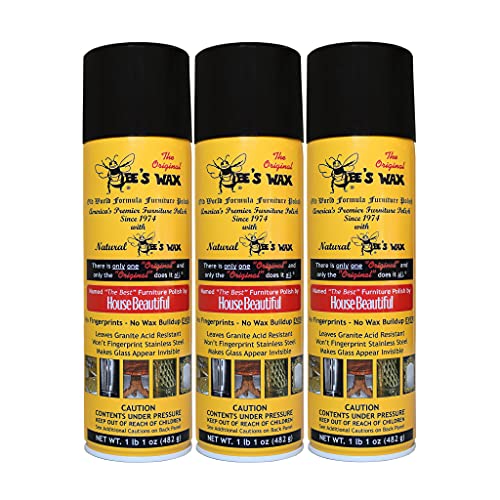


Applying the mixture in a circular motion helps to distribute it evenly. Focus on any areas with accumulated grime or stains, giving those spots a little extra attention. For stubborn residues, a gentle paste of baking soda and water can be effective. Apply it lightly and rinse thoroughly.
After cleaning, let the surface dry completely. Once dry, buff with a clean, dry cloth to bring out a soft sheen. It’s beneficial to conduct this maintenance regularly, about once every few months, to maintain the stunning appearance of the pieces.
Be cautious with commercially available products, as some may contain harsh chemicals that could damage the finish. Opting for natural solutions often yields the best visual results while being safer for longevity.
Understanding the Unique Properties of Cherry Wood
Recognizing the distinct characteristics of this timber is crucial for ensuring its maintenance. The natural grain patterns often exhibit a tight, fine texture, resulting in a smooth surface that enhances its aesthetic appeal. These unique patterns age beautifully, transitioning from a light pinkish hue to a deeper reddish-brown over time.
Its inherent stability makes it resistant to warping and cracking, offering durability for long-term use. I appreciate that it adapts well to various finishes, allowing me to achieve the desired look while enhancing its natural beauty. Always note the softness of this material; it is prone to scratches, making gentle care vital.
Another aspect I find noteworthy is its ability to take stain evenly, creating a consistent color throughout pieces. This quality allows for creative freedom when selecting finishes while ensuring that the unique grain remains visible.
Cherry exhibits a pronounced response to light, gradually darkening and enriching its color with exposure. I recommend placing items strategically to avoid uneven shading. This wood’s unique properties contribute to its timeless charm, making it a favored choice among artisans and enthusiasts alike.
Choosing the Right Polish for Cherry Furniture
Opt for a high-quality beeswax-based product or a silicone-free liquid for maintaining the appearance of your cherished pieces. These options provide a natural luster without leaving behind a greasy residue.
Top Choices
Consider using lemon oil or mineral oil for regular maintenance. Both oils nourish the surface and enhance its grain, while also providing a protective layer against daily wear. Avoid products that contain alcohol or ammonia, as they can strip away the natural finish.
Application Tips
Apply the chosen solution with a soft, lint-free cloth to avoid scratching. Work with the grain and use a light touch. For deeper maintenance, allow the finish to absorb for a few minutes before buffing to a shine. Regular applications will help preserve the beauty and longevity of your items.
Preparing the Furniture Surface for Polishing
Ensure the surface is free of debris and dust by using a soft microfiber cloth. For tougher spots, a dilute solution of mild soap and warm water can help, but avoid soaking the material. Rinse the cloth and wipe off any soap residue thoroughly.
Inspect for Damage
Check for scratches, dents, or other imperfections. Minor scratches can be treated with a wax or fill stick that matches the finish, while deeper blemishes may require sanding. Use fine-grit sandpaper and work gently in the direction of the grain.
Conditioning the Surface
Applying a light coat of conditioner will help prepare the surface for the following finishing stages. This step hydrates the fibers, making them more receptive to subsequent treatments. Allow time for any applied product to dry thoroughly before proceeding.
Techniques for Applying Polish to Cherry Wood
For achieving a beautiful finish on this type of material, I typically utilize a few straightforward strategies that are quite effective.
Choosing the Right Application Tool
- Soft cotton or microfiber cloths are my go-to for applying the solution. They evenly distribute the product without scratching the surface.
- For intricate details or corners, I may use a small foam brush, ensuring that every nook is adequately addressed.
Application Process
- First, I shake the bottle of furniture treatment to mix it well.
- Next, I dampen a cloth lightly with the product–too much can lead to a sticky residue.
- I then apply a thin layer in the direction of the grain. This technique enhances the natural pattern and helps avoid streaks.
- After applying the first coat, I let it dry for the time recommended on the product label.
- Once dry, I gently buff the surface with a clean, dry cloth to achieve a soft sheen.
- I often repeat the process for additional coats, ensuring each layer dries before the next application.
Maintaining an even pressure while buffing is vital; this leads to a uniform shine across the surface.
When working with complex designs, I pay extra attention to transitions and edges. These areas often require a gentler touch to prevent uneven wear or buildup of excess treatment.
Using Microfiber Cloths for Optimal Results
I recommend utilizing microfiber cloths for the meticulous care of your high-quality items. Their soft texture is specifically designed to avoid scratches while effectively trapping dust and dirt. Unlike traditional materials, microfiber offers superior absorbency, allowing for a seamless application of finishing products.
Technique and Application
When using these fabric types, lightly dampen the cloth with the chosen finishing solution. This approach not only provides a uniform application but also minimizes streaking. I find that working in small sections allows me to maintain control, ensuring no area is overlooked. After applying the solution, I use a dry portion of the cloth to buff the surface, enhancing the shine and revealing the rich grain patterns.
Maintenance and Care
Microfiber cloths are washable and reusable, making them a sustainable option for ongoing maintenance. I wash them with mild detergent, avoiding fabric softeners that can leave residues. This practice ensures that they remain effective for future use, preserving the condition of my cherished possessions over time.
Frequency of Caring for Your Cherry Items
I recommend performing maintenance on your beloved pieces every three to six months. This timeframe helps to maintain the natural shine and color.
Seasonal Care
Adjusting your regimen according to the seasons can enhance longevity:
- Spring: Focus on deep cleaning and refreshing the finish as warmer weather approaches.
- Summer: Light maintenance is sufficient, checking for moisture and humidity issues.
- Autumn: Prepare for colder months by ensuring protection against potential drying out.
- Winter: Minimal upkeep needed; keep an eye on indoor heating impacts.
Signs of Needed Maintenance
Monitor for these indicators that suggest it’s time to refresh the surface:
- Loss of shine or dulled appearance.
- Visible scratches or water stains.
- Dirt buildup or grime accumulation.
- Fading or discoloration in areas of frequent use.
In essence, regular attention based on usage and environmental factors preserves the beauty of these pieces, ensuring they stand the test of time. Frequent checking allows prompt action, maintaining optimal condition continuously.
Tips for Maintaining a Shine on Cherry Wood
Regular dusting is my go-to method for keeping surfaces gleaming. I use a soft, lint-free cloth to catch debris without scratching. It’s best to work in the direction of the grain to avoid any damage.
Optimal Cleaning Solutions
I prefer adding a few drops of mild dish soap to warm water when deeper cleaning is required. This mixture effectively removes grime without harming the finish. After cleaning, I always follow up with a damp cloth to prevent soap residue.
Conditioning the Finish
Every few months, I apply a natural beeswax or carnauba-based treatment. This not only enhances the shine but also acts as a protective barrier against moisture and fingerprints. I evenly spread a thin layer with a clean cloth and allow it to set for a few minutes before buffing with another clean cloth for a high-gloss shine.
Avoid using harsh chemicals and abrasive materials as they can strip away the protective layer and dull the surface. Instead, I prioritize gentle care methods to maintain the integrity and beauty of my cherished pieces.
Common Mistakes to Avoid When Polishing
Avoid using excessive moisture while treating surfaces. This can lead to swelling and warping over time. Always apply products in moderation to ensure the finish remains intact.
Using Improper Tools
Using the wrong tools can cause scratches and uneven application. I recommend sticking to high-quality applicators like microfiber cloths, which prevent damage and ensure a smooth finish.
Neglecting Test Areas
Before proceeding with a full application, test any new product on a small, inconspicuous area. This prevents adverse reactions and allows for adjustments based on the wood’s response.
| Mistake | Consequence |
|---|---|
| Overusing Products | Build-up of residue, dull appearance |
| Skipping Surface Preparation | Poor adhesion of the treatment |
| Ignoring Manufacturer Instructions | Incompatible products leading to damage |
Forgetting regular maintenance leads to a lack of protection against wear and tear. Establishing a routine prevents long-term degradation of the surfaces.


