
 Caleb Turner
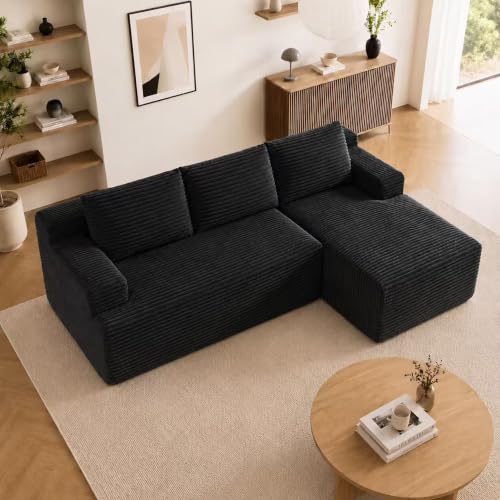
Positioning the seating chairs with their front legs resting on the carpet creates a visually cohesive setup, enhancing the warmth and inviting nature of the space. This method not only unifies the design but also delineates the area effectively.
For larger sofas, extending the base onto the fabric often works best. Ideally, all pieces should connect with at least a portion of their legs on the textile. This arrangement fosters a sense of togetherness, encouraging interaction among occupants.
In smaller settings, consider placing a coffee table atop the fabric to anchor the arrangement. Position the seating around this central piece, maintaining a comfortable distance while ensuring fluid movement throughout the space. This approach maximizes functionality and aesthetic appeal.
Employing a circular pattern with chairs can introduce a dynamic flow, allowing for conversation and ease of access. Ensure that no single piece dominates the area overly, balancing the visual weight across the setup.


Using these simple techniques can significantly enhance the atmosphere of your environment, making it not only practical but also elegantly styled.
Choosing the Right Size Area Rug for Your Living Space
The optimal size for a floor covering in your gathering area generally follows the 2- foot rule. Ideally, the edges should extend at least 18 to 24 inches beyond the seating arrangement. This adds a sense of cohesiveness and definition to the setting.
Measurements and Layouts
To determine the best dimensions, measure your seating arrangement first. For example, if your couch is 84 inches long, a suitable covering should be no less than 8×10 feet. From there, calculate additional space for side tables and accent chairs, ensuring each element has ample room on the textile.
Visual Harmony
A smaller textile often leads to disjointed aesthetics. Aim for a floor piece that can encompass all seating options or at least the front legs. This strategy helps unify your design. When in doubt, larger is preferable, as it fosters a more inviting atmosphere and allows for creative layering of textiles and additional decor.
Determining Furniture Layout Options with an Area Rug
I recommend positioning seating options with the front legs resting on the textile; it creates a cohesive look while emphasizing the space. For smaller settings, placing all chairs on the fabric can define the area and enhance warmth.
When working with a large piece, centering it on the overlay establishes a focal point. Ensure there is ample space around the edges to avoid a cramped appearance; ideally, a distance of 12 inches should be maintained. In this arrangement, I find it beneficial to balance visual weight by aligning additional elements, such as side tables, adjacent to the upholstery.
If integrating multiple zones within one area, consider overlapping textiles. This approach can demarcate distinct spaces for various activities. For instance, a reading nook on one end with a distinct composition will allow for juxtaposition without sacrificing flow.
Another effective strategy includes utilizing diverse shapes in your textiles to mirror or contrast the forms of surrounding pieces, such as angular or circular tables. This interplay adds a dynamic feel to the environment.
Lastly, always step back and observe the arrangement from different angles. Ensuring harmony and accessibility will result in an inviting atmosphere that encourages social interaction.
Arranging Seating Around the Area Rug
Position seating to ensure that at least the front legs of sofas and chairs rest on the textile. This creates a cohesive look and anchors the arrangement. It’s ideal to keep the seating within 12 inches of the edges for accessibility and comfort.
Creating a Balanced Layout
Distribute seating evenly. When configuring chairs and couches, consider:
- Using a sectional that curves around the textile can enhance flow.
- Place armchairs opposite a sofa to foster conversation and visual balance.
- Incorporate a coffee table in the center; ensure it’s within reach (about 18 inches away from seating).
Enhancing Functionality and Style
Consider multifunctional elements:
- Ottomans can serve as extra seating or a footrest.
- Incorporate accent chairs that complement the main seating to enhance style.
- If space allows, add side tables beside chairs and sofas for convenience.
Keep pathways clear; ideally, aim for at least 30 inches of space between pieces to ensure easy movement. Adjust according to the size of the seating and the scale of the surroundings.
Incorporating Coffee Tables and Accent Pieces on the Rug
To achieve a cohesive and inviting space, I position coffee tables directly on the fabric. This technique not only creates a defined area for gathering but also enhances the overall aesthetic. A good rule of thumb is to leave a distance of 18 inches or so between the seating and the table for easy access. This arrangement fosters comfort and fluidity in movement within the environment.
Accent Pieces Placement
Accent items like side tables or decorative stools can complement a central coffee table. I often choose to slightly overlap these pieces with the edge of the fabric, providing visual interest while maintaining a unified look. Placing accent elements at varied heights alongside the coffee table adds dimension and draws the eye across the space. Uniformity in color or material between the accent pieces and the larger table enhances harmony.
Functionality and Flow
Incorporating functional elements, such as a small storage unit or a decorative cart, poses an opportunity to add personality while still preserving mobility. I ensure that these items do not obstruct pathways; clear access around the central area is key. I also pay attention to the orientation of each piece to facilitate conversation and interaction within the setting, creating a warm and engaging atmosphere.
Creating balance and flow with rug placement
To achieve harmony in a space, ensure the edges of the textile align with the main seating areas. I prefer leaving a minimum of 18 inches between the perimeter of the textile and the walls for a cohesive look.
Group elements distinctly to define areas, ensuring that all key pieces interact with the textile. For instance, positioning seating so that at least the front legs rest on it fosters connection between items.
Incorporating varying shapes and sizes allows for dynamic contrast, enhancing visual interest. A round table paired with rectangular sofas can create an appealing focal point.
Maintain a consistent color palette to unify the setting. Use the textile as a base to pull hues from surrounding elements, ensuring a seamless transition between areas.
Be mindful of traffic flow; pathways around the textile should remain unobstructed. Arranging pieces to create comfortable movement paths enhances usability and visual appeal.
Regularly reassess the layout after any adjustments. Sometimes subtle tweaks can significantly improve the perception of balance and overall flow.
Maintaining a Cohesive Design with Colors and Patterns
Choose a color palette that harmonizes with the tones of your upholstery and wall treatments. Stick to a maximum of three primary colors to prevent visual chaos. Integrate accent colors through pillows, art, or decorative items, ensuring they relate to the rug’s hues.
Incorporating Patterns
Select patterns that complement one another. If your carpet has intricate designs, balance it with solid or subtly patterned chairs and sofas. A bold print on your textile can liven up the area, but ensure that accompanying pieces don’t compete for attention. Mixing textures also adds depth–consider pairing smooth fabrics with woven or textured surfaces.
Utilizing Contrast
Don’t shy away from contrast. If your mat is vibrant, use neutral or muted tones in furniture to ground the space. Alternatively, if the floor covering is subdued, let your seating options pop with bolder colors. This approach not only defines areas but also contributes to visual interest without overwhelming the eye.


