
 Caleb Turner
First and foremost, focus on materials. Opt for durable options such as teak or aluminum, which withstand various weather conditions. Teak develops a lovely patina over time, while aluminum resists rust, making both suitable for long-term use.
Additionally, consider functionality. Look for versatile pieces that cater to both lounging and dining experiences. A modular sectional can adapt to different gatherings, while an extendable table offers flexibility for hosting friends and family.
Pay attention to comfort. Cushions with at least four inches of thickness and high-density foam ensure a delightful experience during extended periods outdoors. Always test seating by sitting on it for a moment to assess support and feel.
Style is also key in creating an inviting atmosphere. Choose colors and designs that harmonize with your existing outdoor decor. A cohesive aesthetic enhances visual appeal, tying the space together beautifully.


Lastly, assess maintenance needs. Some materials require regular care, while others are more low-maintenance. Teak might need periodic oiling, while synthetic wicker can usually be cleaned with soap and water. Make sure to factor this into your decision-making process.
Choosing Ideal Outdoor Seating
Focus on material durability and weather resistance. Opt for aluminum, teak, or resin wicker options. These choices withstand harsh conditions while maintaining aesthetics.
Comfort and Support
Select cushions with high-density foam or quick-dry materials. Test seating by sitting for a while; you should feel supported without strain. Adjustable features provide added versatility.
Size and Arrangement
Measure available space before shopping. Ensure enough room for movement and social interaction. Consider modular options to adapt to varying social settings–an excellent choice for small areas.
Assessing Your Outdoor Space for Furniture Fit
I always measure the dimensions of my patio or balcony before visiting any store. Knowing the area helps prevent me from choosing oversized or unsuitable pieces. I take note of the length, width, and height of the space to ensure every item fits comfortably without overcrowding.
Next, I evaluate the layout of my outdoor area. Identifying existing features like planters, pathways, or pools allows me to determine where seating or tables can be placed without compromising functionality. Creating zones for dining, lounging, and relaxation significantly enhances the usability of my space.
Sun and Shade Considerations
Checking the sunlight exposure at different times of the day guides my selection. If certain areas receive strong sunlight, I prioritize shade options like umbrellas or awnings. I find it crucial to position seating to take advantage of natural shade or plan for movable options to adjust based on the weather.
Style Harmony
I consider the overall theme of my exterior when selecting outdoor pieces. Whether modern, rustic, or eclectic, maintaining a consistent aesthetic creates a cohesive look. I choose colors and materials that complement my home’s architecture and the surrounding environment, ensuring my choices reflect a harmonious design.
Choosing the Right Materials for Durability
Opt for high-quality teak for outdoor relaxation spots. This hardwood resists moisture and pests, making it an ideal choice for longevity. Regular oil treatments help maintain its natural hue.
Aluminum is another great option, offering lightweight characteristics without sacrificing sturdiness. Corrosion-resistant coatings enhance its lifespan, making it perfect for various climates.
When considering metal, stainless steel stands out for its strength and resistance to rust. Pair pieces with weather-resistant cushions to elevate comfort levels.
For a more contemporary style, look at synthetic woven materials. High-density polyethylene (HDPE) mimics the look of natural wicker while providing superior durability and easy maintenance.
Lastly, analyze the weather conditions in your area. Choose materials that withstand sun exposure, such as fade-resistant fabrics and UV-protected finishes, ensuring everything remains vibrant over time.
Finding the Perfect Style to Match Your Aesthetic
Consider your personal taste and the overall theme of your outdoor area. Mixing styles can work, but harmony is key. If your home features a modern look, opt for sleek lines and minimalistic designs. For a rustic setting, choose pieces with natural wood finishes or wrought iron accents.
| Style | Description | Recommended Materials |
|---|---|---|
| Modern | Sleek and uncluttered, focusing on functionality | Aluminum, tempered glass, synthetic wicker |
| Traditional | Timeless and classic, often with intricate details | Hardwood, cast iron, upholstered cushions |
| Bohemian | Eclectic and colorful, showcasing various patterns | Rattan, recycled materials, vibrant fabrics |
| Farmhouse | Cozy and welcoming, focusing on simplicity | Natural wood, distressed finishes, comfortable textiles |
Color schemes are also crucial. Neutrals create a calm atmosphere, while vibrant hues can energize the space. Choose cushions and accessories that complement both your furniture and the natural surroundings.
Functionality must align with aesthetics. Consider how you will use the area–social gatherings, relaxation, or dining–and select items accordingly. For example, a sectional sofa suits larger events, while a bistro set is ideal for intimate meals.
Accessorize to complete the look. Use outdoor rugs to define spaces, add throw pillows for comfort, and consider lights to enhance ambiance. Each element should echo the chosen style, resulting in a cohesive outdoor experience that reflects your unique taste.
Determining the Ideal Size for Comfort and Functionality
Prioritize the dimensions of seating and surfaces to ensure comfort. I consider a minimum of 24 inches in width for dining chairs to provide a comfortable space for the average adult. For lounges or armchairs, a seat depth of 30 to 36 inches allows for relaxation without sacrificing posture.
Spacing is equally important. I maintain at least 36 inches between furniture pieces to facilitate easy movement and interaction. This width works well for pathways, making it convenient for guests to navigate without feeling crowded.
Table height should align with the type of seating used; standard dining tables range from 28 to 30 inches, allowing for seated heights of 18 to 20 inches. I also take into account the number of people intended for seating. For dining purposes, allow at least 24 inches of table space per person to guarantee comfort during meals.
Adjustability is a key feature. Modular furniture can adapt to different gatherings or events, so I opt for pieces that can be reconfigured easily, making space more versatile. For example, using lightweight chairs makes it simpler to rearrange seating arrangements as needed.
Lastly, I measure my area carefully before making any purchases. Visualizing the layout with tape on the ground helps me to understand how much room each piece will occupy, avoiding overcrowding and ensuring a harmonious outdoor setting.
Evaluating Maintenance Requirements for Longevity
Choosing items that require minimal upkeep ensures a more enjoyable outdoor environment. Some materials demand specific care routines that can become burdensome over time. When selecting pieces, consider how much time and effort you’re willing to invest in maintenance.
Common Materials and Their Care
- Wood: Requires sealing and periodic staining to prevent weather damage. Hardwoods like teak naturally resist decay, but even they benefit from occasional treatments.
- Metal: Aluminum or powder-coated steel helps avoid rust. Regular cleaning with mild soap and water is usually sufficient. Inspect for scratches regularly to address any exposed areas.
- Plastic: Lightweight and affordable, these can typically be cleaned easily with a damp cloth. However, ensure UV protection to prevent fading over time.
- Wicker: Natural wicker needs covering during harsh weather, while synthetic options often withstand elements better with minimal care.
Additional Considerations
- Research specific care instructions for each type to ensure longevity.
- Think about seasonal changes and how often furniture should be stored or covered.
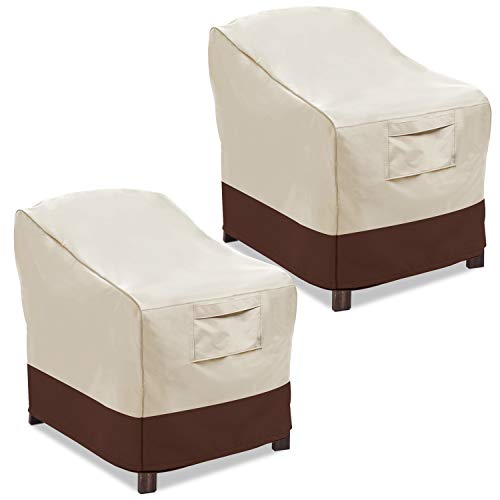
- Invest in protective covers to prolong lifespan–especially for more delicate materials.
By assessing these maintenance requirements, I can make informed choices that align with my lifestyle and desired longevity of my outdoor elements.
Setting a Budget That Meets Your Needs
I recommend beginning by determining a clear financial range for your outdoor seating and decor. List your priorities, such as comfort, aesthetics, and longevity, to guide your spending choices effectively.
Evaluating Costs and Quality
When estimating expenses, consider high-quality materials that withstand various weather conditions, as these ensure durability and reduce long-term replacement costs. Conduct research on reputable brands; their products often represent a wise investment.
Assessing Available Options
For those with limited finances, explore alternatives such as second-hand shops or clearance sales. Many premium items are available at a fraction of the original cost. Always inspect these pieces for wear and stability before purchasing.
Incorporating a flexible approach allows adjustments in design preferences without sacrificing financial goals. This balance creates an inviting space without overspending.
FAQ:
What factors should I consider when buying garden furniture?
Choosing garden furniture involves several key aspects. First, think about the material; options like wood, metal, and plastic each offer different aesthetics and maintenance needs. Next, assess the size of your garden space to ensure the furniture fits comfortably without overcrowding. Consider your style preferences, as well as the furniture’s durability and resistance to weather conditions. Lastly, think about your budget and how often you’ll be using the furniture, as these elements can influence what type of pieces will best suit your needs.
How can I ensure the longevity of my outdoor furniture?
To extend the life of your garden furniture, proper care is essential. Start by regularly cleaning your furniture to remove dirt and debris, which can cause wear. If your furniture is made of wood, consider applying a sealant to protect against moisture and sun damage. For metal pieces, ensure they are rust-resistant; you may need to repaint or touch up scratches during the season. During harsh weather, storing your furniture indoors or using protective covers can greatly reduce deterioration. Additionally, avoiding placing hot items directly on surfaces can prevent damage.
What types of garden furniture are best for small spaces?
If you have limited outdoor space, look for compact and multi-functional furniture. Folding chairs and tables are ideal since they can be stored away when not in use. Nesting tables offer versatility as they can be used independently or grouped together. Selecting benches with built-in storage can help maximize functionality. Additionally, consider lightweight furniture that can be easily moved around for different occasions, ensuring you can make the most of your small garden area.
Is it necessary to buy cushions for outdoor furniture?
While not strictly necessary, cushions can enhance comfort and add a pop of color to your outdoor space. If you choose cushions, opt for those specifically designed for outdoor use to resist moisture and fading. They should be made from durable fabrics with water-resistant properties. Additionally, consider purchasing cushion covers that can be easily removed and washed, allowing for straightforward maintenance. Depending on your local climate and how often you entertain outdoors, cushions can make a significant difference in the enjoyment of your garden furniture.
What style of garden furniture should I choose?
The style of garden furniture you select should complement the overall aesthetic of your home and garden. If your property has a modern look, consider sleek metal or minimalist designs. For a more traditional vibe, wooden furniture with classic lines may be more suitable. You can also look at themed sets, such as rustic wicker or coastal-inspired materials. To create a cohesive look, coordinate your furniture with other outdoor elements, such as planters and lighting. Ultimately, choose what you feel resonates with your tastes and enhances your outdoor experience.
What factors should I consider when choosing garden furniture?
When selecting garden furniture, there are several important factors to keep in mind. First, consider the materials; options such as wood, metal, and plastic each offer different aesthetics and durability. Weather resistance is also key, especially if you live in an area with fluctuating climates. Think about the style and design that matches your garden theme, whether it’s modern, rustic, or traditional. Size matters too; make sure the furniture fits comfortably in your space without overcrowding it. Lastly, consider functionality; do you need pieces that are easy to move, stackable, or require minimal maintenance? Balancing these aspects will help you find the right furniture for your garden.


