Caleb Turner
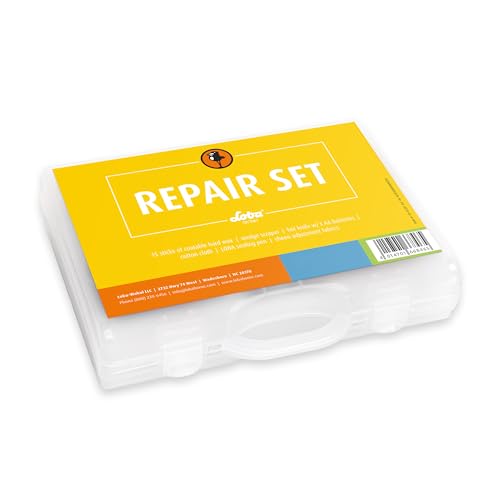
For minor scratches or chips, I recommend using a colored marker specifically designed for synthetic surfaces. Select a shade that closely matches your item, and apply it carefully to the damaged area. Allow it to dry completely before assessing if additional layers are needed.
A practical solution for larger imperfections involves the use of a filler compound. Choose a product that adheres well to artificial finishes. Lightly sand the affected area to ensure proper adhesion. Apply the filler, smoothing it to match the surrounding texture, and let it cure as per the manufacturer’s instructions.
To restore shine and protect the repaired sections, I advise using a polish formulated for synthetic materials. This not only enhances the appearance but also provides a barrier against future damage. Regular maintenance with such products helps prolong the life of your items.
Repairing Surface Damage on Veneered Items
Begin the restoration by cleaning the affected area with a gentle detergent and a soft cloth. Ensure the surface is free of dust and debris for optimal adhesion later.
Select a suitable adhesive, such as wood glue or epoxy, based on the nature of the damage. For minor scratches, consider using a furniture repair marker that matches the color of the veneer.


For deeper cracks, apply a wood filler that’s compatible with the finish. Use a putty knife to fill the gap, ensuring the filler is slightly overfilled to allow for sanding after it dries.
Once the filler is completely cured, sand the area lightly with fine-grit sandpaper until smooth and level with the surrounding surface. Wipe away any dust with a damp cloth.
Reapply the original finish by using either a spray or brush-on product that matches the existing sheen. Layering the finish may be necessary for an even appearance.
Allow sufficient drying time after every application. Once completely dry, assess the repair, and conduct touch-ups if needed. Regular maintenance, such as polishing, will enhance the longevity of the restoration.
Identifying the Type of Damage on Laminate Surfaces
First, assess the nature of the damage. This can be categorized into scratches, chips, discoloration, or peeling. Each type requires different approaches for repair.
| Type of Damage | Description | Identification Method |
|---|---|---|
| Scratches | Shallow or deep marks on the surface. | Run your finger over the area to feel for unevenness. |
| Chips | Missing pieces of the top layer exposing underlying material. | Look for gaps where the surface has broken away. |
| Discoloration | Fading or stains affecting the color. | Compare with unaffected areas to spot differences. |
| Peeling | Edges lifting or coming away from the base. | Check if any corners or sections are loosely adhered. |
Once identified, knowing the type of damage makes it easier to select the appropriate repair method and materials. This step is crucial for achieving the best results in restoration efforts.
Gathering Necessary Tools and Materials for Patching
I recommend collecting the following items before addressing any imperfections. You will need a utility knife to shape the repair pieces accurately. A putty knife is essential for applying the repair substance smoothly. Ensure you have sandpaper, preferably 220 grit, for surface preparation.
For adhesive, a good quality craft glue or a specialized repair adhesive specifically designed for artificial surfaces will work well. If the blemish is substantial, consider using a filler compound to create a more solid base. Make sure to choose a color that closely matches your surface.
A clean cloth is necessary to remove any dust or debris prior to application. Additionally, having a small paintbrush on hand can help with detailed applications and touch-ups. Lastly, consider using clear sealant, which can provide protection to the repaired area and enhance durability.
Gather these tools and materials to ensure a smooth and effective repair process. With everything organized, I can proceed with confidence in restoring the appearance and functionality of my surfaces.
Preparing the Damaged Area for Repair
First, clean the affected surface thoroughly. Use a damp cloth and mild detergent to remove dirt and grease. Allow it to dry completely before proceeding. This step ensures that any adhesives or fillers adhere properly.
Next, assess the extent of the damage. If there are any loose or uneven edges, gently sand them down using fine-grit sandpaper. This creates a smooth transition between the damaged area and the surrounding surface. Be careful not to damage the undamaged parts.
Removing Loose Pieces
If there are any loose fragments, carefully remove them with a utility knife. Ensure you do not cause additional harm to the surrounding area. This allows for a clean surface to work with during the repair process.
Preparing for Filler Application
If the damage includes deep scratches or gouges, fill these imperfections with a suitable filler. Apply it evenly using a putty knife, pressing it into the damaged area. Smooth it out to be level with the surrounding surface. Allow it to cure as per the manufacturer’s instructions.
Once the filler is dry, lightly sand the area again to achieve a seamless finish. This preparation sets the stage for a successful restoration, making the final outcome more visually appealing and durable.
Applying Patching Compound to Laminate Furniture
Before application, ensure the compound matches the color and texture of the surface. I usually test it in an inconspicuous area first. Here’s a step-by-step approach to applying the compound:
- Gather the materials: spatula, patching compound, and a damp cloth. Ensure the compound is well-mixed and reaches a smooth consistency.
- Using the spatula, scoop a small amount of the compound. Apply it directly into the damaged area, pressing down firmly.
- Spread the compound evenly, allowing it to extend slightly beyond the damaged edges. I aim for a thin layer at first to manage the blend.
- For deeper scratches or gouges, repeat the process, applying several thin layers until the area is level with the surrounding surface. Let each layer dry completely as per the product’s instructions.
- After the final layer dries, I gently sand the area with fine-grit sandpaper to achieve a smooth finish. This step is crucial to avoid visibility of the repair.
- Wipe away any dust with a damp cloth to prepare for drying.
- If needed, apply a top-coat or sealer to enhance durability and match the sheen of the original finish.
Regularly check the consistency during application to maintain an even look. Adapt your technique based on the specific challenge presented by the damage, ensuring the end result blends seamlessly with the surrounding material.
Finishing Touches: Sanding and Painting the Repaired Area
Begin by allowing the compound to fully cure, following manufacturer instructions. I use a fine-grit sandpaper, usually around 220-grit, to lightly smooth the repaired section. Sand gently, ensuring I blend the edges seamlessly with the surrounding surface. Regularly check the area, wiping away any dust, until it feels uniform.
Once satisfied with the smoothness, I choose a paint or finish that closely matches the original color. If a specific color is needed but unavailable, I create a blend to achieve the desired shade. Testing on a scrap piece or in an inconspicuous area helps ensure accuracy. I apply the paint using a small brush or roller, layering lightly for even coverage, and I let each coat dry completely before adding another.
After achieving the desired color depth, I apply a clear sealer or topcoat for durability. This protects the repaired area and enhances its appearance. Finally, allowing the final coat to cure guarantees longevity, making my repair virtually undetectable.
Maintaining Patched Areas for Longevity
To ensure durability of restored sections, I focus on regular cleaning and protective measures. I recommend using a soft, damp cloth to gently wipe the repaired areas, avoiding harsh chemicals that could degrade the integrity of the material.
Here are specific actions I take to maintain the integrity:
- Apply a coat of furniture wax every few months to provide a protective barrier against moisture and daily wear.
- Avoid placing heavy objects directly on the repaired spots, distributing weight evenly across the surface.
- Keep the repaired areas out of direct sunlight to prevent fading and loosening of any sealants.
- Monitor for any signs of wear or damage, addressing small issues before they escalate. I often inspect every few weeks, looking for shifts in color or texture.
For quick touch-ups, I keep a small amount of touch-up paint or filler handy. This allows me to address minor flaws immediately, maintaining a cohesive look.
Regular maintenance not only preserves the aesthetics but also prolongs the life of these surfaces, allowing me to enjoy them for years to come.
FAQ:
What materials do I need to patch laminate furniture?
To patch laminate furniture, you will need some essential materials. First, gather a laminate repair kit, which usually contains a filler paste and laminate sheets. You may also need a putty knife for applying the filler, sandpaper to smooth the patched area, and a clean cloth for wiping any excess filler. Additionally, consider using a heat source, like an iron, if your repair kit includes self-adhesive patches that require activation. Having clear adhesive or super glue on hand can be beneficial for securing loose edges as well.
Can I use regular glue instead of a specific laminate adhesive for repairs?
Using regular glue may not provide the best results when patching laminate furniture. Laminate materials are designed to be bonded with specific adhesives that accommodate their unique properties. Regular glue might not adhere properly or could damage the laminate surface. It is recommended to opt for laminating adhesive or a repair kit that specifies its compatibility with laminate surfaces. This ensures a more durable and seamless repair.
How do I repair scratches on laminate furniture?
To repair scratches on laminate furniture, start by cleaning the area with a mild soap solution to remove any dirt or grease. Once clean, assess the depth of the scratch. For shallow scratches, you can use a wood furniture marker or a laminate repair pen that closely matches the furniture color. Simply run the marker over the scratch, and wipe away any excess. For deeper scratches, applying a filler paste from a laminate repair kit may be necessary. After it dries, sand it gently to create a smooth finish. Finally, you can polish the area to restore its shine.
How can I prevent further damage after patching my laminate furniture?
To prevent further damage after patching your laminate furniture, there are several steps you can take. First, avoid placing hot items directly on the surface; using coasters can help. Secondly, ensure that you are cleaning the laminate properly by using only gentle cleaners and a soft cloth. Additionally, consider applying a protective finish or sealant that is suitable for laminate surfaces. This can help protect against scratches and stains. Finally, be mindful of heavy objects and avoid placing them on areas that have been repaired to minimize stress on the patched region.
Is it possible to change the color of patched laminate furniture?
Yes, it is possible to change the color of patched laminate furniture. After successfully repairing any damage, consider painting the laminate with a specially formulated paint for laminate surfaces. Make sure to properly prepare the surface by cleaning it and lightly sanding it if necessary. This allows the new paint to adhere better. Depending on your desired effect, you might want to use a primer before painting. Just keep in mind that changing the color will alter the original look of the furniture, so choose a color that complements your space.
What are the common types of damage to laminate furniture that need patching?
Laminate furniture can suffer from various types of damage, often due to everyday wear and tear. Common issues include scratches from sharp objects, dents from heavy items, and chips at the edges from impacts. Water damage can also occur if spills are not cleaned promptly, leading to bubbling or peeling of the laminate. In some cases, fading or discoloration can happen due to exposure to sunlight. Each type of damage requires a different approach for patching, so it’s important to identify the specific issue before proceeding with repairs.
What materials and tools do I need to patch laminate furniture?
To successfully patch laminate furniture, gather a few essential materials and tools. You will need laminate repair paste or a wood filler suitable for laminate surfaces, fine-grit sandpaper, and a putty knife for applying the filler. Additionally, have a clean cloth on hand for wiping down the area before starting the repair. For color matching, consider having markers or paint in the correct shade of laminate available, as this can be useful for touch-ups after the main repair. Depending on the extent of the damage, a clamp may also help hold sections together while the filler dries.