
 Caleb Turner

The right surface preparation is key. I ensure that I clean the item thoroughly using a wire brush or sandpaper to remove rust and old coatings. After this, I wash the metal with soap and water, followed by a rinse to eliminate any residue. Allowing it to dry completely is crucial before proceeding to the next step.
Selecting high-quality coating specifically designed for outdoor conditions is essential for durability. I opt for an enamel-based product that adheres well to metal. When I begin applying the coating, I use smooth, even strokes that follow the natural lines of the piece. This prevents drips and streaks, giving the surface a refined finish.
I always remember to apply multiple thin layers rather than a single thick one. Each coat should dry fully before adding the next. This method enhances the longevity of the finish and helps achieve a professional appearance. Using a small brush for intricate areas ensures that I achieve precision, while a larger one is perfect for broader sections.


Applying Coating to Decorative Metal Items
Select a high-quality epoxy or alkyd-based solution for optimal adhesion and durability. Make sure to clean the surface thoroughly, removing any rust, dirt, or grease. Use a wire brush or sandpaper for stubborn areas. Rinse off dust and allow it to dry completely before the application.
Before starting, lay down a drop cloth or plastic sheeting to protect your workspace. I personally prefer working outdoors or in a well-ventilated area to minimize inhalation of fumes. Dip your finer tool into the paint, and start applying it to intricate designs, making sure to flow gently along the curves and intricate patterns. For hard-to-reach places, use a smaller applicator.
Layering and Drying
Apply the first layer evenly, then let it cure as recommended by the manufacturer. Generally, a few hours should suffice. For longevity, I recommend adding a second coat. Ensure the first layer is completely dry before this step. Sand lightly between layers if necessary to promote adhesion.
Final Touches
For added protection, a clear sealer can be beneficial after completing the coloring. This shields the surface from weathering and extends the lifespan of the finish. Inspect for any missed spots or imperfections after drying and touch up as needed.
Selecting the Right Type of Paint for Wrought Iron
For optimal results, I recommend using a high-quality oil-based or enamel formulation. These types offer superior durability and rust resistance compared to water-based alternatives. Oil-based formulas adhere better to metal surfaces, providing a more robust finish.
- Rust-Preventive Features: Look for paints specifically labeled as rust-inhibitive. Such options are designed to protect against corrosion.
- Finish Type: Choose between glossy and matte finishes based on aesthetic preference. Glossy options are easier to clean, while matte provides a more understated look.
- Drying Time: Consider a formulation’s drying time; quick-drying options can expedite your project, but ensure they allow for proper application without rushing.
For outdoor usage, selecting a UV-resistant kind is crucial. This helps maintain color integrity and prevents fading under sunlight. Brands may differ, so consulting reviews and product specifications is wise prior to purchasing.
Lastly, do not overlook the importance of selecting complementary hues that enhance the existing surroundings and personal style, allowing the piece to stand out while maintaining harmony within the space.
Preparing the Surface: Cleaning and Rust Removal
I always begin surface preparation by thoroughly cleaning the metal to remove dirt, grime, and old finishes. A mixture of warm water and mild detergent applied with a non-abrasive sponge works effectively. After scrubbing, rinsing with clean water is essential to eliminate any soap residue.
For rust removal, I utilize a wire brush or a power sander with coarse sandpaper to tackle significant rust spots. It’s crucial to focus on areas showing flaking or corrosion. Afterward, I switch to finer sandpaper or a sanding sponge to smooth the surface. This step ensures optimal adhesion for the covering layer.
If rust is particularly stubborn, applying a rust remover product can be beneficial. I follow the manufacturer’s instructions, ensuring proper ventilation and safety precautions. After treatment, rinsing thoroughly and allowing the item to dry completely is vital before proceeding.
Once the metal is clean and free of rust, I inspect the surface for any imperfections, such as dents or scratches. Filling these with a suitable metal filler, then sanding them smooth, prepares the area for an even application of the finishing layer. This attention to detail will enhance the final appearance and longevity of the surface restoration.
Choosing the Appropriate Brush for the Job
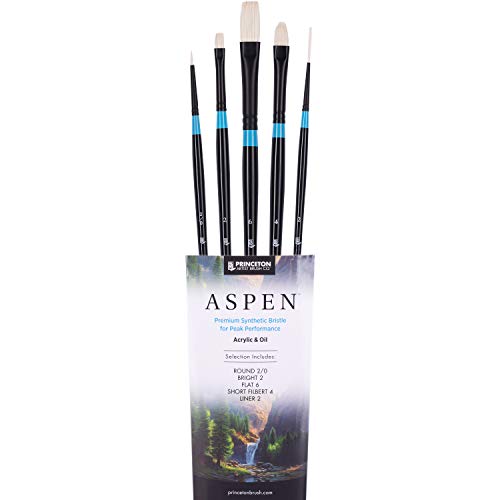
A synthetic bristle brush is my go-to for smooth surfaces, as it effectively distributes liquid and provides an even coating. For detailed work, especially on intricate designs, I opt for a smaller brush, like a round or angled one, which offers precision and control. On the other hand, for larger areas, a wider flat brush speeds up the process significantly.
If I’m dealing with textured surfaces, a brush with thicker bristles helps to reach all the nooks and crannies, ensuring complete coverage. Natural bristles can be useful too, especially for oil-based solutions, as they hold more liquid, but they may flatten over time. Therefore, I regularly assess the condition of my tools to ensure optimal performance.
Consider the length of the handle as well. A longer handle provides leverage and reach, which is particularly useful for overhead sections or when I’m working from a distance. Choosing the right size allows better maneuverability, which makes the entire task smoother.
Lastly, ensure that I clean my brushes thoroughly after each use. Proper maintenance extends their lifespan and keeps them ready for the next project. A well-chosen and maintained brush can transform the outcome of my work significantly.
Applying Primer for Better Adhesion
Before applying any final coat, I recommend using a quality primer specifically formulated for metal surfaces. This step significantly enhances the bond between the surface and the top layer.
Choosing the Right Primer
- Select a rust-inhibiting primer to prevent corrosion in the future.
- Look for a product designed to be compatible with your chosen color layer, as this can affect final appearance.
Application Tips
- Ensure the surface is clean and dry before applying the primer.
- Use even strokes to apply the primer, ensuring complete coverage without pooling.
- Allow adequate drying time as per the manufacturer’s instructions before proceeding with the top coat.
By following these guidelines, I enhance the durability and longevity of the finish, ensuring my metal pieces maintain their pristine look over time.
Techniques for Evenly Applying Paint
I recommend using long, smooth strokes to ensure an even distribution of the coating. Start at one end and work your way to the other, overlapping your strokes slightly to minimize any visible lines or missed spots.
Maintaining a Consistent Angle
Keeping the angle of the applicator consistent while working is critical. This helps to avoid thick patches or uneven layers. Adjust the pressure exerted on the handle to regulate the amount of material being released.
Using Thin Coats
Applying multiple thin layers rather than a single thick one is beneficial. This approach allows each layer to dry uniformly and helps prevent drips and runs. Wait for each coat to cure as per the manufacturer’s instructions before applying the next.
For intricate designs, I choose smaller tools to access tight spaces without compromising the overall finish. Don’t forget to inspect your work closely as it dries; addressing any imperfections while wet can save time and effort later on.
Incorporate a light sanding between layers to promote better adhesion and an incredibly smooth surface. A fine-grit paper will help achieve this without damaging the underlying finish.
Lastly, be aware of your environmental conditions. High humidity or rapidly changing temperatures can affect the application process. Choose a calm day for optimal results, ensuring that airflow is minimal to avoid dust contamination while still allowing some ventilation for drying.
Drying Time and Conditions for Optimal Results
Ensure the environment is well-ventilated: open windows or use fans to promote airflow. Aim for a temperature range of 65°F to 85°F (18°C to 29°C) for the best drying conditions. Higher humidity levels can prolong drying times, so avoid painting in damp conditions.
Drying Times
Typically, allow about 1 to 2 hours for the first coat to touch dry. However, for thorough curing, wait at least 24 hours before applying a second layer. Different coatings may have varying drying times, so always consult the manufacturer’s guidelines.
Avoiding Common Pitfalls
Avoid direct sunlight during the drying process, as excessive heat can create a tacky finish. If possible, choose early morning or late afternoon for application. For areas prone to dust or debris, cover the piece with a cloth or plastic sheeting to protect the finish until it is fully cured.
Maintenance Tips for Long-Lasting Finish
Regular cleaning prevents dirt buildup and extends the life of the finish. Use a soft cloth or sponge and mild soap to gently wipe surfaces. Avoid harsh chemicals that can damage the coating.
Inspection and Touch-Ups
Every few months, inspect for scratches or chips. Touching up these areas quickly maintains a uniform appearance and protects against rust. Use the same product applied during the initial application for consistency.
Storage Recommendations
If possible, store items indoors during inclement weather. If outdoor storage is necessary, consider using a breathable cover to shield against moisture while allowing air circulation. This minimizes the risk of mold or mildew formation.
| Action | Frequency |
|---|---|
| Cleaning | Monthly |
| Inspection | Every 3 months |
| Touch-ups | As needed |
| Storage checks | Before harsh weather |
By adhering to these practices, the longevity of the finish significantly improves, ensuring that the beauty and integrity of the pieces remain intact for years.


