Caleb Turner

Choosing a high-quality base is vital. I recommend starting with a suitable primer; this prepares the surface and enhances adhesion. Opt for a water-based option to reduce drying times and avoid strong odors.
For a convincing appearance, layering is key. Using a combination of different shades replicates the nuances found in natural materials. A light-colored undercoat followed by a darker top coat creates depth and realism. Don’t forget to apply a clear topcoat to protect your work; it preserves the finish while adding a subtle sheen.
Utilizing specialized tools can make a significant difference. A good brush and sponge help create texture and grain patterns. Experimenting with techniques like dry brushing or rag rolling allows for personalized results that truly stand out.
Patience during the drying process can’t be overstated. Let each layer fully cure before applying the next, ensuring the final product is durable and attractive. Allowing proper drying can also mitigate potential peeling or chipping later on.


The finishing touches are where true artistry shines. Applying a stain can enhance the effect, adding richness and depth that lifelike materials typically exhibit. Experimenting with different stains can yield unique outcomes, so don’t hesitate to test a few before committing.
Application Techniques for Realistic Finish
For a lifelike appearance, I mix a base coat of acrylic or chalk formulation with the right hue to resemble the natural hue of timber. Choosing a color that aligns with the intended result is key. I apply the base with a foam roller for a smooth consistency, ensuring minimal texture.
Creating Grain Patterns
To reproduce realistic grains, I utilize a fine-bristled brush or a palette knife for intricate details. After the base has dried, I carefully blend a darker tone into the crevices, following the natural wood grain direction. This layering process adds depth and dimension.
Finishing Touches
Sealing the surface with a clear topcoat enhances durability and mimics the sheen found in authentic timber. A matte or satin finish offers an organic feel, while a glossy seal gives a polished look. I often opt for water-based sealers for easy application and quick drying.
Selecting the Right Type of Paint for Wood Finishes
I choose acrylic latex or water-based solutions for their ease of use and quick drying time. These options provide excellent adhesion and flexibility, making them ideal for transforming surfaces while minimizing the risk of cracking or peeling.
Durability and Sheen
I pay attention to durability by selecting formulations that are resistant to scratches and stains. For a polished look, I opt for semi-gloss or satin finishes, as they help enhance the detail of the grain while being easy to clean.
Color and Tinting
<p Feeling adventurous, I explore various shades and may consider custom tinting. The tone sets the mood and complements the surrounding decor, so I experiment with samples before committing to a specific color for ensuring it meets my vision.
Preparing Your Furniture Surface for Painting
Thoroughly clean the surface to remove dust, grease, and dirt. A mixture of warm water and mild detergent works effectively. Use a soft cloth or sponge, ensuring every corner is addressed.
If the surface has a glossy finish, sanding is necessary. I prefer using fine-grit sandpaper to create a texture that allows for better adhesion of the new layer. Focus on scuffing the area evenly without removing too much material.
Repairing Imperfections
Inspect for dents, scratches, or gouges. Fill any holes with wood filler, allowing it to cure as per the manufacturer’s instructions. Once set, sand these areas smooth for an even finish.
Priming for Best Results
Apply a primer suitable for the original surface material. This step adds an additional barrier, ensuring better coverage and enhancing the final appearance. Choose a primer that dries quickly to proceed efficiently.
Always inspect the surface once more after priming. This final check helps eliminate any imperfections before adding the top layers.
Choosing the Right Brushes and Tools for a Professional Finish
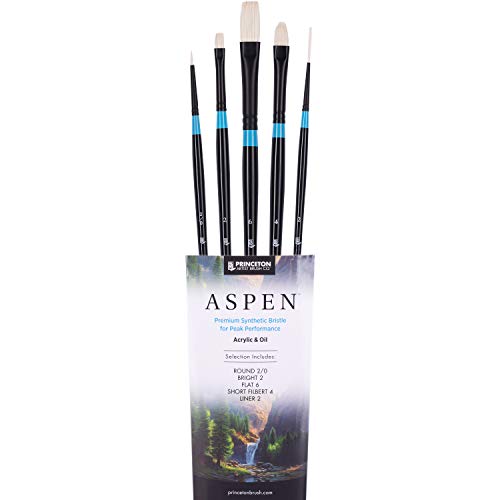
To achieve a flawless appearance, I prioritize the choice of brushes and tools. Synthetic bristle brushes are my go-to for a smooth application, especially for water-based coatings. They offer a fine finish without leaving streaks. For textured surfaces, I opt for a foam roller, as it provides uniform coverage and minimizes visible brush strokes.
Brush Selection Guide
| Type of Brush | Best Use |
|---|---|
| Synthetic Bristle Brush | Ideal for smooth finishes and water-based products. |
| Natural Bristle Brush | Best for oil-based solutions; gives a softer application. |
| Foam Roller | Perfect for large areas to provide a smooth coat without brush marks. |
| Detail Brush | Great for intricate designs and touch-ups. |
A proper brush cleaner helps maintain my tools, ensuring they last longer and perform at their best. I use a brush comb to remove dried material and keep bristles in shape. When working on corners or edges, a small angled brush is invaluable for precision.
Additional Tools
In addition to brushes, I find certain tools enhance my process. A paint tray allows for easy loading of brushes and rollers, while painter’s tape is crucial in creating clean lines and protecting surfaces from unwanted coverage. A good drop cloth prevents mess and makes cleanup easier after the project.
Investing in quality tools pays off in the final result. Careful selection and maintenance of brushes and accessories lead to a professional outcome, elevating the piece to a higher standard.
Applying Base Coat: Techniques for Even Coverage
To achieve flawless results, I ensure the application of a well-prepared base layer is my first priority. The key is to apply thin, even layers using a high-quality brush or roller, which helps eliminate brush marks and uneven surfaces.
Load the Brush or Roller Correctly
When loading the applicator, dip it into the base coat, allowing excess to drip off. This prevents pooling and helps maintain consistent application across the surface. If using a brush, I lightly tap it against the inside of the can to remove any excess, ensuring a smooth flow while working.
Work in Small Sections
I find it most effective to tackle small areas at a time. Starting at one corner, I apply the coating with long, even strokes, making sure to blend each section seamlessly with the next. This technique minimizes the likelihood of streaks and maintains uniformity. Keeping a wet edge is crucial; I always try to overlap my strokes slightly to avoid lines.
To further improve coverage, I sometimes use a foam roller for larger surfaces. This helps in achieving a consistent texture and reduces the risk of brush strokes. After the initial layer dries, I lightly sand it with fine-grit sandpaper to promote adhesion of the next coat while smoothing out imperfections.
Finally, I always check the coverage after drying. If any spots appear uneven or thin, I apply an additional coat, repeating the same meticulous technique for optimal results.
Creating Wood Grain Effects: Techniques and Tips
For a realistic grain appearance, use a glazing technique. I combine a transparent color with a glazing medium, applying it over the base layer. This thin mixture allows the underlying color to show through, creating depth. Utilize a natural sponge or a soft cloth to dab and blend the glaze, mimicking organic variations found in real timber.
Using Brushes for Detailed Texture
A fine-tipped brush can be invaluable. I select one with stiff bristles to create the grain pattern. By dragging the brush in varied directions, I replicate the natural inconsistencies of wood. A fan brush is another useful tool for larger areas, offering a softer, more feathered effect that resembles knots and lines.
Experimenting with Color Layers
Layering shades enhances realism. I often start with a light base, adding darker or contrasting hues as top coats. Each additional layer should be thinned down to allow some of the base color to show through. By mixing paints to achieve a customized palette, I can accurately emulate the desired species of timber.
Sealing and Protecting Your Painted Wood Effect
To ensure longevity and durability of your transformation, I use a clear sealant as the final step. This layer not only enhances the appearance but also safeguards against scratches and spills.
Consider these options for sealing:
- Polyurethane: I prefer water-based forms for quicker drying times and minimal odor. They provide excellent protection against moisture.
- Topcoat: A water-resistant topcoat enhances the finish, suitable for high-use surfaces.
- Varnish: This adds a gloss or satin finish, depending on the aesthetic I’m aiming for.
Application is straightforward:
- Ensure the paint is fully dry before sealing.
- Lightly sand the surface with fine-grit paper to promote adhesion.
- Use a high-quality brush or foam applicator for an even layer.
- Apply multiple coats, allowing adequate drying time between each.
For added protection, I often include an annual refresh of the sealant, especially for frequently used items. This upkeep maintains the original artistry and prolongs the appeal of the surface.
Common Mistakes to Avoid When Refinishing Wooden Surfaces
One major oversight is skipping the sanding process. It’s crucial to properly sand the surface before applying any coating. This ensures better adherence and a smoother finish. Using a coarse grit initially followed by a finer grit improves the outcome significantly.
Another frequent error is neglecting to clean the surface thoroughly after sanding. Dust and debris can compromise the finish quality. Wipe the surface with a damp cloth to remove any particles before moving to the next step.
Applying too thick a layer can lead to drips and uneven textures. Instead, I prefer several thin applications, allowing each coat to dry completely before adding the next. This method promotes an even finish and reduces the risk of imperfections.
Choosing the Wrong Tools
Using inferior brushes or rollers can result in poor application and unsatisfactory results. I always opt for high-quality brushes designed for the specific type of material I am working with. A good brush can make all the difference in achieving a professional appearance.
Additionally, overlooking the need for proper ventilation while applying the finish can lead to issues with drying and unpleasant odors. Ensuring good airflow contributes to a smoother application process and a healthier workspace.
Ignoring the Final Touches
Many tend to forget the sealing phase. Skipping this step leaves the surface vulnerable to scratches and stains. A suitable sealer not only enhances durability but also preserves the aesthetic appeal for a longer period.
Finally, I often notice a lack of patience in waiting for full curing time. Each finish has its own drying and curing requirements. Rushing this process may lead to damage, compromising all prior efforts. Adequate time is necessary for optimal protection and look.
Maintenance Tips for Long-Lasting Painted Furniture
Regular cleaning is crucial to preserve the appearance of my transformed pieces. I use a soft, damp cloth for routine dusting, avoiding abrasive materials that can scratch the surface.
To remove stubborn stains, I mix mild soap with water. Gently wiping with this solution prevents damage while ensuring cleanliness.
Applying a protective wax or sealant can significantly enhance durability. I reapply this every six months to shield against wear and tear, thus extending the lifespan of my creations.
Humidity can impact the integrity of painted surfaces. I maintain a stable environment, using a dehumidifier if necessary, especially in areas with high moisture levels.
If I notice any chips or scratches, I address them promptly. Sanding the affected area lightly and applying touch-up paint allows for seamless repairs, keeping the piece looking fresh.
When moving these items, I lift rather than drag them. This simple practice prevents unnecessary damage and helps maintain their pristine condition.
- Consider using coasters to protect from heat and moisture.
- Avoid placing items in direct sunlight to prevent fading.
- Invest in felt pads under items to minimize scratches.
By following these steps, I ensure that my beautifully altered items continue to impress for years to come.