
 Caleb Turner
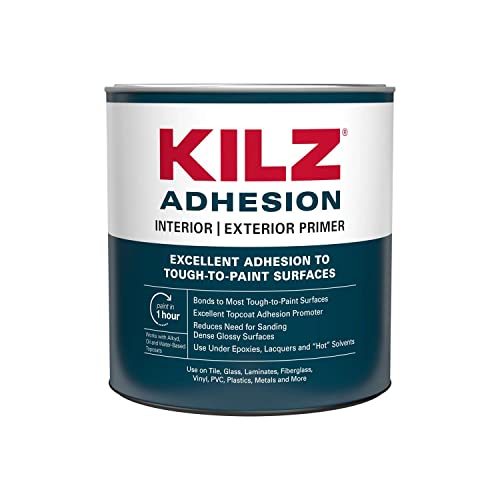
First, gather your supplies: a high-quality primer specifically designed for adhesion on slick surfaces, a foam roller for a smooth finish, and a non-toxic acrylic topcoat. This approach will allow you to achieve an elegant, dark hue without the hassle of abrasion.
Before getting started, ensure the surfaces are cleaned thoroughly. A simple mixture of water and mild soap can rid the items of any grease or dust. Once dried, apply the primer using the roller, covering all areas evenly, and allow it to dry completely according to the manufacturer’s instructions.


After priming, it’s time to apply the topcoat. Choose a shade that suits your taste, and apply it using the same roller for consistency. Multiple thin layers will yield a richer color and greater durability compared to one thick layer. Patience is key–let each coat dry fully before applying the next.
Application of Dark Finish on Non-Sanded Surfaces
I recommend starting with a good-quality primer that adheres well to surfaces without the need for roughening. Choose a bonding primer designed specifically for glossy or slick finishes. This will create a strong foundation for your chosen hue.
Next, opt for an acrylic or latex-based product in a deep shade that complements your desired aesthetic. These formulations are typically more forgiving and provide a smooth application, even on less-than-ideal surfaces.
Technique and Tools
Using a foam roller or a high-density applicator can result in a more uniform finish. Begin by lightly applying the product in thin layers, ensuring even coverage. After each coat, allow adequate drying time; this prevents uneven texture and enhances adhesion.
Final Touches
Once the initial application has dried, evaluate the depth of color. If necessary, apply an additional coat for richer tones. For durability, consider a clear sealant as a final layer, which protects against wear and extends longevity.
I’ve found that patience and careful application lead to impressive transformations, so take your time to achieve the look you desire.
Choosing the Right Type of Paint for Wood
For achieving a deep, rich finish on timber surfaces, I recommend using acrylic urethane or chalk paint. These types provide excellent coverage, durability, and adhere well to previously finished surfaces.
Acrylic Urethane
Acrylic urethane is water-based, making it easy to clean up with soap and water. This option dries quickly, allowing for multiple coats in a single day. Its strong finish is resistant to scratches and stains, making it ideal for high-traffic areas.
Chalk Paint
Chalk paint offers a matte finish and requires minimal prep work, perfect for creating a rustic or antique appearance. It adheres well to most surfaces, and a sealant or topcoat can enhance its durability. This type is especially popular for projects that aim for a distressed look, as it can be easily sanded or waxed after application.
Preparing the Furniture Surface for Painting
Thoroughly clean the item to ensure a smooth application. Use a mixture of warm water and mild detergent, wiping down every crevice to remove dust and grease. A microfiber cloth works best for this task, as it traps particles effectively.
Next, allow ample time for drying to avoid moisture interference with the coating. I often let it air-dry for a minimum of an hour, depending on the environmental conditions.
Inspecting for Imperfections
Check the surface for scratches, dents, or other flaws. If any are present, use a high-quality filler to repair these areas. After applying the filler, allow it to cure as per the manufacturer’s instructions before proceeding. This reduces the chances of imperfections showing through the final layer.
Sealing the Surface
Consider applying a primer suited for your specific needs. A bonding primer is particularly advantageous, as it adheres well and prepares the surface effectively for subsequent layers. Ensure you apply it evenly, following the manufacturer’s guidelines for optimal results. After priming, inspect the work again; a smooth base enhances the final appearance.
| Step | Action | Details |
|---|---|---|
| 1 | Clean | Use warm, soapy water and a microfiber cloth. |
| 2 | Dry | Allow at least one hour for thorough drying. |
| 3 | Inspect | Look for imperfections and address them with filler. |
| 4 | Prime | Apply an appropriate bonding primer evenly. |
Using Primer to Enhance Paint Adhesion
Applying a primer is crucial for ensuring that your new finish adheres properly to the surface in question. This step significantly improves the bond between the existing layer and the new coat, especially when working with non-porous or glossy finishes.
Selecting the Right Primer
Choose a high-quality bonding primer designed for slick surfaces. Look for options labeled as “stain-blocking” or “adhesion-promoting.” These formulas are designed to grip better and provide a solid foundation for any subsequent layers.
- Check that the primer is suitable for the specific type of material you’re treating.
- Consider water-based primers for easy cleanup and low odor.
- Oil-based primers often provide excellent adhesion but require mineral spirits for cleanup.
Application Techniques
Follow these steps for primer application:
- Clean the surface thoroughly to remove dirt and grease.
- Apply the primer with a brush or roller, ensuring an even coat.
- Allow adequate drying time as per the manufacturer’s instructions.
- Lightly sand the primer once dry to enhance smoothness and adhesion before applying your chosen finish.
This method maximizes the longevity and durability of your new layer, leading to a more professional and refined result. The time spent choosing and applying the right primer pays off through enhanced aesthetics and wear resistance.
Applying Paint with the Correct Technique
I recommend using a high-quality brush or foam applicator for an even coat. Foam brushes work well for achieving a smooth finish, while traditional brushes can reach into crevices effectively. Hold the tool at a 45-degree angle to control the flow of the medium, avoiding drips.
Work in small sections, applying the material in long, even strokes. This method helps prevent streaking and promotes a uniform look. Be mindful of the drying time; applying subsequent layers too soon may lead to smudging. Aim for thin layers, allowing each application to dry completely before adding the next.
If you encounter bubbles, lightly sand them with fine-grit sandpaper once dry, then reapply a thin layer to achieve a seamless surface. Use masking tape to protect areas that shouldn’t get coated, which helps maintain clean lines.
After the final layer, allow ample time for curing. This phase is crucial, as the finish becomes more durable with time, resulting in a longer-lasting outcome. Be patient during this process; rushing can compromise the overall quality.
Sealing the Finish for Longevity
To ensure the longevity of your work, I recommend applying a top coat designed for durability. Choose a clear polyurethane or a polycrylic sealer, which provides a tough protective layer. These products dry clear and don’t alter the existing color, allowing the original look to shine through.
Before application, ensure the surface of your project is completely dry and free from dust. Use a clean, lint-free cloth to wipe away any particles. Apply the sealer using a high-quality synthetic brush or a foam applicator, as both allow for a smooth and even application.
It’s essential to follow the manufacturer’s directions regarding the number of coats and drying times. Typically, two to three coats enhance protection significantly, especially for surfaces subject to wear and tear. Lightly sand between coats with fine-grit sandpaper to promote adhesion and remove any imperfections.
Once the final coat is applied, allow it ample time to cure fully before placing objects on the surface or using it in any way. This can take several days, depending on the humidity and temperature in your space. By sealing your project effectively, you will ensure that it remains in excellent condition for years to come.
Tips for Achieving an Even Finish
For consistent coverage, I opt for a high-density foam roller. This ensures that the product glides smoothly across each surface, minimizing brush marks. I keep a quality angled brush handy to tackle corners and detailed areas that the roller can’t reach effectively.
I always apply thin coats. Rushing with thicker layers leads to drips and an uneven texture. After the first layer dries, I lightly inspect the surface for imperfections and sand them with fine-grit paper, only if necessary for smoothness, avoiding complete removal of the original finish.
Maintaining a consistent technique is key. I recommend using straight, overlapping strokes. This method helps in blending areas seamlessly, creating a uniform appearance throughout. Following the grain direction aids in further disguising any minor flaws.
Temperature also plays a role; ensuring a comfortable working environment helps the substance adhere properly. I find that painting in warmer conditions fast-tracks drying time and lowers the chance of environmental dust settling on wet surfaces.
Lastly, patience is my ally. Giving ample drying time between coats allows me to evaluate the finish without rushing, preventing unwanted blemishes. This methodical approach guarantees a polished final product that looks professionally done.
Caring for Your Newly Painted Furniture
To maintain the beauty of your recently coated items, I recommend regular dusting with a soft, lint-free cloth. This practice prevents dust buildup and preserves the smooth finish.
Cleaning Routine
- Use a damp cloth for deeper cleaning. Avoid harsh chemicals.
- For stains, try a gentle soap solution. Rinse well and dry immediately.
Protective Measures
- Place coasters under drinks to prevent moisture ring formation.
- Consider using felt pads under decorative items to avoid scratches.
- Avoid exposing to direct sunlight for prolonged periods to prevent fading.
Periodically, I check for any signs of wear. If I notice scuffs or scratches, I gently touch them up with the same color formulation. This helps maintain a uniform look without needing extensive repairs.
Lastly, I ensure that the environment remains stable. Fluctuations in temperature and humidity can affect the finish, so I keep items in a controlled space whenever possible.


