
 Caleb Turner

First, ensure the surface is clean and dry before proceeding. Use a mixture of mild soap and water to thoroughly wash the pieces, removing any dirt or mold that may have accumulated over time. A soft brush can help with crevices. Rinse well and allow to dry completely, as moisture can interfere with adhesion.
Next, it’s crucial to select the appropriate product for your project. I recommend using high-quality outdoor stain or protective finish specifically designed for exterior surfaces. These options help protect against weather elements and maintain the natural beauty of the substrate.
Before application, lightly sand areas that show signs of wear. This step promotes better adherence of the coating while smoothing out any rough patches. Always sand along the grain, and use a fine-grit sandpaper for optimal results. After sanding, wipe everything down with a damp cloth to remove fine dust particles.


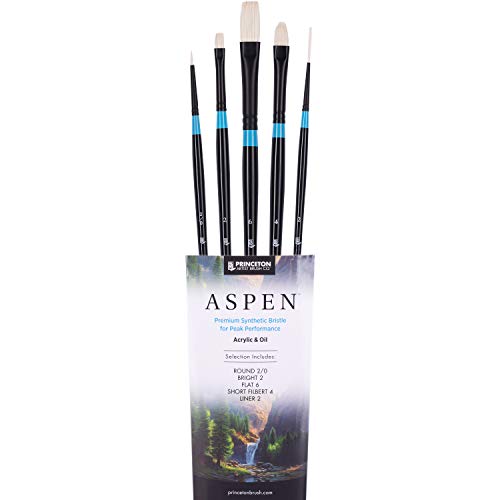
When applying the finish, use a natural bristle brush or a foam applicator. Start at one end and work your way across, maintaining a wet edge to prevent streaks. Apply thin, even coats, allowing adequate drying time between layers as specified by the manufacturer’s instructions. Two to three coats are usually sufficient for maximum protection and longevity.
Finally, once the last coat has cured, consider applying a protective sealant to extend the life of your restoration efforts. Regular maintenance will keep your outdoor seating looking pristine while offering the durability needed to withstand harsh conditions.
Application Techniques for Finishing
For optimal results, ensure the surface is clean and dry before applying your chosen hue. I prefer using a high-quality brush rather than a roller for precise application, especially around intricate designs. Work in thin layers; it’s better to apply multiple coats than to create drips or uneven areas. Remember to maintain a consistent stroke direction to avoid imperfections.
Tools and Materials
Select outdoor-rated finishes that are specifically designed for longevity and resistance against the elements. I recommend using a primer suited for dense materials, followed by a topcoat that provides UV protection. Choose brushes made of synthetic bristles, as they hold up better with latex-based products. A fine-grit sandpaper will be handy for surface preparation between coats. Keep a clean cloth nearby to wipe off excess paint and keep your work area tidy.
Curing and Maintenance
<p.Allow each layer to cure fully before applying the next; this helps avoid complications later. After completing the application, keep the item in a dry, shaded area for the best results. Ongoing care is straightforward–periodically check for any fading or wear and perform touch-ups as necessary to maintain the appearance and durability of the piece.
Choosing the Right Type of Finish for Premium Timber
Selecting the suitable coating is critical for longevity and appearance. My preference is always for marine-grade finishes that offer superior protection against moisture and UV damage.
Types of Finishes
In my experience, I divide the finishes into three primary categories:
| Finish Type | Advantages | Disadvantages |
|---|---|---|
| Oil-Based | Peneatrates deeply, enhances natural grain | Requires frequent reapplication |
| Water-Based | Quick drying, easy cleanup | May not provide as much depth |
| Varnish | Durable, great for outdoor use | Thicker application can obscure grain |
Considerations for Selection
Evaluate where the item will be placed and the level of exposure to the elements. If it’s in a shaded area, a less intensive finish may suffice. For areas that receive full sun, I recommend protective layers that can withstand fading and cracking.
Lastly, consider the aesthetic; some finishes bring out the richness of the grain, while others provide a glossy or matte finish. Test small areas to ensure the desired outcome before committing to the entire surface.
Preparing Teak Furniture for Painting
First, clean the surface thoroughly to remove dirt and grime. I use a mixture of mild soap and water. A sponge or soft cloth works well for this purpose. Rinse with clean water and allow it to dry completely.
Sanding the Surface
Next, I sand the surface lightly to create a better adhesion for the finish. I recommend using fine-grit sandpaper (around 220 grit) to avoid deep scratches. Move in the direction of the grain, and dust off any debris with a cloth afterward.
Conditioning the Material
Applying a wood conditioner can help in achieving an even finish. I prefer to use one that’s compatible with the selected coating. Follow the manufacturer’s instructions for application and drying times.
- Ensure the conditioner’s application is uniform.
- Let it dry fully before any additional layers may be applied.
Inspect for any imperfections or rough spots, and sand them down again if needed. A well-prepared surface ensures the final coat adheres properly and contributes to a long-lasting result.
Cleaning Techniques for Teak Surfaces
The first step in caring for your furniture involves removing dirt and debris. I recommend using a soft brush or a microfiber cloth to gently wipe the surface. Avoid harsh bristles that might scratch.
For deeper cleaning, a mixture of warm water and mild soap works effectively. Apply the solution using a sponge, scrubbing lightly along the grain. Afterward, rinse thoroughly with clean water to remove any soap residue.
Natural Solutions
If you prefer eco-friendly options, a vinegar and water solution can effectively eliminate stains and odors. Mix one part vinegar with three parts water, apply it to the surface, and wipe clean. This method also helps to deodorize the material without harsh chemicals.
Pressure Washing
Consider pressure washing if the surface is extremely dirty. Keep the pressure setting low and maintain a safe distance to avoid damaging the finish. This technique is quick, but make sure to follow up with proper drying to prevent mildew.
Applying Primer to Teak Furniture
Using a high-quality primer is critical for optimal adhesion and durability on your chosen surfaces. I prefer an oil-based primer since it penetrates well and provides a solid foundation for the finishing coat.
Before application, ensure the items are completely dry and free from dust or debris. I also find it helpful to sand the surfaces lightly with fine-grit sandpaper to create a smoother texture and better bonding for the primer.
Apply the primer using a synthetic brush or a foam roller for an even layer. Focus on getting into crevices and joints thoroughly. It’s best to apply one or two thin coats, allowing sufficient time for drying between applications based on the manufacturer’s instructions.
After the primer is dry, inspect the surface for any imperfections. If necessary, I tend to do a light sanding again to smooth out any rough areas before proceeding with the top coat. This step ensures the finish looks professional and lasts longer.
Selecting the Best Brushes and Tools for Painting
I recommend using high-quality synthetic or natural bristle brushes for an even application. Synthetic brushes are preferable for water-based applications, while natural bristles work well with oil-based coatings. A 1- or 2-inch angled brush allows for better control when working on corners and edges.
Rollers and Sprayers
For larger surfaces, a foam roller can provide a smooth finish and speed up the process. Additionally, consider using a paint sprayer for a fine mist application, especially in hard-to-reach areas. Just ensure to practice on a scrap piece beforehand to adjust the spray pattern.
Other Essential Tools
Don’t overlook tools like painter’s tape for clean lines and a drop cloth to protect surrounding areas. Use a paint tray to hold your paint and make loading your brushes easier. A sanding block ensures smooth surfaces by removing imperfections, while a good pair of gloves protects your hands during the process. Finally, a stir stick helps combine your mixture uniformly.
Step-by-Step Guide to Painting Teak Outdoor Furniture
First, select a day with mild temperatures and low humidity for the task. A suitable environment ensures quicker drying and optimal adhesion. Ensure the area is well-ventilated, setting up in a spot with ample airflow.
Begin by thoroughly assessing the condition of the surface. Look for cracks, peeling, or signs of damage. If any areas are compromised, sand them down to create an even surface. Use a medium-grit sandpaper followed by a finer grit to smooth the finish.
Next, apply a suitable base coat. This step enhances adhesion for subsequent layers. Use an appropriate outdoor-grade primer, ensuring even coverage. Focus on corners and edges where paint tends to wear faster. Allow it to dry completely, adhering to the manufacturer’s drying time recommendations.
After the primer sets, it’s crucial to select a high-quality finish. For optimal durability, choose a product specifically formulated for exterior applications. A semi-gloss or satin finish repels moisture while resisting fading from sun exposure.
Utilize quality brushes or a spray gun for application. Brushes are excellent for detailed work, while a sprayer can cover larger areas quickly. Apply the finish in thin, even layers, allowing sufficient time for each coat to dry before adding more. This technique helps achieve a smooth, professional result and reduces the risk of drips or visible brush strokes.
Lastly, allow the newly finished surface ample curing time before use. This period often ranges from several days to weeks, depending on the product used. Rushing this step can compromise the integrity of the finish.
Tips for Achieving a Smooth Finish on Teak
Choose high-quality sandpaper, starting with a coarser grade (around 120 grit) and progressing to finer grades (up to 320 grit) for the smoothest result. This gradual approach reduces visible scratches and imperfections.
Ensure surfaces are dry before applying any products. Humidity can lead to issues with adhesion and drying times. Test your chosen finish on a small, inconspicuous area to confirm compatibility and desired results.
Use even strokes and consistent pressure when applying finishes. Avoid overworking the material to prevent drips and uneven layers. Multiple thin coats are preferred over a single thick application for a more refined appearance.
Allow ample drying time between applications. Environmental factors such as temperature and humidity can affect drying rates, so adjust your schedule accordingly. This patience ensures a robust final layer.
When sanding between coats, use a fine grit to maintain an ultra-smooth surface. Clean any dust particles off thoroughly before proceeding with the next application to achieve a flawless finish.
Consider using a foam roller or a high-quality brush for an even distribution of your chosen finish. These tools minimize brush marks and can help in creating a more polished look.
Seal your work with a top coat appropriate for outdoor use. This will enhance durability and protect against elements that can degrade appearance over time.
Maintaining Painted Teak Furniture for Longevity
Regular maintenance is key to extending the lifespan of your newly coated items. Here are specific strategies I’ve found effective:
- Routine Cleaning: Use a soft cloth or sponge with mild soap and water. Rinse thoroughly to remove any residue that can damage the finish over time. Avoid harsh chemicals that might degrade the surface.
- Inspect for Damage: Frequently check for chips or scratches. Timely repairs can prevent further deterioration. If you notice any defects, lightly sand the affected area and touch up with the color used initially.
- Protect from the Elements: Whenever possible, cover your pieces with protective tarps or store them indoors during extreme weather. Ultraviolet rays can fade colors, while moisture can cause bubbling.
- Reapply Finish: Depending on the wear, consider reapplying a new coat of your chosen formula every couple of years to maintain protection and vibrancy.
- Use Coasters and Pads: Prevent scratches or stains by placing coasters under beverages and using pads under decorative items. This minimizes direct contact with the surface.
By integrating these practices into my routine, I ensure that my items remain in excellent condition, providing enjoyment for years to come.


