Caleb Turner

Begin with selecting your base color; I recommend a soft, muted shade for the undercoat that allows the second layer to shine through beautifully. Apply a spray primer or a brush-on preparation to ensure an even surface. Once dried, a coat of the chosen hue will lay the groundwork for your masterpiece.
Next, consider the contrasting shade for the upper layer. A bold hue can create a striking look against the softer background. Use a brush or sponge to apply this final coat, focusing on the edges and raised areas to achieve that desirable worn effect. Allow adequate drying time between coats for optimal results.
As you approach the distressing stage, gather fine-grit sandpaper. I prefer to lightly scuff areas where natural wear would occur, such as corners and handles. This technique not only adds character but also reveals glimpses of the underlying color, enhancing the overall aesthetic.


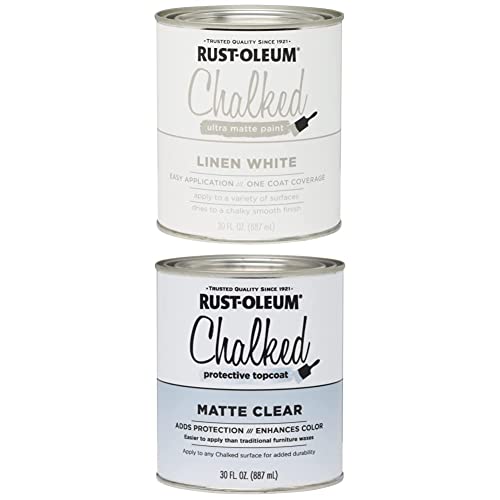
For protection, don’t skip sealing your creation. A clear matte or satin finish will preserve the look while adding durability. This step ensures your revamped piece remains stunning in any setting for years to come.
Applying Two Contrasting Colors
Choose a lighter shade for one section and a darker hue for the other. This contrast enhances depth and adds a unique energy. For instance, I often go for a cream or soft gray paired with a rich navy or charcoal. Prepare your surfaces thoroughly to ensure proper adhesion and longevity of the finish.
Layering and Distressing Techniques
After your base is dry, apply a second hue, focusing on even coverage. Once both layers are set, I use sandpaper or a distressing tool on edges and raised areas to reveal the lighter color underneath. Always test your technique on a hidden area first to achieve the desired effect.
Final Touches for Protection
Seal the project with a clear coat, ensuring durability and enhancing the visual appeal. A matte or satin finish can complement the aged look beautifully. Allow adequate drying time before use to prevent damage and preserve the integrity of your masterpiece.
Selecting the Right Furniture for a Two Tone Look
Opt for pieces with clean lines and simple designs. Such characteristics allow the color contrast to shine without overwhelming the eye.
- Materials: Prioritize versatile substrates like wood or MDF. These lend themselves well to layering and distressing techniques.
- Size: Choose items that fit your space harmoniously. Oversized elements may dominate the room, hindering the balance of hues.
- Style: Consider transitional or farmhouse styles. They typically blend well with various color combinations.
- Functionality: Ensure practicality. Pieces that serve multiple purposes can maximize space and enhance design appeal.
Examine existing finishes and textures, as they impact the final effect. A chair with a smooth surface might benefit from a different approach compared to a rustic table.
Finally, look for vintage or antique items. Their inherent character adds depth, making any new colors more visually engaging.
Preparing Your Article for Transformation
Begin the preparation by cleaning the surface thoroughly. I use a mixture of warm water and mild soap to remove grime and dust. For stubborn residues or grease, a dedicated degreaser can work wonders. Ensure the surface is fully dry before moving on to the next step.
Repair Any Imperfections
Inspect for scratches, dents, or any damage. Filling these imperfections is crucial for a smooth end result. I usually opt for wood filler, which I apply with a putty knife. After it dries, I sand it lightly with fine-grit sandpaper to create an even surface.
Sand the Surface
Sanding is essential to promote adhesion. I choose a medium-grit sandpaper, about 120 grit, to start and then follow up with a finer grit, around 220. This process not only smooths the surface but also removes any existing finish. Once finished, I wipe the dust away with a damp cloth or a tack cloth to ensure a clean area.
| Step | Description |
|---|---|
| Cleaning | Use mild soap and water or a degreaser for tough spots. |
| Repair | Fill scratches and dents with wood filler, then sand it down. |
| Sanding | Sand the entire area to promote better adhesion and remove previous finishes. |
Once all these steps are completed, the piece will be ready for the next phase. Preparation paves the way for successful results and enhances the aesthetic appeal of the project.
Choosing and Mixing Your Paint Colors
Focus on complementary shades that work harmoniously together. Consider using a light hue as the base color and a darker one for accents. For instance, pale blue paired with navy creates an elegant contrast. Test combinations on a small surface before committing, ensuring the final result aligns with your vision.
Understanding Undertones
Pay attention to undertones in your selected colors. Warm undertones, like yellow or red, contrast with cool tones, such as blue or green. For a cohesive appearance, select shades from the same color family, or use one warm and one cool for more visual interest. Testing swatches in different lighting will help reveal any discrepancies that may arise.
Mixing Techniques
Experiment with mixing different brands or types of coatings to achieve unique shades. Combine colors using a palette knife or stir stick, adjusting ratios until you achieve the desired effect. Document your mixing process, noting ratios for future reference and consistency across projects.
Applying the First Coat of Paint Evenly
Before I begin, I ensure that my workspace is free from dust and debris to avoid imperfections in the finish. I choose a high-quality brush that is suitable for the type of coating I’m using. A synthetic brush works well for latex products, while a natural bristle brush is ideal for oil-based options.
Next, I pour the color into a clean tray and dip my brush, allowing excess to drip back into the tray. I approach the task methodically, starting from the edges and corners, ensuring there’s enough product on the brush to coat those areas without leaving gaps or streaks.
I use long, even strokes to cover larger flat surfaces, applying pressure consistently to avoid the appearance of brush marks. I find it helpful to work sections at a time, overlapping slightly as I go to maintain a wet edge; this method prevents visible lines from forming as the material dries.
During this process, I constantly check for missed spots or uneven areas. If I notice any imperfections, I address them immediately while the layer is still workable. Patience is key, so I allow the first coat to dry thoroughly before considering any additional layers or finishes.
Distressing Techniques for a Vintage Finish
To achieve that authentic vintage look, I utilize several specific methods to create an aged, weathered appearance on my pieces. One technique that stands out is using sandpaper. I prefer a medium grit for initial distressing, focusing on edges and raised areas that would naturally wear over time. This helps create a subtle, sun-bleached effect.
Another approach involves using a damp cloth or sponge to rub back certain areas. This helps lift some of the colored layers, revealing the original wood or a contrasting undercoat. For deeper distressing, I choose to apply a small amount of dark wax after my initial finish is completely dry. The wax adds depth and an aged patina that enhances the character of the item.
Sometimes, I introduce a crackle medium before applying the final layer. This creates a conveniently chipped look that mimics years of wear. After allowing it to dry, I apply a light topcoat, which settles into the cracks and further enhances the vintage feel.
For a truly worn appearance, I occasionally use a technique involving a hammer or other tools to create dents and nicks. Careful placement of these imperfections can dramatically transform a piece, giving it that well-loved quality. I make sure to practice on a scrap piece first to ensure I achieve the right amount of distressing.
Finally, blending various techniques often produces the best results. Combining sanding, waxing, and crackling can create a complex, layered finish that speaks to history and craftsmanship. I enjoy experimenting with these methods to find the perfect balance for each project.
Sealing and Protecting Your Finished Piece
For safeguarding your newly transformed item, I recommend using a clear, water-based polyurethane. This finish provides a durable barrier against scratches and stains while maintaining the appearance of the underlying layers. Choose a satin or matte finish depending on your desired sheen.
Application Technique
Before applying the sealant, make sure the paint is completely dry. Using a high-quality synthetic brush, apply a thin coat of polyurethane in the direction of the grain. Avoid over-brushing to prevent bubbles. After the first layer dries, lightly sand the surface with fine-grit sandpaper for better adhesion of subsequent coats.
Number of Coats
Typically, two to three coats of sealant are ideal. Allow adequate drying time between each application, and ensure ventilation in your workspace. For high-traffic areas, consider applying an extra coat for enhanced protection.
Remember to periodically inspect the finish for any wear and address any issues promptly to maintain the aesthetics and longevity of your piece. Regular dusting and cleaning with a soft cloth will help keep the surface looking fresh.
Lastly, if the furniture will be exposed to sunlight, use a UV-resistant sealant to prevent fading over time. This extra step ensures your refurbished item retains its charm for years to come.