
 Caleb Turner

Choosing the right type of coating is critical for refreshing your everyday items. I recommend using acrylic latex for its durability and easy cleanup. It adheres well to various surfaces and stands up to wear and tear, making it ideal for high-traffic pieces.
Preparation is key. Start by ensuring the surface is clean and free of any dust or grease. A light sanding will help the new layer adhere better. If you’re working with a slick finish, a primer can significantly enhance the bond between the material and your chosen coating.
When applying the new layer, use a high-quality brush or foam roller for a smooth finish. Thin, even coats work best. I typically aim for two to three layers, allowing ample drying time between applications. This method will result in a more durable and professional-looking finish that can withstand daily use.
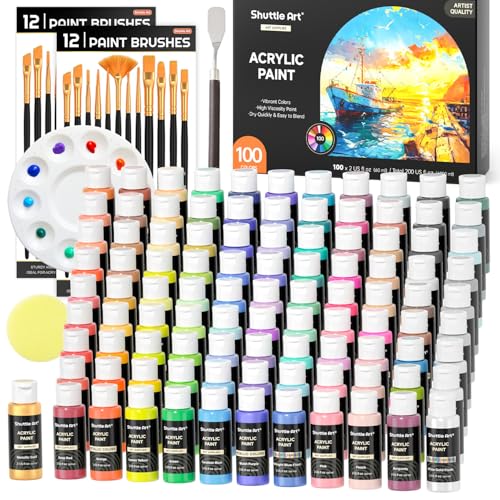

Lastly, consider the environment where the item will live. Different spaces may require varying levels of resistance to moisture or heat, so choose accordingly. With these steps in mind, you can easily rejuvenate and customize your pieces to fit your style.
Painting Target Furniture
Begin with a thorough cleaning of the piece using a mixture of mild soap and water. This ensures that any grease or grime is removed, promoting better adhesion of the coating.
Select a high-quality primer that suits the material of your item. A primer enhances the durability of the finish and can prevent the old color from bleeding through. Apply it evenly using a brush or roller, allowing adequate drying time as recommended by the manufacturer.
Choose a suitable exterior or interior acrylic covering based on the location where the item will be placed. Semi-gloss or satin finishes are preferable for added durability and ease of cleaning. Utilize a synthetic brush for a smooth application, and consider using a foam roller to cover larger surfaces without brush marks.
Apply at least two coats of color, ensuring each coat dries completely before adding the next. This step is critical for achieving a uniform appearance. Lightly sand between coats with fine-grit sandpaper to enhance adhesion and smoothness.
Finish with a clear topcoat to protect the surface from scratches and stains. Select a clear acrylic sealer suitable for the intended use of your item. This last layer will preserve the paint job and enhance the sheen.
For outdoor pieces, make sure to check the product labels for UV resistance and waterproof characteristics. Storing the item in a covered area when not in use can further extend its lifespan.
Selecting the Right Paint for Furniture
Choose acrylic or latex options for indoor projects. These provide good adhesion and flexibility, minimizing chipping. For outdoor pieces, consider using oil-based varieties with weather resistance to withstand the elements.
Color and Finish
Select a color that complements your existing decor. Consider using a satin or semi-gloss finish for durability and ease of cleaning. If a matte look is preferred, be aware that it may require more touch-ups over time.
Safety and Environmental Factors
Always opt for low-VOC or zero-VOC alternatives, especially for interior items. This reduces harmful emissions and is safer for children and pets. Ensure proper ventilation when working with any paint product.
Testing a small section can reveal how the selected option adheres and dries, allowing for adjustments if needed.
Preparing the Furniture Surface for Painting
Thoroughly clean the item to eliminate dust, grease, and grime. Utilize a mixture of warm water and mild soap. For stubborn stains, a gentle abrasive cleaner works well. Rinse with clean water and let it dry completely.
Sanding the Surface
Use fine-grit sandpaper (220-grit) to lightly sand the surface. This step enhances adhesion and smoothens imperfections. Sand in the direction of the grain to avoid scratches. After sanding, wipe down the area with a damp cloth to remove any residue.
Priming the Item
Apply a primer suited for the material. Priming is crucial as it creates an even base for subsequent layers. Follow the manufacturer’s instructions regarding drying times before applying the final coat.
| Steps | Materials Needed |
|---|---|
| Clean | Warm water, mild soap, soft cloths |
| Sand | 220-grit sandpaper, damp cloth |
| Prime | Appropriate primer, brush or roller |
A smooth and well-prepared surface is fundamental for achieving a professional outcome. Paying attention to these preparatory stages ensures a durable finish.
Choosing the Best Tools for Painting
Opt for high-quality brushes and rollers based on your project size. For intricate details, select angled brushes, while larger flat brushes work best for broad surfaces.
- Brushes:
- Use synthetic bristles for water-based coatings.
- Naturally bristle brushes excel with oil-based finishes.
- Rollers:
- A nap of 1/4 to 3/8 inches suits smooth surfaces.
- Choose a thicker nap for textured areas.
Consider using a paint sprayer for larger pieces or intricate work. They speed up the process and create an even finish. Be cautious with overspray and ensure proper ventilation.
- Other Tools:
- Drop cloths to protect surroundings.
- Detail brushes for finishing touches in hard-to-reach corners.
- Paint trays and liners for easier access to the material.
- Sandpaper or sanding blocks to smooth surfaces before applying the first coat.
Finally, invest in safety equipment, such as gloves, masks, and goggles, to safeguard yourself from harmful fumes and contact. Quality tools not only improve the application but also the longevity and appearance of the finish. Choosing wisely makes all the difference.
Applying Primer to Enhance Paint Adherence
Before applying your chosen color, I recommend using a primer specifically designed for the type of material you are working with. Priming allows for better adherence of the finish coat, preventing peeling and extending the life of the new surface.
Here are specific steps to follow:
- Select the Right Primer: Use a bonding primer for surfaces like laminate or glossy finishes, while a water-based primer works well for wood.
- Clean the Surface: Ensure the area is free from dust, grease, and old finishes. This can be achieved with a mild detergent and water or a suitable cleaner.
- Apply Evenly: Use a high-quality brush or roller to apply the primer in thin, even layers. Avoid over-applying to prevent drips and runs.
- Allow to Dry: Follow the manufacturer’s recommendations for drying time. This is crucial to ensure the substrate is ready for the top coat.
- Lightly Sand (if needed): For a smoother finish, lightly sand the primed surface before applying the final layer. This helps create a better bond.
Utilize these guidelines to ensure a professional-looking finish that stands the test of time. Proper priming can significantly enhance the durability and appearance of your project.
Mastering the Painting Technique for Even Coverage
I focus on achieving flawless layers when working with wood pieces. A steady hand and precise motions greatly contribute to uniformity. One effective method is applying thin coats rather than thick ones. This approach minimizes drips and uneven textures, allowing subsequent layers to adhere better.
Technique Factors
I always keep the brush at a 45-degree angle for smooth strokes. This angle enables better control and reduces streaks. For larger surfaces, I make use of foam rollers; they distribute color evenly, and I can cover broad areas efficiently. I always finish edges and corners with a brush to ensure no spot is left unattended.
Drying Time and Reapplication
Patience plays a key role. Allow each coat to dry fully before applying the next to avoid lifting or smudging. I often touch the surface lightly; it should feel dry but not cold. Once I achieve the desired coverage, I finish with a clear topcoat for durability and shine.
Testing the technique on a scrap piece before applying to the main object often saves me from unexpected issues. Incorporating these finalized methods leads to professional-looking results I am proud of.
Sealing and Finishing for Durability
Choosing a sealant can drastically affect the longevity of the surface. I prefer polycrylic for its clarity and resistance to yellowing, especially on lighter shades. Apply it with a high-quality synthetic brush to avoid brush marks.
Multiple Coats for Increased Protection
One thin layer won’t suffice. I generally apply at least two to three coats, allowing adequate drying time between layers. Lightly sand the surface with fine-grit sandpaper after each coat for better adhesion of subsequent layers.
Choosing the Right Finish
For a glossy appearance that showcases the grain, I opt for a semi-gloss or high-gloss finish. If a more matte look is desired, satin finishes provide a soft sheen while still being durable. The choice of finish should reflect both aesthetic preferences and functional needs.


