Caleb Turner

I recommend beginning with a thorough cleaning of the surface to eliminate any dirt or grease. Use a mild detergent mixed with water, and ensure the wood is completely dry before proceeding. Any moisture can interfere with the adhesion of the subsequent layers.
A primer specifically designed for this type of material is essential. Apply a thin, even coat using a high-quality brush or roller. This creates a base that ensures better coverage and durability of the final finish. Allow ample time for the primer to dry–check the manufacturer’s guidelines for best results.
Select a paint that is suitable for porous surfaces. Acrylic or water-based formulations are preferable, as they provide flexibility and low odor. Apply the first coat evenly, making sure to cover all areas without excessive drips. After it dries, inspect the coverage and apply additional coats until the desired effect is achieved.
After finishing, consider sealing the surface with a clear topcoat to enhance longevity and protection against wear and tear. This step will help maintain the appearance and durability of the newly updated piece over time.



Techniques for Revamping Your Wooden Pieces
I recommend thoroughly cleaning the surface with a mild detergent and water to eliminate dirt and grease. Allow it to dry completely before proceeding.
Next, use a sandpaper with a fine grit to create a slightly rough texture on the surface. This enhances adhesive properties of the subsequent layers. Clean any dust produced by sanding with a damp cloth.
Select a quality primer specifically designed for challenging surfaces. Applying this product creates a solid base and ensures that the finish adheres well. Use a brush or roller for an even application, and let it dry according to the manufacturer’s instructions.
For the final coating, opt for acrylic or latex options, which provide durability and resilience. Applying multiple thin layers rather than one thick coat avoids bubbling and uneven surfaces. Allow sufficient drying time between coats to achieve a smooth finish.
Finally, consider using a clear sealant to protect the new finish. This is particularly important for pieces exposed to wear and tear, as it prolongs the life of the coating.
Choosing the Right Paint for Rubberwood
Selecting a suitable coating is crucial for achieving a lasting finish on these pieces. I recommend using either water-based or oil-based formulations, as both types have their merits. Water-based options dry quickly and have lower VOC emissions, making them a healthier choice for indoor applications. On the other hand, oil-based solutions are known for their durability and smooth application, suitable for high-traffic areas.
Ensure that the products you choose are labeled as compatible with hardwoods, particularly those designed specifically for furniture. Look for advanced bonding agents in the ingredients, which can significantly enhance adhesion to the surface and reduce the chances of peeling or chipping in the future.
| Type | Advantages | Disadvantages |
|---|---|---|
| Water-Based | Quick drying, lower VOCs | May require more coats for full coverage |
| Oil-Based | Durable finish, better leveling | Longer drying time, higher VOCs |
Look for paint that offers a range of finishes, such as matte, satin, or gloss, depending on the desired aesthetic. Always test a small area first to ensure that the color and finish meet expectations. For further enhancement, adding a primer suitable for porous surfaces will help seal the wood and provide a uniform base.
Finally, don’t overlook the importance of cleanup. Water-based products can often be cleaned with soap and water, while solvents may be necessary for oil-based types. Ensure you have the proper supplies ready to avoid complications during the process.
Preparing the Surface for Painting
Clear the area by removing any dust, dirt, and debris from the item. A clean surface ensures better adhesion of the coating.
Begin by lightly sanding the surface with fine-grit sandpaper (220-grit works well). This step eliminates any sheen and helps create a texture that improves the bond with the new layer.
Make sure to follow the grain while sanding to avoid scratches that can affect the finish.
After sanding, thoroughly wipe the surface with a damp cloth to remove all dust particles. Allow it to dry completely before proceeding.
If there are existing finishes or stains, consider using a paint stripper to remove them. Read and follow the manufacturer’s instructions carefully to ensure safety and effectiveness.
For any imperfections like dents or cracks, fill them with wood filler. Once it dries, sand it down smoothly so the surface remains even.
Applying a primer is a recommended step, especially if you’re working with darker colors or plan to cover stains. A suitable primer will enhance color uniformity and durability.
Before the application of any coatings, check the item for any rough spots or areas that may need additional sanding or filling.
Choosing the Appropriate Primer for Rubberwood
I opt for an oil-based or shellac primer when preparing my timber for finishing. These types adhere well to the surface and provide a solid base for the top coat. If I’m looking for a fast-drying option, an acrylic primer works well for quick projects.
Spot Testing
Before applying the primer across the entire surface, I always conduct a spot test. This ensures compatibility with the wood and reveals how well the primer seals in any potential stains from the grain. A small section allows me to assess how it interacts with the wood and check for adhesion.
Stain Resistance
Selecting a stain-blocking primer is crucial. Since the grain may bleed through, using a product designed to prevent leakage from the wood’s natural oils is vital in achieving a clean finish. This choice safeguards the subsequent layers from discoloration.
Reading the label for specifics on drying times and application methods helps me achieve consistent results. I prioritize products that offer good coverage while also facilitating smooth application with minimal sanding.
Selecting the Best Tools for Painting
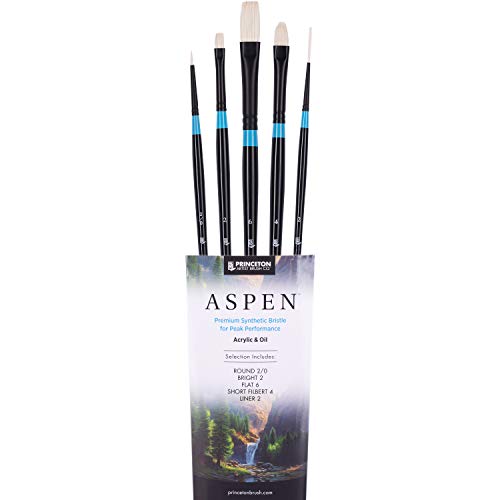
The success of your project heavily relies on choosing the correct tools. Invest in high-quality brushes; a good angled brush allows for precision on edges and intricate areas. Consider a synthetic bristle brush for water-based finishes and a natural bristle for oil-based options.
- Rollers: Use a foam roller for smooth surfaces, ensuring a consistent application. A nap roller works well for textured areas.
- Sprayers: An airless sprayer can provide an even coat over larger sections, minimizing brush marks. Practice with it beforehand for the best results.
- Drop cloths: Protect surrounding areas with a heavy-duty drop cloth to avoid unwanted splashes and spills.
- Tape: Painter’s tape is crucial for clean lines. Apply it carefully and remove it while the finish is still semi-wet for a crisp edge.
- Sandpaper: Various grits are necessary for surface preparation. Start with coarse grit to smooth rough spots, followed by finer grit for a polished finish.
Utilize a roller extension pole for ease with larger surfaces, reducing fatigue and ensuring consistent pressure. A paint tray eases the loading of your roller or brush, preventing drips. Wrap a brush in plastic wrap between coats to keep it from drying out.
- Select brushes suited for your finish.
- Use rollers for broad areas to enhance efficiency.
- Incorporate a sprayer for a flawless application.
- Protect your surroundings during the process.
- Invest time in selecting quality tools for better results.
A careful selection of these tools not only streamlines the process but also enhances the final appearance of the wood’s surface.
Applying Paint: Techniques for Smooth Finish
For achieving a flawless coating, I rely on a few tried-and-true methods. Begin with a high-quality brush or roller suitable for the type of coating you are using. A foam roller is excellent for larger areas, while a synthetic-bristle brush is ideal for edges and detailed work.
Layering and Drying
I apply multiple thin layers rather than a single thick one. This prevents drips and ensures even coverage. I allow each layer to dry completely according to the manufacturer’s instructions before adding the next. This not only improves adhesion but also aids in achieving a smoother surface.
Sanding Between Coats
After the initial coat dries, I lightly sand the surface with fine-grit sandpaper (220 grit works well). This step smooths out any imperfections and helps the subsequent layer adhere better. I always dust off the surface with a clean cloth to remove any debris before applying the next layer.
| Technique | Description |
|---|---|
| Thin Layers | Apply multiple thin coats instead of one thick coat for even coverage. |
| Sanding | Lightly sand between coats for a smoother finish and better adhesion. |
| Cure Time | Follow the drying times specified on the product for best results. |
By adhering to these techniques, I consistently achieve a professional-looking finish that enhances the beauty of any piece I work on.
Ensuring Proper Drying Time Between Coats
I recommend allowing sufficient drying time between layers to achieve an even and durable finish. For water-based products, a minimum of 2 hours is typically adequate, while oil-based alternatives may require up to 24 hours. Always refer to the manufacturer’s instructions for specific guidance.
To check if the first coat is dry, gently touch a small, inconspicuous area. If it feels tacky, wait longer. Once dry, lightly sand the surface with fine-grit sandpaper before applying the next layer. This helps ensure better adhesion and a smoother final appearance.
Environmental Factors
Consider the temperature and humidity levels in your workspace. Ideal conditions are between 65°F and 75°F (18°C to 24°C) with low humidity. If it’s too cold or humid, drying times can be extended. Using fans or a dehumidifier can help accelerate the drying process.
Avoiding Common Mistakes
Many overlook the importance of waiting adequately between applications, leading to potential issues like bubbling or peeling. Practice patience; rushing the process often yields unsatisfactory results. If you’re unsure about the dryness of a previous layer, it’s safer to wait longer than risk damaging your hard work.
Adding a Protective Topcoat for Durability
Applying a protective topcoat significantly enhances the lifespan of your piece, providing a crucial barrier against scratches and moisture damage. Use a water-based polyurethane or a quality varnish for optimal results.
Selection of Topcoat
Choosing the right finish is paramount. I’d recommend:
- Water-Based Polyurethane: Dries quickly and offers clear protection, maintaining the original color.
- Oil-Based Polyurethane: Provides a rich sheen but takes longer to dry; ideal for deep, glossy finishes.
- Natural Oil Finishes: Such as tung or linseed oil; great for a matte look, though they require reapplication.
Application Tips
For effective application, follow these steps:
- Ensure the surface is completely dry and free of dust.
- Use a high-quality synthetic brush or foam applicator to avoid brush marks.
- Apply with long, even strokes, going with the grain to prevent streaks.
- Let it dry according to the manufacturer’s guidelines, usually 2-4 hours.
- Sand lightly with fine-grit sandpaper between coats to ensure a smooth finish.
- Apply at least two to three coats for maximum durability, allowing adequate drying time between applications.
Completing this step guarantees that your creation withstands daily wear while retaining its aesthetic appeal.
Caring for Painted Rubberwood Furniture
To maintain the appearance of my finished pieces, I prioritize using a soft, damp microfiber cloth for regular cleaning. This prevents scratches and preserves the paint’s integrity while avoiding any harsh chemicals that could damage the surface.
I always ensure that spills are addressed immediately to mitigate any potential staining. I gently blot the area with a clean cloth rather than wiping, to avoid spreading the liquid.
When it comes to preventing wear and tear, I place coasters under glasses and dishes, reducing the risk of ring stains. Additionally, I use felt pads under decorative items to prevent scratches from movement.
Occasionally, I apply a wax finish to enhance the sheen and provide an extra layer of protection. I carefully choose a non-yellowing, water-based product for this step, applying it sparingly with a clean cloth and buffing it to a subtle shine.
Direct sunlight can fade colors over time, so I avoid placing my pieces in harsh sunlight. I also rotate items occasionally to ensure even exposure to environmental conditions.
During seasonal changes, I monitor humidity levels. Maintaining a stable environment helps prevent warping or cracking. I ensure that the room has adequate ventilation without excessive moisture.
For touch-ups, I keep leftover paint on hand, allowing me to quickly address any scuffs or scratches. A small artist’s brush works remarkably well for these minor repairs, blending imperfections seamlessly.
Troubleshooting Common Painting Issues
If streaks appear on your surface, it’s often a sign of applying too much product at once. Thin your layers and build them up gradually for a smooth look.
Inconsistent color can stem from insufficient mixing. Ensure that the shade is well mixed before application to maintain uniformity across the surface.
For drips and runs, check your application technique. Apply with steady, even strokes and avoid overloading your brush or roller.
If the finish feels rough, consider using fine-grit sandpaper between coats. Sanding helps achieve a silky texture and improves adhesion for the subsequent layer.
Should odors linger after drying, ensure the area is well-ventilated. Fresh air can help dissipate any remaining fumes from the applied materials.
Chipping or peeling can occur due to inadequate adhesion, often from insufficient primer. Always prime properly to enhance the bond between the surface and your coating.
For a dull appearance post-application, check the curing time. Sometimes, surfaces may need additional time to settle into their final sheen.
If bubbles form during the process, it can be caused by applying too quickly or exposing the material to heat. Allow adequate drying time before handling to avoid this.
Lastly, if you encounter difficulty cleaning your tools, use solvents recommended for your chosen products immediately after use to maintain them effectively.