Caleb Turner
Begin by ensuring the surfaces are clean and free from dust. A quick vacuum or wipe-down will set a solid foundation for your project. Prepare your materials: select a paint that promotes quick drying and consider using a semi-gloss or satin finish for easy cleaning.
Use high-quality painter’s tape to protect areas that need safeguarding, like baseboards and door frames. Applying the tape neatly will prevent accidental splashes on these surfaces, ensuring crisp lines when you’re done. For the actual color application, a brush works best for edges and corners, while a roller can cover larger sections effectively.
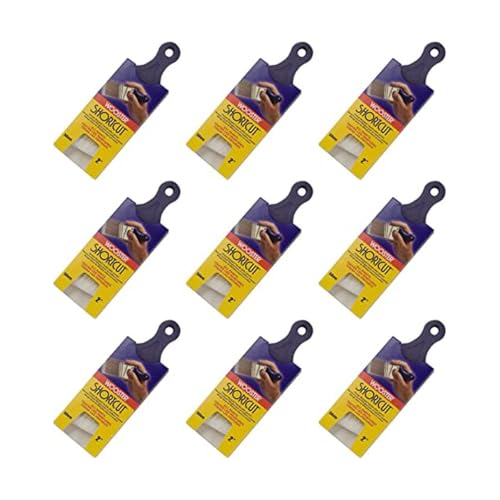
Make use of a paint shield to minimize mess on adjacent surfaces and keep excess paint from splattering. Position the shield against the area you’re working on; this will allow accessible painting while maintaining a tidy environment. Keep a damp cloth handy to instantly wipe away any unintended drips.


Consider a strategic approach to layering your colors; start from the top and work your way down. This technique not only saves time but also keeps your space cleaner, avoiding any debris falling onto freshly coated areas. With the right approach, it’s possible to achieve a fresh look without the hassle of relocating your belongings.
Tips for Efficiently Renewing Your Space
Utilize drop cloths to cover the floor and protect items from splashes. Ensure you have painter’s tape for clean edges around walls and baseboards. This will save time in cleanup and ensure a neat finish.
Recommended Tools
- Extension poles for reaching high spots without stretching or straining.
- Small brushes for corners and tight areas that larger tools can’t reach.
- Rollers with a thicker nap for textured surfaces.
Application Techniques
- Begin with the edges and corners using a brush.
- Use a roller for larger surfaces, applying in a zig-zag motion to avoid streaks.
- Work in sections to maintain wet edges; this prevents lines from forming.
- Consider a second coat once the first has dried to enhance color depth.
Make use of a paint sprayer for large areas to simplify the process. Proper masking will ensure that unintended areas remain untouched.
Choosing the Right Paint Type for Small Spaces
For tighter areas, I recommend opting for a satin or eggshell finish. These options reflect light better than flat finishes, creating an illusion of more space.
If durability is a concern, especially in high-traffic zones, an acrylic latex formula works beautifully. It resists scuffs and cleans up easily, which contributes to a maintained look.
For enhanced light reflection, consider a semi-gloss variant. This sheen can amplify brightness, especially in corners that might otherwise feel cramped.
Specialty paints are also a viable option. Task-specific choices, such as mold-resistant varieties, can enhance longevity in moisture-prone environments.
Testing samples on walls before the final decision can guide me in understanding how the light interacts with chosen colors and finishes. I notice how a color shifts throughout the day, impacting the perceived size of the space.
Choosing the right type can turn small areas into inviting, expansive-looking spots, maximizing their potential.
Preparing Your Walls While Furniture Stays Put
Begin with a thorough cleaning of your surfaces. Dust and dirt can interfere with adhesion, so I always use a damp cloth or sponge to wipe down areas where I’ll apply the color. For stubborn stains, a small amount of mild detergent may be beneficial.
Next, address imperfections. Inspect for cracks, holes, and blemishes. Filling these gaps with a quality spackling compound helps create a smooth, even foundation. Once the filler dries, I sand the area gently with fine-grit sandpaper to avoid visible textures before applying any finish.
Don’t forget to tape off adjacent areas. Using painter’s tape ensures clean lines, protecting trim, baseboards, and other unintended surfaces. I press the tape down firmly to prevent seepage and remove it while the application is still slightly wet for best results.
Lastly, I prep the space with drop cloths to safeguard floors and remaining items. Plastic sheeting works well for large areas, while fabric drop cloths tend to absorb spills better. This preparation sets the stage for transformative results while keeping everything in place.
Best Techniques for Taping Edges Around Furniture
Using painter’s tape is crucial for achieving clean lines. I stick a strip of tape along the edge between the wall and the furniture, ensuring it adheres well. For best results, I press down firmly with a putty knife or my finger, making sure there are no air bubbles. This prevents any bleeding of color under the tape.
Mask Off Nearby Surfaces
For extra protection, I cover adjacent surfaces with drop cloths or old sheets. I don’t just rely on the tape; this adds a layer of defense against any potential drips or splatters. I tape the drop cloths to the edge of the furniture, keeping them secure as I work.
Remove Tape Carefully
After finishing, I let the paint dry thoroughly before peeling off the tape. I pull it away slowly at a 45-degree angle to avoid tearing and to ensure I maintain that crisp edge. If I notice any imperfections, I can easily touch them up without worry.
Using Drop Cloths to Protect Your Belongings
Start with a high-quality drop cloth to safeguard your items. I prefer canvas or heavy-duty plastic for their durability and coverage. Measure the area and ensure the cloth is large enough to cover everything, preventing any splatters or spills.
Securing the Cloth
Once laid out, secure the drop cloth around corners and edges with painter’s tape. This stops it from shifting as I work, keeping the shield intact. If working near delicate items or edges, extra care ensures protection against accidental paint transfer.
Layering for Extra Protection
For added safety, especially around furniture legs or bases, use smaller cloths or towels. Position these under each piece to catch drips specifically in high-risk areas. This layered approach minimizes worry and allows me to focus on the application, knowing that my belongings remain safe.
Regularly check the cloth for paint build-up. Replace it if it gets too saturated to maintain effective coverage. This attention to detail saves time on clean-up later and preserves the integrity of my possessions.
With careful planning and the right materials, safeguarding your valuables is simply a matter of technique, allowing creativity to flow freely throughout the process.
Applying Paint in Tight Areas Without Mess
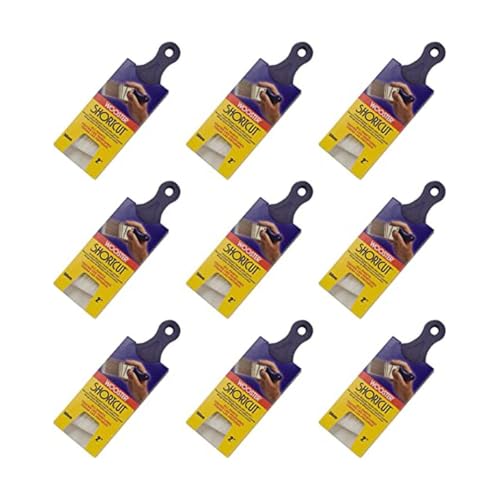
I recommend using a high-quality angled brush for intricate spots and narrow corners. This tool allows for precise application, enabling me to reach areas where a roller can’t fit effectively.
Here are additional strategies that work well:
- Use a Paint Edger: This handy tool helps achieve clean lines along surfaces adjacent to furniture. It can slide into tight spaces without smudging the surrounding areas.
- Thinning the Paint: When dealing with confined zones, I thin the paint slightly with water. This reduces the thickness, allowing it to flow more easily into crevices and tricky corners.
- Small Containers: I pour a little paint into a small container, minimizing the risk of spills. Working from a confined space helps keep the excess contained.
- Painter’s Tape: Before I start, I apply painter’s tape along the edges of furniture. Once the application is complete, I remove the tape while the paint is still slightly wet for a clean separation.
- Microfiber Rags: Keeping these handy allows me to quickly wipe off any drips or excess product that may occur during the process, maintaining a neat work area.
To minimize overspray, I always keep a steady hand and avoid overloading my brush with paint. Taking my time in these tight sections results in a clean and polished finish, ensuring I don’t create unnecessary messes.
Handling Touch-Ups and Overlooked Spots
To tackle imperfections and missed areas, I first ensure my brush is adequately saturated with the same hue I used initially. This helps maintain consistency in color.
I focus on smaller brushes for detailing around edges and corners. A fine-tipped brush enables precision in tight spaces. For larger areas, a mini roller works effectively when space is cramped, allowing for an even finish.
When addressing flaws, it’s key to blend in the new application with the surrounding section. I apply the paint lightly and use gentle strokes to feather the edges. This technique minimizes the appearance of lines.
If I encounter stubborn spots that resist touch-up paint, I lightly sand the area first and then repaint. This helps create a smoother surface, ensuring better adhesion of the new layer.
I always keep an eye on the drying time, as some colors may dry differently than others. After a few hours, I check for additional touch-ups, particularly in areas where the new and old coats meet.
Lastly, I maintain a small stash of leftover paint. This reserves exactly what I need for future touch-ups, ensuring that I can quickly match colors anytime discrepancies arise.
Tools and Accessories for Painting Around Furniture
Using the right equipment streamlines the process and minimizes mess. Start with a high-quality paintbrush and a roller designed for tight spaces. A compact roller can access narrow spots, while an angled brush is perfect for corners and edges.
Recommended Tools
| Tool | Purpose |
|---|---|
| Angled Brush | Ideal for corners and edges near pieces. |
| Compact Roller | Gets into small areas smoothly. |
| Painter’s Tape | Ensures crisp lines around bases and shelves. |
| Drop Cloths | Protects floors and nearby items from splatters. |
| Extension Pole | Reaches high spots without moving items. |
Choosing the right tape is crucial. Use a low-tack option to avoid damaging surfaces while still providing a solid barrier against paint. Additionally, a high-quality drop cloth helps prevent any potential mess from affecting belongings.
Accessories for Precision Work
Consider using a paint edger for a neat finish around furniture. This tool simplifies the process, especially in tricky regions. Incorporate a small brush for touch-ups; it allows for precision in spots that may be hard to reach with larger tools.
Investing in these tools enhances efficiency and helps maintain a clean environment while refreshing your living space.