Caleb Turner
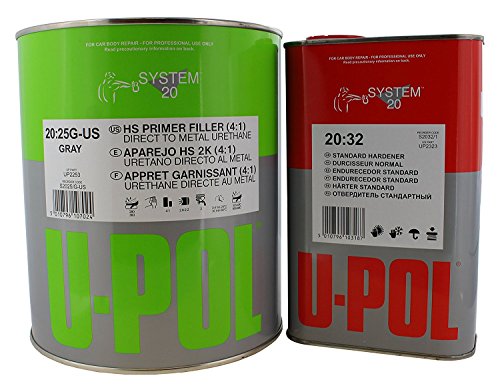
For a chic update, I recommend using a spray paint that is suitable for intricately woven surfaces. Start with cleaning the items thoroughly to remove any dust and residue, prepping the surface for optimal adhesion.
After cleaning, sand down any rough areas gently. This will not only help the paint stick but also smooth out the texture, giving it a flawless finish. Using an aerosol application allows you to reach all the nooks and crannies of the weaving, providing an even coat.
Ensure you apply multiple thin layers, allowing each one to dry completely before adding the next. This approach prevents drips and creates a polished look that enhances the aesthetic appeal of your interior space. Finish with a protective clear coat to seal in the new color and increase durability.


Transforming Natural Weave into a Bright Hue
Select a high-quality primer that adheres to the natural fibers effectively. A spray primer often works best to reach into the crevices of the weave. Apply it evenly with thin coats, allowing each layer to dry before adding another. Typically, two coats will suffice.
Choosing the Right Coating
- Use a non-toxic acrylic spray or brush-on option for optimal results.
- Consider using a matte finish to avoid glare and enhance the texture.
- Test on a small, inconspicuous area before full application.
Application Tips
Utilize a spray technique for smooth coverage, keeping the can about 12 inches away from the surface. This prevents drips and pooling. For hard-to-reach spots, opt for a small brush to ensure every area is coated evenly.
Allow sufficient drying time between each layer; typically, 24 hours is adequate. Finish with a clear sealant to protect your work from scratches and fading.
Choosing the Right Paint for Rattan
For transforming your woven seating and tables, I recommend using a high-quality, acrylic-based product. This type of coating adheres well to natural fibers and offers flexibility, minimizing the risk of cracking.
Opt for a spray version or a paint designed for delicate surfaces. These options ensure an even application and avoid buildup in the nooks of the weaving.
Make sure to select a product that is specifically labeled as suitable for outdoor use if your items will be exposed to the elements. This ensures durability and color retention over time.
Test the chosen medium on a small area first to confirm compatibility and the desired finish. This helps avoid any unpleasant surprises during the main application.
Using a primer designed for natural materials is advisable to improve adhesion and enhance the longevity of the finish. Look for options that are stain-blocking to prevent any discoloration from underlying materials.
Explore shades that offer UV protection to guard against fading, especially in brightly lit environments.
Given these points, I’m confident that selecting the right coating will result in a beautiful and lasting transformation for your furniture.
Preparing Your Wicker Items for Refinishing
First, I clean the surface thoroughly to remove dust, grime, and oils, which can hinder adhesion. A solution of mild detergent and warm water works well. I use a soft cloth or sponge to scrub gently, ensuring I reach into the crevices without damaging the weave.
Next, I let the item dry completely in a well-ventilated area. Moisture can cause complications during the coating process.
Once dry, I assess the condition of the piece. Any loose fibers must be secured. I employ a strong adhesive to fix any frayed ends, ensuring a smooth surface for a new layer.
If there are rough spots or imperfections, I lightly sand these areas with fine-grit sandpaper. This step is crucial for creating a smooth finish and better paint adhesion.
Finally, I wipe the entire piece with a tack cloth to remove any dust created from sanding. This ensures a clean base for the upcoming application.
The preparation phase is vital for achieving a professional-looking outcome in my restoration efforts.
Cleaning and Sanding Natural Weave Pieces Effectively
To ensure a smooth finish, I begin with a thorough cleaning of the surface. Using a soft-bristle brush, I gently remove dust, dirt, and any debris from the weave. If there are stubborn stains, I apply a mixture of mild soap and warm water, scrubbing carefully with a cloth, ensuring no excess moisture seeps into the fibers.
Once the cleaning is complete, I let the piece dry completely in a well-ventilated area. This prevents any moisture from causing damage during the sanding process.
Next, I take fine-grit sandpaper (around 220-grit) for the sanding process. With a light touch, I sand the entire surface, focusing on any rough spots or areas that need smoothing. I make sure to sand in the direction of the weave to avoid fraying the fibers. It’s important to apply even pressure to maintain a consistent texture.
After sanding, I wipe down the piece with a damp cloth to remove any dust particles created during the process. Allow it to dry completely before proceeding to apply any finishes. A clean and well-prepared surface will ensure better adhesion of the subsequent coating.
Applying Primer for Better Adhesion
Before applying the finish, I recommend using a high-quality primer to enhance adhesion. Choose a primer specifically designed for surfaces similar to the one you are transforming, as it creates a suitable base layer.
Choosing the Right Primer
Opt for a water-based primer for easy cleanup and low odor. Ensure it is compatible with the topcoat you plan to use. For example, if your chosen finish is acrylic, select an acrylic primer. This compatibility ensures long-lasting results.
Application Tips
Use a brush or spray gun for an even layer. Apply the primer in thin, consistent coats, allowing proper drying time between applications. I find two coats usually provide the best coverage and adhesion. Don’t forget to pay attention to the crevices, as they can be prone to peeling if neglected.
Once the primer has fully dried and cured, the surface will be ready for the final color application, ensuring a smooth and durable finish.
Techniques for Painting Rattan Evenly
Using a sprayer ensures a smooth, consistent coating. I select a high-quality airless paint sprayer for this purpose. The key is to maintain a steady distance of about 10-12 inches from the surface while applying even strokes.
If I choose a brush, I opt for one with synthetic bristles. This works well to reach the intricate weaves and crevices. I dip the brush lightly into the coating and use long strokes to avoid clumping. I make sure to apply the mixture in thin layers, allowing each coat to dry completely before adding the next.
For roller application, I pick a small foam roller that can navigate tight spots effectively. I load the roller with a moderate amount of substance, and then roll it over the surface, ensuring coverage without creating bubbles. I finish with a brush to even out any streaks or bumps.
Consider applying two to three thin layers instead of one thick layer. This technique reduces drips and unevenness while enhancing the durability of the final finish. Each layer should dry thoroughly; following the manufacturer’s instructions for drying times between coats is necessary.
Lastly, regular inspection of the surface during the process helps catch any imperfections early on, allowing for immediate correction before the finish sets. Consistency in technique is critical for achieving a flawless result.
Finishing Touches: Sealing and Protecting the Finish
For optimal durability, I recommend applying a protective sealant after achieving the desired appearance. Use a clear polyurethane or acrylic sealer specifically formulated for outdoor or indoor use, depending on where the piece will be placed. This layer should enhance the finish and provide a barrier against scratching and moisture. Ensure the surface is completely dry before applying the sealant for the best results.
Application Method
Using a clean brush or a sponge applicator, apply the sealant evenly. Work in thin coats to prevent drips or uneven texture. Allow each layer to dry fully before applying the next, typically around 2 to 4 hours, depending on the product instructions. Two to three coats will offer the best protection.
Maintaining the Finish
Regular maintenance is key to preserving the appearance. Wipe the surface with a damp cloth regularly to remove dust and dirt. If the finish begins to dull, consider reapplying the sealant every few years. This ensures long-lasting beauty and protection from everyday wear.
Maintenance Tips for White Painted Rattan Furniture
Regularly dust and wipe with a damp cloth to keep surfaces clean. Avoid abrasive materials that could scratch the finish. For deeper cleaning, mix a mild soap solution and gently scrub with a soft sponge, rinsing well afterwards.
Addressing Stains and Scuffs
For stains, act quickly. Use a soft cloth with a small amount of vinegar or baking soda paste. Test in an inconspicuous area first to ensure it won’t damage the coating.
Protection from the Elements
If used outdoors, consider using a protective cover during adverse weather. UV rays can cause fading; reposition the items to limit sun exposure. Aim to keep items in shaded areas whenever possible.
| Maintenance Task | Frequency |
|---|---|
| Dusting | Weekly |
| Deep Cleaning | Monthly |
| Stain Removal | As needed |
| Check for Damage | Seasonally |
Inspect for any chips or scratches periodically. Touch up these areas promptly to prevent moisture and dirt from penetrating the finish. Use the original color for consistency.