Caleb Turner
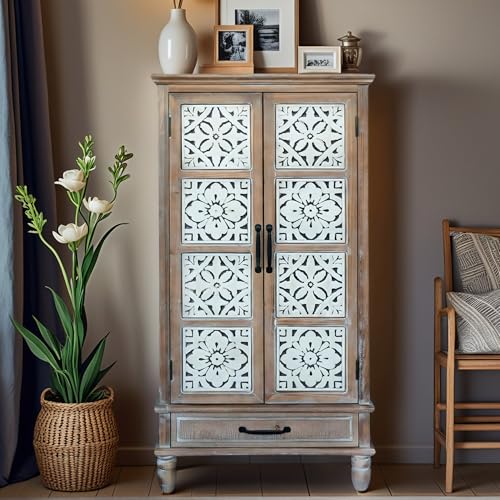
To achieve a chic and sophisticated look on your wooden items, I recommend preparing the surface meticulously. Begin by cleaning and lightly sanding the wood to remove any previous finishes or imperfections. This creates a smooth base for the new finish, ensuring better adhesion and a polished final appearance.
Next, choose a high-quality, water-based emulsion that offers excellent coverage and durability. I prefer a product with a matte or satin finish, as this provides a modern touch without excessive shine. Apply the first coat using a foam roller for a smooth application, paying attention to the corners and edges with a brush for precision.


After allowing the first layer to dry completely, lightly sand with fine-grit paper. This step is crucial to enhance the bond between coats. Follow up with a second application, ensuring even distribution across all surfaces. Once dried, you can admire the transformed look of your beloved wood pieces, now radiating a soft and inviting hue.
Applying a Soft Hue to Wooden Pieces
Choose high-quality bonding primer to ensure adherence. I recommend an oil-based option for the best seal. After priming, let it dry thoroughly before proceeding.
Select a suitable hue from a range of soft tones. For a light finish, a satin or semi-gloss enamel works well, enhancing the wood grain without overpowering it. Prepare the space by laying down a drop cloth to catch any drips.
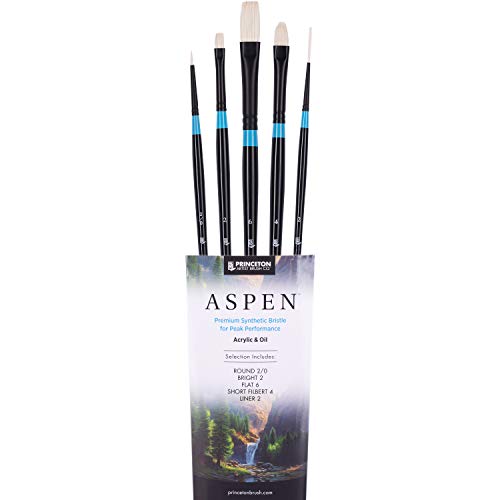
Use a synthetic brush for fluid application, allowing for smooth strokes. Begin with the less visible areas to test the consistency and flow of the color. One or two thin layers should suffice, ensuring each coat dries completely before the next. Sand lightly between applications for a smoother finish.
After completing the layers, apply a clear topcoat for durability. Polyurethane offers protection against scratches and moisture. Ensure proper ventilation during the application process and allow sufficient drying time before using the item.
This approach provides a refreshing update while maintaining the charm of the original design. Prioritize patience throughout, as each step contributes to the final aesthetic.
Selecting the Right Cream Paint for Pine Furniture
Choose a high-quality acrylic latex or chalk finish. These options provide durability and great coverage. Test the color with samples on a small area to see how it interacts with the wood grain and lighting.
Consider matte or satin finishes for a soft appearance that complements the natural characteristics of the timber. If a glossier look is preferred, pick semi-gloss options to highlight the details of the piece.
For a vintage effect, look into specific formulations that mimic aged or distressed styles. Brands often offer curated shades that evoke warmth and depth, enhancing the overall aesthetic appeal.
Pay attention to VOC levels for healthier indoor air quality. Low or zero VOC paints are ideal, especially in enclosed spaces.
Evaluate drying and curing times. Fast-drying paints minimize wait times between coats, but ensure sufficient durability for long-term use.
Gloss and sheen levels significantly impact the final look. Testing multiple variations helps determine which aligns best with your vision.
Preparing Pine Furniture for Painting
Begin with cleaning the surface thoroughly using a mild detergent and water solution. This eliminates dirt and grease, ensuring a smooth application later. After washing, let it dry completely before proceeding.
Next, examine for any imperfections such as scratches or dents. I recommend filling these spots with wood filler for a seamless finish. Once the filler has set, sand the area lightly with fine-grit sandpaper.
For a uniform texture, sand the entire piece lightly to de-gloss the surface. This step is key as it helps the subsequent layers adhere better. Always move in the direction of the grain to prevent scratches.
Don’t forget to wipe down the item with a damp cloth after sanding to remove dust particles. Any residue left can affect the adherence of the next layer. Allow it to dry again before applying any primer.
Using a suitable primer is advisable, especially for softwoods. This minimizes any splotching and ensures an even application of the top coat. Consider a spray primer for hard-to-reach areas and intricate designs.
Choosing the Best Primer for Woodwork
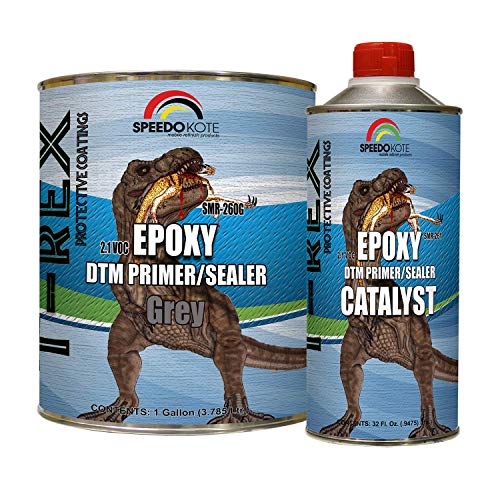
For optimal adhesion and a smooth finish, I recommend starting with a high-quality bonding or stain-blocking primer specifically formulated for softwoods. These primers effectively seal the porous surface, preventing excessive absorption of subsequent layers.
Key Characteristics to Look For
When selecting a primer, consider the following attributes:
| Characteristic | Description |
|---|---|
| Fast-Drying | A quick-drying formula reduces waiting time between coats, enabling a more efficient workflow. |
| Low Odor | Choosing products with low VOC (volatile organic compounds) levels enhances comfort during application indoors. |
| Stain Blocking | Effective at preventing tannin bleed, helping to maintain a uniform top coat appearance. |
| Paint Compatibility | Ensure that the primer is compatible with the top coat you intend to use, whether it’s water-based or oil-based. |
Recommended Products
Some recommended options include:
- Zinsser B-I-N Shellac-Based Primer
- KILZ Premium High-Hide Stain Blocking Primer
- Behr Premium Plus Primer and Sealer
Applying the right undercoat enhances the overall finish and durability of the surface, setting the stage for the final appearance I want to achieve.
Techniques for Applying Cream Paint Evenly
To achieve a smooth and uniform finish, I utilize a combination of tools. A high-quality synthetic brush is my go-to for corners and detailed areas, ensuring I can reach every nook without leaving brush strokes. For larger surfaces, I prefer a foam roller, which allows for quicker application and minimizes texture. Both tools require gentle pressure to avoid drips and uneven layers.
Prep the Surface
Before applying the top coat, I make sure the undercoat is completely dry. Lightly sanding the prepared surface with fine-grit sandpaper helps create a better bond, eliminating any imperfections from the primer. Clean off any dust between coats to ensure a smooth application.
Layering Technique
I recommend applying thin layers. Starting with a light coat prevents excessive build-up of paint, allowing each layer to dry thoroughly. After the initial coat is applied and dried, I lightly sand again before applying the subsequent layers. This creates an even base for the finish.
When applying the second coat, I use a methodical approach, working in sections to maintain a wet edge. This prevents any noticeable lines where the application process has stopped. It’s crucial to keep the brush or roller moving to avoid pooling of the paint.
Finally, finishing touches are important; I inspect the surface under good lighting after each coat. Any imperfections can be addressed quickly with touch-ups to ensure a flawless final result.
Tools Required for Painting Pine Furniture
For a successful transformation of your wooden items, assembling the right tools is key. Here’s what I recommend:
- Sanding tools:
- Orbital sander: for large surfaces.
- Hand sanding block: for corners and edges.
- Sandpaper: fine and medium grits are essential.
- Cleaning supplies:
- Lint-free cloths: to remove dust after sanding.
- Soap and water: for a thorough wipe-down.
- Mineral spirits: to degrease if necessary.
- Application tools:
- High-quality brushes: choose synthetic bristles for smooth application.
- Foam rollers: perfect for flat surfaces.
- Paint sprayer: for a flawless finish on intricate designs.
- Protective gear:
- Masking tape: to protect areas you don’t want to cover.
- Drop cloths: to shield floors from drips.
- Gloves: to keep hands clean and safe.
- Safety goggles: to protect eyes from dust and fumes.
- Finishing touches:
- Clear sealer or topcoat: to enhance durability.
- Paint trays: for holding and mixing materials.
Having these tools at hand will streamline the process and enhance the results of your makeover project.
Allowing Proper Drying Time Between Coats
Providing adequate drying time between layers is paramount for achieving a smooth and durable finish. I typically wait at least 4 to 6 hours before applying the next coat, but I check the manufacturer’s instructions on the specific product I’m using, as drying times can vary greatly.
To ensure optimal adhesion and avoid issues like peeling or bubbling, I use my fingertips to test if a layer is dry. If the surface feels tacky or sticky, I know it needs more time. In humid conditions, I extend the drying time, allowing the temperature and humidity to influence my waiting period.
Additional Tips
Maintaining good air circulation in the workspace speeds up drying. I open windows or use fans, but I ensure they don’t blow directly on the surface. This helps in avoiding dust accumulation while promoting even drying.
After completing the final coat, I wait at least 24 hours before using the item. This precaution allows for complete curing, resulting in a resilient surface that can withstand daily wear and tear.
Monitoring Environmental Conditions
Being mindful of environmental factors is crucial. Ideally, I aim for temperatures between 65°F to 75°F (18°C to 24°C) with low humidity. If the conditions are less than ideal, I adjust my timeline accordingly, permitting more time for drying.
Finishing Touches: Sealing Cream Painted Pine Furniture
To ensure durability for my newly embellished surfaces, I choose a suitable sealant designed for use on coated wood. This adds a protective layer, resisting scratches and stains while enhancing the overall appearance.
Recommended Sealant Options
- Water-Based Polyurethane: Offers a clear finish that dries quickly and is easy to clean up.
- Oil-Based Polyurethane: Provides a rich, amber tint, deepening the visual appeal while offering robust protection.
- Wax Finish: Ideal for a vintage look; however, it requires regular reapplication for maintenance.
Application Process
Before sealing, I ensure the surface is free of dust and debris. Using a high-quality brush or foam applicator, I apply the sealant in thin, even coats. It’s key to respect the manufacturer’s instructions regarding drying times to avoid any mishaps.
- First Coat: Lightly sand after drying to promote adhesion for the next layer.
- Second Coat: Apply without sanding to maintain a smoother finish, unless a thicker layer is desired.
- Final Coat: Consider a third application if added durability is necessary, especially for high-use areas.
Post-application, I allow the piece to cure in a well-ventilated space. This final step solidifies the protection and ensures longevity for my transformed items.
Cleaning and Maintaining Cream Painted Pine Furniture
To ensure longevity, I regularly dust with a soft, dry cloth to prevent dirt accumulation. For deeper cleaning, I mix warm water with a few drops of mild soap, applying it gently with a damp cloth. After cleaning, I wipe down with a dry cloth to remove any moisture.
Handling Stains and Marks
Immediate attention is key for any spills or stains. I blot the area swiftly with a clean cloth, avoiding scrubbing that might damage the finish. For stubborn marks, a mixture of vinegar and water can work wonders without harming the surface.
Regular Maintenance
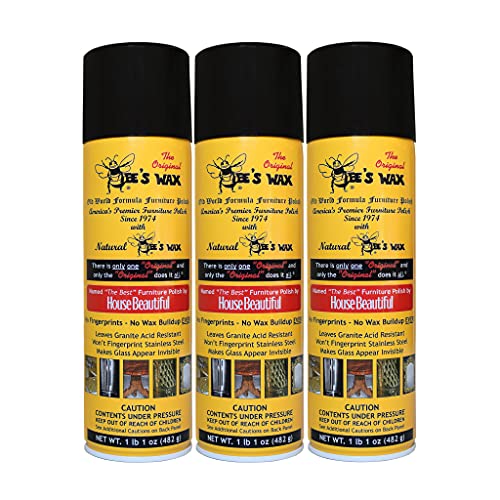
To maintain the finish, I recommend using furniture polish every few months to enhance the sheen. Applying a bit of beeswax or a high-quality furniture wax once or twice a year helps in providing additional protection and keeps the surface looking new.
Consistent care will keep my items in excellent condition and retain their beauty through the years.