
 Caleb Turner

Before beginning the process, gather essential items: high-quality adhesive, a brush, and a suitable coating specifically designed for the material in question. Ensure the area is well-ventilated and shielded from direct sunlight during application to avoid premature drying.
Preparation is key–start by thoroughly cleaning all surfaces to remove any dust or grime. A mixture of soap and water works well, followed by a rinse and complete drying. Inspect the straps for any wear or damage; replacing outdated sections will enhance the project’s overall longevity.
Once cleaned, gently sand the surfaces to create a better grip for the new finish. After sanding, wipe away debris with a damp cloth. Next, apply an even coat of your chosen product using the brush, ensuring even coverage. Allow the paint to dry completely as per the product instructions before applying a second layer.

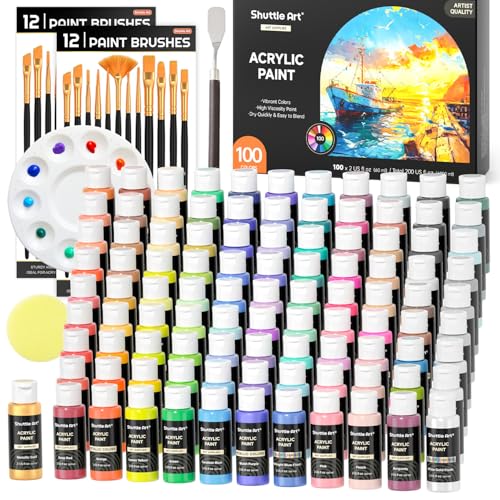

Finishing touches matter–consider applying a sealant after the final coat to protect against elements. This attention to detail will ensure your outdoor seating remains not only aesthetically pleasing but also resilient against time and weather.
Painting Outdoor Seating with Plastic Straps
I recommend first removing any loose debris or old particles from the surfaces. This ensures proper adherence of new colors. A gentle cleaning solution, such as soap and water, should do the trick. After cleaning, let everything dry completely.
Next, I recommend using a high-quality primer designed for outdoor materials. This step is crucial for a lasting finish. Apply the primer in thin, even coats, ensuring it covers all areas evenly. Allow each coat to dry as per the manufacturer’s guidelines.
Choosing the right paint is vital. Select an exterior-grade formula specifically formulated for plastic or metal elements. I like using paint that combines color and a protective finish to withstand the elements.
Apply the first coat of your chosen hue using a spray can or paintbrush for intricate sections. Thin coats are preferable; they dry quickly and prevent drips or runs. Once dry, evaluate the coverage.
If needed, apply a second coat following the same method. Ensure it dries thoroughly. After completing the painting, consider applying a clear sealant for added durability, particularly for those frequently exposed to moisture.
Last, allow everything to cure fully before placing items back outside. This ensures maximum adhesion and longevity of the finish.
Regular maintenance involves wiping surfaces down occasionally and addressing any minor scratches or chips with touch-up paint as needed to extend the lifespan of your refreshing project.
Choosing the Right Type of Paint for Vinyl Straps
Opt for a high-quality acrylic latex option specifically designed for flexible surfaces. This ensures the finish adheres well without cracking or peeling over time. Look for formulations labeled as suitable for outdoor use, resistant to UV rays and moisture.
Key Properties to Look For
| Property | Description |
|---|---|
| Flexibility | Should maintain elasticity to prevent damage during stretching. |
| Durability | Must withstand harsh weather conditions, including rain and sun exposure. |
| Adhesion | Should adhere well to synthetic materials for long-lasting results. |
| Drying Time | Quick-drying options reduce waiting and allow for multiple coats in one day. |
| Color Retention | Formulated to resist fading from sunlight, keeping the original look intact. |
Recommended Brands
Some reliable brands for this purpose include Rust-Oleum and Krylon. Both produce products specifically for outdoor usage that fulfill the criteria outlined above. Always check the label for compatibility with plastic or synthetic materials.
Preparing the Surface of Outdoor Seating for Coating
First, ensure the surface is completely clean. I use a mixture of mild detergent and warm water to eliminate dirt, grime, and any residue. A soft brush helps reach into crevices and corners where debris can accumulate. Rinse thoroughly and allow it to dry completely.
Next, inspect the materials for any signs of damage. Look for rust or peeling layers. If I find rust, I sand it down with coarse sandpaper until smooth, then treat it with a rust-inhibiting primer. For peeling areas, I carefully scrape away the loose material, ensuring the surface is smooth and even.
After addressing any damage, I lightly sand the entire area to promote adhesion. Using fine-grit sandpaper, I ensure to create a slightly roughened texture that helps the coating stick better. Dust off the sanding residue with a clean cloth to prevent any particles from interfering with the new layer.
If the item was previously coated, I opt to use a bonding primer tailored for the specific finish. This step creates an ideal base for the subsequent layers, enhancing durability and longevity.
Removing Old Vinyl Straps Before Painting
Begin removal by flipping the chair upside down for better access. Use a screwdriver to unscrew any fasteners securing the straps to the frame. Keep a container nearby to hold screws, ensuring you don’t lose any pieces during the process.
Next, carefully cut the straps if they are worn or damaged and cannot be unscrewed. A utility knife works well for this task. Make precise cuts close to the frame to avoid damaging the structure.
What to Watch For
- Look for corrosion on screws or bolts while unscrewing. Replace damaged fasteners to ensure a secure fit for new straps.
- Check the frame for any signs of rust or damage. Treat these areas appropriately before new straps are installed.
Once the old material is removed, clean the frame thoroughly to eliminate dirt and debris. This creates an ideal surface for the next steps in your preparation process.
Disposal of Old Straps
Dispose of removed straps responsibly. Check local regulations for disposal or recycling options to minimize environmental impact.
Applying Primer to Vinyl Areas on Furniture
For best adhesion, I always use a high-quality primer specifically designed for plastic surfaces. This type of primer creates a bond that ensures the finish adheres properly. I begin by shaking the primer can thoroughly. This step is crucial for an even application.
Next, I apply a light coat using a spray can or a brush, depending on my preference and the surface area. It’s essential to cover all corners and edges consistently. I maintain a distance of about 12 inches from the surface to avoid drips and runs.
After application, I allow the primer to dry completely as per the manufacturer’s instructions, usually around 1-2 hours. If the surface feels tacky, I wait longer to ensure a solid base for the subsequent coating.
Once dry, I lightly sand the primed areas with fine-grit sandpaper to create a smoother texture, which enhances the bond for the topcoat. I ensure to wipe away any dust residue with a damp cloth before moving on to the next step.
Lastly, I always double-check for any missed spots and, if necessary, apply a second coat of primer. This thoroughness leads to a more durable and visually appealing finish. Taking this extra time ensures top quality results in the final look of my project.
Selecting Colors and Finishes for a Fresh Look
For a modern twist, I recommend opting for bright or pastel shades. A bold hue, like turquoise or coral, can transform a dull area into a lively space. Pastels provide a soft, inviting feel, perfect for creating a calming environment.
Consider the Surroundings
Evaluate the setting of the outdoor area before making a choice. Harmonizing tones with the existing landscape or architecture will enhance overall aesthetics. For instance, earthy colors like olive green or sandy beige can complement natural surroundings, while crisp whites and blues may suit coastal themes.
Finish Types
A satin or semi-gloss finish can offer durability and ease of cleaning, making it practical for outdoor use. These finishes reflect light nicely, adding depth to colors. If a matte appearance is preferred, ensure the selected product specifies weather resistance to maintain a fresh look over time.
Lastly, don’t shy away from testing samples in small patches to see how they look in different lighting throughout the day. This will give a clearer idea of the final effect in the outdoor space.
Techniques for Painting Vinyl Straps Evenly
For achieving an even coat, I recommend using a spray technique. This allows for consistent application and minimizes drips or brush marks. Maintain a distance of 8-12 inches from the surface to ensure an even spread. Spraying in multiple thin layers is more effective than applying a thick layer at once.
It’s beneficial to work in sections. I tackle one strap or area at a time, which helps prevent the paint from drying in patches. A smooth, sweeping motion aids in achieving uniform coverage. I always aim to overlap each stroke slightly for better adhesion.
During application, I hold the can or sprayer at an angle to the surface. This technique helps target the edges and contours of the material more effectively, ensuring no area is left untouched. I find that rotating the furniture occasionally also aids in working with gravity, preventing runs.
Once the initial layer dries, I inspect for any uneven spots. If necessary, I lightly sand these areas with fine-grit sandpaper to promote better adhesion for the subsequent layers. After sanding, I wipe down the surface with a damp cloth to remove any dust before continuing.
To maintain an even finish, I adjust the pressure and speed of my spraying hand. I practice consistency with my movements; abrupt actions can lead to inconsistencies. If using a brush, opt for a high-quality synthetic bristle brush to avoid bristle marks and achieve a smoother finish.
Finally, after finishing the application, I allow ample drying time as per the manufacturer’s guidelines. This ensures durability and a polished look. Regularly checking the surface during the curing process helps spot any imperfections early on, allowing for touch-ups before the final set.
Drying Time and Curing Process for Vinyl Coating
For optimal results, ensure the coating dries for at least 24 hours before handling. Temperature and humidity heavily influence drying time. Lower temperatures and higher humidity can significantly extend this period. Ideally, aim for a warm, dry environment.
Curing, the process where the coating achieves its full hardness and durability, can take up to two weeks. During this period, avoid exposing the items to moisture or harsh conditions. Handle carefully to prevent damaging the finish.
If applied too thickly, the drying period can extend; thin, even layers help expedite this. After initial drying, lightly test a small area by touching it to ensure it feels dry. Wait for the recommended curing time before you put your items back into regular use.
To maintain the finish, avoid abrasive cleaners for at least a month after application. Regularly inspect for wear and tear, and touch up as needed to keep everything looking fresh.
Maintaining Painted Outdoor Seating with Synthetic Straps
Regular cleaning is the first step in preserving the finish on my pieces. I use a mild soap solution and a soft cloth or sponge, ensuring I don’t scratch the surface. Rinse thoroughly to remove any soap residue.
Periodic inspections for signs of wear are crucial. I check for chips, scratches, or fading and address them promptly. If I notice any damage, I sand the affected area lightly and touch up with matching paint to prevent further deterioration.
To protect against harsh weather, I cover my items during seasonal changes. Using breathable covers prevents moisture buildup, which can lead to mold and corrosion. During winter months, I store them in a garage or shed if space allows.
I avoid using abrasive cleaners or scouring pads, as these can ruin the finish. Instead, I opt for gentle cleaning tools and solutions designed for outdoor surfaces.
For long-term upkeep, I apply a protective sealant annually to enhance durability and maintain a fresh appearance. This small investment of time ensures my seating stays looking great and can withstand various environmental conditions.
| Maintenance Task | Frequency | Notes |
|---|---|---|
| Cleaning | Monthly | Mild soap and soft cloth |
| Inspection | Seasonally | Check for damage |
| Touch-ups | As needed | Sand and repaint damaged areas |
| Covering | Off-season | Use breathable covers |
| Sealant Application | Annually | Enhance protection |


