Caleb Turner

Begin with thorough cleaning of the wooden structures; remove any dust, dirt, or residues. Utilize a damp cloth followed by gentle sanding to ensure proper adhesion for the finishing layer. It’s crucial to focus on the surface preparation, as it significantly influences the durability of the outcome.
Choose the right finish that suits your aesthetic vision. Water-based stains provide a transparent look, while oil-based products offer richer color and protection against wear. Consider the location of your creations; outdoor items require weather-resistant coatings to prevent damage from the elements.
For an even application of the finish, employ a high-quality brush or roller. Start at one corner and move methodically to avoid drips and uneven coverage. Multiple thin layers yield better results than one thick coat. Allow sufficient drying time between layers to enhance durability and achieve the desired finish.
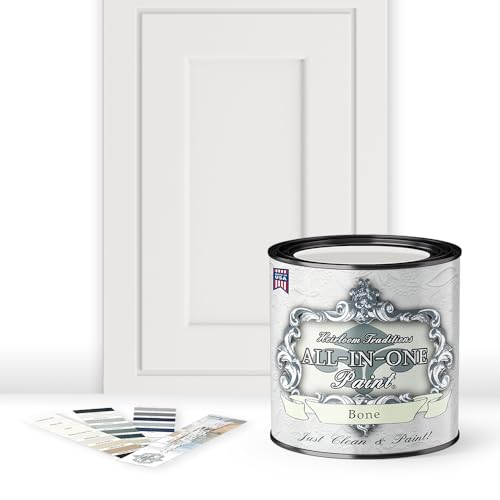


Don’t shy away from adding personal touches–stencils or stamps can create unique designs. Experiment with distressing techniques to give your pieces an aged appearance, perfect for adding character and charm. Embrace creativity in this process and enjoy the transformation of ordinary wood into stunning, personalized items.
Tips for Transforming Your Wooden Creations
Begin by selecting the right surface preparation method. Thoroughly sand the wood to create a smooth base, ensuring adherence of the coloring material. A medium or fine-grit sandpaper works best to eliminate rough areas and splinters.
Opt for a high-quality primer tailored for wood. Apply it evenly to enhance the durability of the final finish. Allow adequate drying time, following the manufacturer’s recommendations.
Choose your desired hue with care. Water-based options are often easier to work with and can be cleaned up effortlessly. For an opaque finish, apply multiple thin layers rather than one thick coat, promoting a smooth application and avoiding drips.
Consider using a spray applicator for detailed areas and a brush or roller for larger sections. This combination helps achieve an even and professional-looking result without brush strokes or uneven textures.
Sealing the surface after the color application is vital for longevity. I prefer water-based polyurethane for a clear protective layer that enhances durability without yellowing over time. Lightly sand between coats of sealer for the best adhesion.
After completion, allow the surfaces to cure fully before heavy use. This ensures that everything is set and can withstand daily wear.
Choosing the Right Type of Paint for Pallet Creations
For outdoor pieces, I recommend using a high-quality exterior latex or acrylic solution. These formulations provide excellent weather resistance and durability, essential for withstanding elements like rain and UV exposure.
For indoor projects, an acrylic or water-based product works wonders. It’s low in volatile organic compounds (VOCs), making it safer for enclosed spaces and promoting better indoor air quality.
Consider your desired finish:
- Matte: Offers a natural look but less durability.
- Satin: Balances sheen and protection, suitable for most applications.
- Glossy: Provides a reflective finish and superior durability, perfect for pieces subject to wear.
When color selection comes into play:
- Light shades: Can brighten up a space but might require multiple coats for full coverage.
- Dark hues: Often provide better hiding power but can fade more quickly in direct sunlight.
- Custom colors: Mixing unique shades can enhance the character of your items.
Don’t overlook specialty options, such as chalk-style solutions for a vintage appearance. These can add texture and depth to your work, creating a unique aesthetic.
For added protection, consider applying a clear sealant after the color coat. This step enhances durability and gives an extra layer against scratches and stains.
Preparing the Surface for Coating
Begin with a thorough cleaning of the wooden pieces to remove dirt, dust, and any grease. A mixture of water and mild soap works well; scrub with a sponge or cloth, paying attention to crevices. Rinse with clean water and allow it to dry completely.
Next, inspect the surfaces for any loose splinters or rough edges. Sand these areas with medium-grit sandpaper to create a smooth texture. This step helps the coating adhere better and enhances the final finish. After sanding, switch to fine-grit sandpaper for a polished feel.
Use a vacuum or a tack cloth to remove the dust created during sanding. Any remnants can lead to uneven coverage, so ensure the surfaces are clean.
If the wood has previously been treated or is particularly porous, consider applying a primer. This seals the wood and prevents any stains or colors from bleeding through the final layer. Choose a primer that matches the type of coating planned for the best results.
Lastly, position the pieces in a well-ventilated area to facilitate drying and avoid contamination during the coating process. Proper preparation is key to achieving a durable and aesthetically pleasing finish.
Selecting Brushes and Tools for a Smooth Finish
For achieving a flawless outcome, choose brushes that suit the type of coating you intend to apply. Thin synthetic bristle brushes are ideal for water-based formulas, as they glide smoothly and provide precision. For oil-based solutions, opt for natural bristle brushes, which hold more product and create a sleek finish.
Recommended Tools
- <strong.Flat Brushes: Great for even strokes and coverage on larger surfaces.
- <strong.Angle Brushes: Perfect for corners and intricate areas.
- <strong.Roller Brushes: Efficient for vast areas; choose a short-nap roller for a smooth appearance.
- <strong.Tray: A paint tray is essential for easy access and organization of your medium.
- <strong.Sandpaper: Fine-grit paper is key for smoothing the surface before applying the final layer.
Additional Tools
- <strong.Masking Tape: Helpful in protecting edges and ensuring clean lines.
- <strong.Drop Cloth: Prevents any accidental spills from ruining your workspace.
- <strong.Foam Brushes: Best for applying latex or acrylic finishes with minimal brush marks.
Incorporating a combination of these tools allows for versatility and precision throughout the task. Prioritize quality materials to minimize the chance of streaks and ensure an even application. Always start with a test area to identify the best technique and tools for your specific project.
Applying Primer to Enhance Adhesion
I always opt for a high-quality primer to prepare the surface before any application. This step is instrumental in ensuring that the final layer adheres properly and maintains durability over time.
Select a stain-blocking primer, especially if the wood has visible knots or imperfections. This type prevents bleed-through and promotes a uniform finish. Make sure to apply it evenly with a brush or roller, paying close attention to corners and edges.
Allow the primer to dry completely before proceeding to the next phase. This can take anywhere from one to four hours, depending on the product used. A light sanding after priming can improve the texture, creating a smoother base for color application.
In humid conditions, consider using a primer designed to combat moisture, which will help in maintaining the integrity of the surface. Always read the manufacturer’s instructions for specific drying times and application techniques relevant to the primer you choose.
Techniques for Achieving an Even Coat on Your Wooden Creations
For a uniform finish, I recommend using a spray applicator. This method allows for consistent coverage without brush marks, particularly in intricate areas. Maintain a distance of about 12 inches from the surface while applying to avoid drips and pooling.
Stir the material thoroughly before use. A well-mixed formula ensures all components are evenly dispersed, reducing the chance of streaks. Testing on a scrap piece allows me to see the drying effect and adjust my technique accordingly.
Adopting the “W” or “M” pattern works wonders. This motion offers better coverage as it reduces the likelihood of streaks. I ensure to overlap each stroke slightly to create a seamless transition.
Thin, multiple layers yield far superior results compared to a single thick coat. I allow sufficient drying time between applications, which leads to better adhesion and a durable finish.
Using a foam roller for large surfaces is also a practical choice. It minimizes bubbles and creates a smooth texture. I finish edges and corners with a brush to ensure every area is adequately covered.
Regular cleaning of my tools during the process is crucial. This prevents dried residues from affecting the next layer’s application. I find that rinsing brushes and rollers frequently maintains their effectiveness and longevity.
Adding Multiple Coats: When and How to Do It
Applying additional layers enhances durability and finish. I typically wait for the first application to dry completely before evaluating if another coat is needed. Thorough drying usually takes 1-4 hours, but this can vary based on environmental conditions.
Assess the surface after the first coat. I look for areas that need more coverage or intensity of color. If the base layer appears patchy or doesn’t reflect the desired shade, a second application is warranted.
For optimal results, use the same technique as the initial application. A light, even pressure with my brush or roller helps prevent streaking. I also ensure proper ventilation to speed up the drying process between coats.
Here’s a quick reference table for applying multiple layers:
| Coat Number | Drying Time (hours) | Application Tip |
|---|---|---|
| First | 1-2 | Light, even strokes for coverage |
| Second | 2-4 | Check for evenness; avoid thick applications |
| Third | 4-6 | Same method; ensures lasting finish |
If third or more layers are applied, I usually take a more cautious approach to evaluate the finish before proceeding. Patience is key–waiting for each coat to cure properly leads to better results.
Finishing Touches: Sealants and Topcoats for Durability
For long-lasting protection, I always apply a high-quality sealant after the base layer has completely dried. Products like polyurethane or water-based acrylic sealers offer excellent durability against scratches and moisture. It’s essential to choose a sealant compatible with the underlying layer for optimal adhesion and performance.
Application Tips
Before applying a sealant, ensure the surface is clean and free from dust. Using a wide brush or a roller allows for even coverage. I typically apply at least two thin coats, allowing adequate drying time between each application, as this enhances the protective layer without adding too much thickness.
Final Thoughts
For outdoor items, consider using a UV-resistant product to minimize fading from sunlight exposure. Regular maintenance, such as reapplying the topcoat every couple of years, ensures that the treated surfaces remain looking fresh and intact.
Maintenance Tips for Preserving Painted Pallet Creations
Regular cleaning is key. Use a soft, damp cloth to wipe surfaces, avoiding abrasive materials that could scuff finishes. For stubborn stains, a mild soap solution can help; make sure to rinse and dry thoroughly afterward.
To maintain a uniform look, apply a gentle wax or soft polish every few months. This not only enhances gloss but also provides an extra layer of protection against scratches and spills.
Avoid placing items directly on surfaces without coasters or mats. This simple step prevents moisture and heat damage, preserving the finish’s integrity.
Store pieces in a dry, shaded area to avoid fading from direct sunlight. If outdoor use is necessary, consider UV-resistant coatings to minimize sun damage.
Inspect joints and fasteners periodically to ensure stability. Tighten any loose screws or bolts to prevent structural issues over time.
Consider using furniture sliders if moving items frequently. This prevents scratches and damages to both the furniture and flooring.
For touch-ups, use leftover paint to address minor chips or scratches immediately. This proactive approach will keep your creations looking fresh and well-maintained.
FAQ:
What type of paint is best for pallet furniture?
When painting pallet furniture, it’s advisable to use acrylic or latex paint. Both types provide good coverage and durability. Acrylic paint dries quickly and is water-resistant, making it suitable for indoor and outdoor furniture. Latex paint, on the other hand, is easy to clean up and typically has less odor, which can be a consideration for indoor projects. For added protection, a clear sealant or topcoat can be applied after the paint has dried.
How should I prepare pallet furniture before painting?
Preparation is key for achieving a smooth finish on pallet furniture. Start by cleaning the surface thoroughly to remove dirt, dust, and grime. Next, sand any rough areas to ensure proper paint adhesion. If the wood is treated, it’s a good idea to use a primer designed for slick surfaces. Allow the primer to dry completely before applying your first coat of paint. Lastly, ensure the furniture is in a well-ventilated area to facilitate drying and application.
Can I use spray paint on pallet furniture?
Yes, using spray paint on pallet furniture is a viable option. Spray paint can provide a smooth and even coat, ideal for intricate areas. However, it’s important to apply several thin coats rather than one thick coat to avoid drips. Additionally, use spray paint in a well-ventilated area and protect your surroundings with drop cloths or newspaper. Choose a paint specifically designed for wood surfaces for best results.
How long does the paint take to dry on pallet furniture?
The drying time for paint on pallet furniture can vary based on the type of paint used and environmental conditions. Generally, latex paint dries to the touch within an hour, but it’s best to wait at least 4-6 hours before applying a second coat. Acrylic paint usually takes similar amounts of time. Complete curing can take several days, so it’s advisable to avoid heavy use of the furniture until it’s fully dried and cured.
What finishing techniques can enhance the appearance of painted pallet furniture?
There are various finishing techniques you can use to enhance painted pallet furniture. Distressing is popular for a vintage look; it involves lightly sanding the edges after painting to reveal the wood beneath. Adding a clear wax or polyurethane topcoat can give depth and protect the paint job. Alternatively, using a sponge or cloth to apply a glaze can add texture and richness to the color. Each technique can create a unique finish, so consider your desired style before deciding.
What materials do I need to paint pallet furniture?
To successfully paint pallet furniture, you will need several materials. First, gather your pallets, of course, and ensure they are clean and free of any debris. Then, procure sandpaper or a sanding block to smooth the surfaces. A primer is recommended to prepare the wood and help the paint adhere better. For painting, select a suitable outdoor or indoor paint, depending on where the furniture will be placed. Finally, you will need brushes or rollers, a drop cloth to protect your work area, and some sealant to finish the job and protect your furniture from the elements.
Can I use any type of paint on pallet furniture?
When it comes to painting pallet furniture, not all paints are equal. It’s advisable to use latex or acrylic paint, as these types are typically more durable and easier to clean up with water compared to oil-based paints. If your furniture will be exposed to outdoor elements, selecting an outdoor-specific paint that is resistant to weather conditions is wise. For a more rustic look, chalk paint can also be a good option, as it adheres well to wood without requiring extensive prep work. Always remember to read the label for any specific instructions or recommendations regarding surface preparation and application.