Caleb Turner

For a successful redo, selecting the right type of coating is critical. I recommend using a high-quality acrylic or water-based finish for a smooth and durable result. These options dry quickly and emit fewer odors, making them ideal for indoor projects.
Before starting, ensure proper preparation of the surfaces you plan to refresh. Clean each piece thoroughly to remove dust and oils, then lightly sand the surfaces to promote adhesion. This step is vital to achieve a long-lasting appearance.
Apply a primer designed for the material of your piece, as this enhances coverage and durability. Once the primer has dried, gradually apply your chosen color with a brush or roller, working in thin, even layers for an impeccable finish. Patience during this phase will pay off with a polished look.
Quick Tips for Revamping Your Space
Choose high-quality primer to ensure good adhesion and coverage. I prefer a primer formulated for the specific material, whether it’s wood, laminate, or metal. Apply a thin, even coat using a brush or roller, and let it cure fully according to the manufacturer’s instructions before applying any decorative layer. This step significantly enhances durability and finish quality.



Surface Preparation
Proper preparation is critical. Clean the surfaces thoroughly to remove dust and grease. Sand lightly to create a smooth base, and fill in any imperfections with wood filler or caulk as needed. Always wipe down with a damp cloth after sanding to eliminate particles that may interfere with adhesion.
Choosing Your Finish
Select a finish that aligns with your style preference and wearability demands. For a glossy look, choose enamel-based products, while a matte finish adds a soft touch to your decor. Test the color on a small, inconspicuous area first to ensure satisfaction before committing to the entire piece.
Choosing the Right Type of Paint for Furniture
For a successful transformation, I recommend using either acrylic latex or chalk varieties. Acrylic latex is water-based, dries quickly, and provides excellent durability and adhesion, ideal for various surfaces. Chalk options offer a matte finish and are perfect for achieving a vintage look but may require additional sealing for durability.
When selecting, consider the sheen level. Satin finishes provide a subtle glow, while eggshell offers a smoother texture with slight sheen. A glossy finish is easier to clean, making it suitable for high-traffic items, while a matte finish can hide imperfections but is less forgiving in terms of maintenance.
I advise checking product labels for low VOC content, especially for indoor environments, as this ensures healthier air quality. If you’re considering a spray option, choose one designed specifically for furniture to avoid issues like peeling or chipping.
Taking the time to select the correct type ensures the longevity and aesthetic appeal of the finished piece, aligning your vision with functionality.
Preparing the Furniture Surface for Painting
Clean the piece thoroughly using a mixture of warm water and mild soap. This removes dirt and grease, which can affect adhesion later. After cleaning, dry the surface completely with a soft cloth.
Remove any existing finish with a chemical stripper or sandpaper. If opting for sandpaper, I typically use 120-grit followed by 220-grit to ensure a smooth surface. Ensure all dust is wiped away using a damp cloth.
Fill in any scratches or dents with a wood filler. Once it dries, sand it smooth to match the surrounding area. Prime the piece if necessary, especially for lighter colors, using a bonding primer to enhance adhesion.
Mask off any areas not being treated with painter’s tape. This protects surfaces from accidental coating and ensures clean edges. Make sure the environment is well-ventilated during this process.
Perform a final inspection to confirm that the surface is ready for the next steps of the project. Proper preparation reduces the chances of peeling and ensures a professional-looking finish.
Gathering Necessary Tools and Supplies
To successfully refresh your decorative pieces, obtaining the right tools and materials is crucial. Here’s what I recommend gathering:
- Sandpaper: Fine-grit for smoothing surfaces and preparing them for the finish.
- Primer: A quality primer suitable for the material of your items to ensure proper adhesion.
- Topcoat: Choose between water-based or oil-based options, tailored to your desired finish.
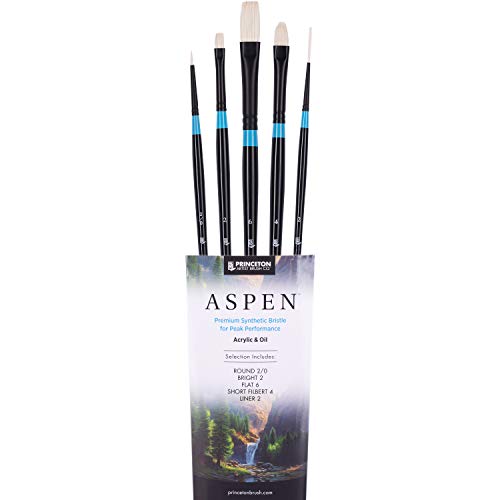
- Brushes: A variety including a high-quality angled brush for corners and a foam roller for flat surfaces.
- Drop cloths: Protect the work area from spills and drips.
- Masking tape: For clean lines and protecting hardware or non-painted areas during the process.
- Screwdriver: To remove handles, knobs, and any other hardware before starting.
- Clean cloths: To wipe down surfaces prior to applying materials.
- Paint tray: Useful for holding larger amounts of liquid and easy access during application.
- Safety gear: Masks and gloves to protect against fumes and spills.
Having these items on hand will streamline your transformation process and yield professional results. Prioritize selecting high-quality supplies to ensure longevity and appearance.
Executing Proper Priming Techniques
Before applying a finish, I always ensure to prime the surface effectively. First, I opt for a high-quality primer suitable for the material of the piece. For wooden items, I choose an oil-based primer, while for laminates and veneers, I select a bonding primer to ensure adhesion.
Next step involves thorough sanding. I gently sand the entire surface using a fine-grit sandpaper to create a texture for the primer to grip. This also helps eliminate imperfections and promotes a smoother outcome. After sanding, I wipe down the surface with a damp cloth to remove dust particles completely.
Application Techniques
Using a foam roller or brush, I apply a thin, even layer of primer, avoiding heavy applications that could lead to drips or uneven coverage. I pay special attention to corners and edges, ensuring full coverage. Once the first coat dries, I lightly sand the surface again with fine-grit paper. This step enhances the smoothness and helps the next layer of primer adhere well.
After the second coat, I make sure it’s completely dried before moving onto the next phase. This diligence not only enhances the durability of the finish but also ensures a professional appearance.
Final Touches
I also keep in mind the environmental conditions while priming. Temperature and humidity can affect drying times, so I always check the manufacturer’s guidelines for optimal results. Doing so has consistently yielded impressive transformations and prolonged the life of my projects.
Selecting the Right Brush and Roller for Your Project
I prioritize precision and finish quality while choosing tools. For intricate areas, a small, angled brush with synthetic bristles works best, especially for achieving clean lines and details. If the surface is large and flat, a roller with a medium nap provides an even application, avoiding drips and ensuring coverage.
Brush Types
Synthetic brushes are ideal for water-based solutions, providing smooth results without leaving streaks. A 1.5- to 2-inch brush is versatile for most tasks, helping me navigate corners and edges effectively.
Roller Selection
For rollers, I select the nap length based on the existing texture. A ¼-inch nap is suitable for smooth surfaces, while a ¾-inch or thicker nap works wonders on rough textures, allowing the coating to fill in imperfections.
| Tool | Best Use |
|---|---|
| Synthetic Brush (1.5-2 inches) | Detailed work and edges |
| Angled Brush | Precision work on intricate detailing |
| Roller (1/4 inch nap) | Smooth surfaces |
| Roller (3/4 inch nap) | Textured surfaces |
I also keep an assortment of foam rollers on hand for achieving a flawless, glossy finish, especially when applying high-gloss or semi-gloss coatings. Utilizing a combination of these tools based on surface type ensures both efficiency and high-quality outcomes.
Avoiding Common Mistakes During Application
Pay close attention to your technique. Avoid applying a thick layer of color at once, as this can lead to drips and an uneven finish. Instead, use multiple thin coats, allowing each layer sufficient drying time before adding the next. This method ensures a smooth surface and enhances durability.
Surface Inspection
Before reaching for the brush or roller, thoroughly examine the surface for imperfections. Fill in any cracks or holes with wood filler and sand smooth. Neglecting this step may result in flaws becoming visible after the finish is applied, ruining the overall look.
Environment Control
Temperature and humidity play crucial roles in how the finish sets. Ensure you’re working in a well-ventilated area that maintains a consistent temperature. Avoid high humidity levels, as they can prolong drying times and affect adhesion. Checking the weather forecast before starting can save you from a frustrating experience.
Understanding Drying Times and Curing Processes
For optimal results, it’s crucial to grasp the drying and curing stages of your applied layer. Allowing sufficient time between applications ensures durability and a polished finish.
- Drying time: This is the period needed for the surface to dry enough for light handling. Surface dry times typically range from 30 minutes to a few hours, influenced by factors such as temperature, humidity, and ventilation.
- Tack-free time: The interval until no residue transfers to your finger when lightly touched. This usually occurs shortly after drying but can vary based on environmental conditions.
- Curing time: This phase can be longer, needing several days to weeks. During curing, the molecular structure of the coating strengthens, improving adhesion, durability, and resistance to wear.
Be mindful that thicker layers may require extended drying and curing durations. For best adhesion and finish, I suggest waiting at least 24 hours before applying additional coatings, especially if you’ve used an oil-based variant. Follow the manufacturer’s guidelines for specific recommendations, as certain products may have unique requirements.
Patience plays a key role. Rushing the process often leads to flaws like peeling or bubbling in layers. Choosing an appropriate curing environment, away from excessive moisture and direct sunlight, also aids in achieving a robust finish.
- Always test in a small area to evaluate the drying and curing timeline for your specific conditions.
- Set proper expectations; a freshly applied surface may look great immediately, but it needs time to achieve maximum durability and aesthetic appeal.
By understanding these timelines, I can ensure that the results are not only visually appealing but also long-lasting.
Applying a Protective Finish After Painting
Choosing a clear topcoat can significantly enhance the durability and appearance of your newly coated piece. I typically opt for water-based polyurethane for ease of use and low odor. It dries clear and offers excellent protection against scratches and stains.
Before applying the finish, ensure the surface is completely dry and free of dust. Lightly sand the surface with fine-grit sandpaper, which helps the finish adhere better. Wipe away any dust with a damp cloth.
Application should be done using a high-quality synthetic brush or a foam applicator. I recommend a thin, even coat to avoid drips, and I prefer to work in sections for better control. Follow the manufacturer’s instructions regarding the number of coats and drying times.
Allow adequate time between each layer. Generally, two to three coats are ideal for optimal durability, adjusting based on the intended use of the item. Always sand lightly between coats to ensure a smooth finish.
| Type of Finish | Drying Time | Coats Recommended |
|---|---|---|
| Water-Based Polyurethane | 2 hours | 2-3 |
| Oil-Based Polyurethane | 8 hours | 2-3 |
| Shellac | 30 minutes | 1-2 |
After the final coat, allow it to cure fully before using the item. Patience is beneficial; a couple of weeks may be required for maximum hardness and durability.
Maintaining Your Newly Painted Furniture
To ensure longevity, I regularly clean my surfaces with a damp cloth to remove dust and dirt. Avoid using harsh chemicals that could damage the finish.
Here are specific actions I take:
- Dust weekly to prevent buildup.
- Use mild soap and water for deeper cleans, then dry thoroughly.
- Avoid excessive moisture; wipe up spills immediately.
Applying coasters or placemats is essential to protect against scratches and heat damage. I also refrain from placing heavy objects directly on the surface, as this can lead to dents or warping.
Reassessing the protective coating every year is important. If I notice wear or scratches, I lightly sand the affected area and reapply a top coat to restore the sheen.
Altering the location of the piece periodically helps in even wear from sunlight exposure, preventing fading or discoloration.
These practices keep my refreshed items looking vibrant and new for years to come.
FAQ:
What type of paint should I use to repaint bedroom furniture?
For bedroom furniture, it’s best to use either acrylic latex paint or chalk paint. Acrylic latex paint is durable and easy to clean, making it suitable for furniture that will see regular use. Chalk paint, on the other hand, offers a matte finish and is great for achieving a vintage look. Make sure to choose paint that is specifically designed for furniture or cabinetry to ensure better adhesion and durability.
Do I need to sand the furniture before painting it?
Yes, sanding is an important step in preparing your furniture for painting. It helps to create a smooth surface, allowing the paint to adhere better. If the furniture has a glossy finish, sanding will help remove that sheen. For best results, use fine-grit sandpaper and gently sand the entire surface. After sanding, clean the dust off with a damp cloth to ensure proper adhesion of the paint.
How can I achieve a smooth finish when painting furniture?
To achieve a smooth finish, start by using high-quality paint and tools. Apply paint using a foam roller or a high-quality brush designed for smooth finishes. For the best results, use thin coats rather than one thick coat, allowing each layer to dry fully before applying the next. This method reduces drips and gives a more polished look. Lastly, lightly sand between coats for added smoothness.
Is it necessary to use a primer before painting furniture?
Using a primer is often recommended, especially if you are painting over a dark or stained wood. A good primer will not only improve paint adhesion but also prevent staining or bleed-through from the old finish. If you are using chalk paint, a primer may not be necessary since it adheres well to most surfaces. However, if the furniture has a glossy finish, priming will help create a better surface for the paint.
How long does it take for painted furniture to dry completely?
The drying time for painted furniture can vary based on the type of paint used and environmental conditions. Generally, latex paint dries to the touch within one to two hours, but it can take up to a week to fully cure. Chalk paint tends to dry faster, but it’s still wise to allow it to set for a couple of days before heavy use. Always check the manufacturer’s instructions for specific drying times and recommendations.
What steps should I follow to properly paint over bedroom furniture?
To effectively paint over bedroom furniture, follow these steps: First, gather necessary supplies, including sandpaper, primer, paint, brushes, and a drop cloth. Clean the furniture thoroughly to remove dust and grease. Sand the surface lightly to create a rough texture for better paint adhesion. If the furniture has a glossy finish, it’s crucial to sand it down well. Next, apply a primer suited for the material of your furniture. This step helps the paint adhere better and ensures an even color. Once the primer is dry, choose your paint—latex or chalk paint works well for most bedroom furniture—and apply it with a brush or roller. It’s best to apply multiple thin coats rather than one thick coat to prevent drips and ensure smoother coverage. Allow each coat to dry completely before adding the next one. Finally, finish with a topcoat if desired for added durability and shine.