
 Caleb Turner

To transform a weathered piece into a stunning highlight of your decor, start with a good-quality primer. Choose a bonding primer formulated for slick surfaces and apply a thin coat to ensure proper adhesion. This step is crucial; it creates a solid foundation for subsequent layers.
Once the primer has dried, opt for a durable top coat that can withstand wear and tear. Select a color that complements your space. I recommend using a matte or satin finish for a sophisticated look. Apply this layer with a foam roller for an even application, ensuring you cover every inch.
After finishing with the desired number of coats, allow ample time for curing. This phase is vital for achieving longevity in your newly refreshed pieces. Keep the items in a dry, well-ventilated area to facilitate the drying process while maintaining optimal aesthetics.
Tips for Transforming Weathered Surfaces
Utilize a high-quality primer designed for challenging surfaces. This adhesive base creates a solid foundation for the subsequent layer, ensuring durability and adherence. Look for primers that specify compatibility with untreated surfaces for optimal results.
Choosing the Right Coating
Select a finish that allows flexibility. Acrylic or chalk-based formulations are preferable for achieving a smooth, even coat without the hassle of abrasive preparation. These types offer rich colors and excellent coverage with minimal application effort.



Application Techniques
Employ foam rollers or brushes to apply the primer and topcoat. These tools provide even distribution and help avoid streaks. For detailed areas or intricate designs, a small brush or a sprayer can enhance precision. Always work in thin layers, allowing adequate drying time between applications to achieve a polished final appearance.
Choosing the Right Paint for Wood
I recommend selecting a water-based, acrylic formula specifically designed for application on porous surfaces. These coatings adhere well and provide durability without the lengthy prep work. Look for products labeled as self-priming; they bond directly to the existing finish, enhancing longevity.
Color Options and Finishes
Opt for shades that will complement your space, considering both matte and glossy finishes. A satin sheen enhances the texture of the surface while providing a subtle glow. For bolder effects, consider using tinted products that can highlight character and grain patterns of the material.
Eco-Friendly Choices
If sustainability is a priority, explore low-VOC or zero-VOC alternatives. These formulations are safer for indoor use, minimizing harmful emissions while still offering excellent coverage and color retention. Verify regulatory certifications to ensure compliance with environmental standards.
Preparing the Surface for Painting
Thoroughly clean the piece using a mixture of warm water and mild detergent. A soft cloth or sponge works well to remove dirt, grease, and residue. Ensure you rinse with clean water to avoid any soap left behind, which could interfere with adhesion.
Once the surface is dry, I recommend applying a quality degreaser, especially on any areas with built-up oils or stains. This step is crucial for achieving a lasting bond.
Next, inspect for imperfections like cracks or holes. Fill them with a suitable wood filler, ensuring it’s smooth and flush with the surrounding area. After it dries, sand it lightly with fine-grit paper for a seamless finish.
To enhance adhesion, consider using a bonding primer. Apply it evenly, focusing on any areas that might be particularly glossy or detailed. Allow sufficient drying time as per manufacturer’s instructions before proceeding.
Lastly, wipe the surface using a tack cloth to remove any dust or particles, ensuring a pristine starting point for the upcoming finish.
Using a Primer for Better Adhesion
I recommend applying a high-quality primer specifically designed for non-porous surfaces. This helps create a strong bond between the existing finish and the top coating. Look for an adhesive primer that can grip slick surfaces effectively.
Prior to application, ensure that the item is clean and free from grease or dust. Use a mild detergent solution for this purpose, followed by a thorough rinse and drying. Once the surface is prepped, use a brush or roller to evenly spread the primer. Aim for a thin, even coat to avoid drips.
Allow the primer to dry completely, typically for at least a few hours, or as specified on the product label. This step is crucial, as it significantly enhances the paint’s ability to stick and ensures a durable finish.
If you’re working on a piece with stains or potential bleed-through, consider using a stain-blocking primer. This additional barrier protects against discoloration from the underlying material.
Finally, after the primer has cured, you can proceed with your chosen topcoat, confident that your project will adhere well and last longer.
Selecting the Appropriate Brushes and Tools
For achieving a smooth finish, I opt for synthetic-bristle brushes, which are perfect for working with water-based formulas. They hold more paint and help minimize visible brush strokes. Flat brushes are my go-to for large surfaces, while angled brushes allow for precision in corners and detailed areas.
Rollers and Foam Applicators
When I need to cover larger areas quickly, I use a short-nap roller. This tool applies a consistent layer on flat surfaces and reduces the risk of drips. For intricate details or textured surfaces, foam applicators excel, providing an even application while reaching crevices effectively.
Additional Tools
Don’t forget a paint tray for easy access to your materials. If I need to switch colors or take a break, I cover the brush with plastic wrap to keep it moist. A clean cloth is also handy to wipe off excess paint or for quick touch-ups. Including these tools in my kit streamlines the entire process of refreshing my pieces.
Applying Paint: Techniques and Tips
For an even finish, I recommend using a high-quality brush or a foam roller. The latter gives a smooth application and minimizes brush strokes. Be sure to apply thin, consistent layers. Thick applications may lead to drips and uneven surfaces, so patience is key.
It’s crucial to allow each layer to dry completely before applying the next. This step prevents muddiness and helps achieve a clean look. Typically, I wait at least 2-4 hours, depending on the product used and the environmental conditions.
If you aim for a distressed aesthetic, I suggest using a dry brush technique after the final coat is dry. This method involves lightly brushing a contrasting color over edges and raised details, giving the piece character and depth.
Consider using a spray application for intricate designs or those hard-to-reach areas. A spray can allows for an even distribution and faster results, but ensure you follow all safety recommendations, including a well-ventilated area and protective gear.
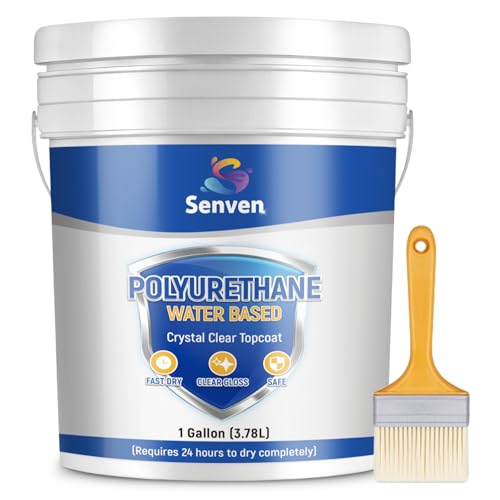
For high-use items, adding a clear topcoat after your layers are applied provides additional protection and durability. I recommend a water-based polyurethane as it dries clear and doesn’t yellow over time.
Finally, don’t rush the process. Taking your time with preparation and application will yield a more professional appearance and extend the longevity of the finish. Enjoy the transformation of your piece!
Dealing with Imperfections in Old Wood
To effectively address flaws, I recommend using a high-quality filler specifically designed for timber. Select a shade that closely matches the hue of your piece to ensure a seamless blend. Apply it generously to cracks, dents, and gouges, smoothing it with a putty knife for an even finish. Allow ample drying time before proceeding.
For surface inconsistencies, consider using a textured roller or sponge to add dimension once the filler is dried and sanded lightly if necessary. This technique cleverly conceals minor imperfections while enhancing visual interest.
When working with heavy discoloration or stains, a stain-blocking primer is my go-to. It not only covers dark spots but also creates an even base for the final coat. Applying it in thin layers aids in better adhesion and uniformity.
If your piece features deep grooves or intricate designs, a paint sprayer may be an excellent tool. It allows for thorough coverage, reaching into every contour without the risk of brush strokes ruining the aesthetic. Practice on cardboard beforehand to perfect your technique.
After the first coat, assess the results carefully. A light touch-up may reveal areas that need additional attention. I always keep a small brush handy for quick fixes where necessary.
Finally, finish with a clear sealer to protect the surface long-term. This step ensures that the previously masked imperfections stay hidden while providing a durable barrier against wear and tear.
Finishing Touches: Sealants and Topcoats
I recommend applying a sealant or topcoat to ensure durability and enhance the finish of your project. Here are some options to consider:
- Acrylic Sealants: These are water-based and offer excellent clarity and flexibility. They dry quickly and are ideal for interior use, providing a protective layer that resists yellowing over time.
- Satin Finishes: A satin topcoat provides a soft sheen, making imperfections less visible while still allowing a nice depth to the color underneath.
- Polyurethane: This offers a robust layer of protection against scratches and stains. Choose a water-based variety for a low odor and quick drying time or an oil-based for increased durability.
- Wax Finishes: For a more natural look, buffing wax onto the surface can give a subtle sheen. This method requires reapplication over time, as wax wears more quickly compared to sealants.
- Shellac: A shellac-based option can provide a rich sheen, but it’s less resistant to moisture compared to other options. It’s a good choice for pieces that won’t be subjected to heavy use.
Before applying any finish, ensure the underlying layer has dried completely. Test the product on a small, inconspicuous area to check compatibility and color impact.
For application, use a high-quality brush or roller to achieve an even coat. Allow adequate drying time between coats, and sand lightly with fine-grit sandpaper if a smoother finish is desired before reapplying.
Regular maintenance will help prolong the life of the topcoat. Keep the surface clean and consider reapplying a fresh layer every few years, depending on wear and tear. This will ensure the piece remains beautiful and functional for years to come.
Maintaining Your Painted Furniture
To extend the lifespan of your revamped pieces, regular cleaning is paramount. Use a damp cloth with mild soap for surface dirt, avoiding abrasive cleaners that can damage the finish.
Routine Care
Establish a routine check every few weeks. Look for any signs of wear and tears. If you notice any scuffs or scratches, promptly address them to maintain the fresh look.
Preventive Measures
Placing coasters under drinks and felt pads under heavy items can prevent scratches and dents. Keep painted surfaces away from direct sunlight to avoid fading and discoloration over time.
| Preventive Action | Reason |
|---|---|
| Use Coasters | Prevents water rings and damage from heat. |
| Felt Pads | Reduces scratching from movable items. |
| Avoid Direct Sunlight | Limits fading and discoloration of colors. |
In case minor chips appear, a touch-up with a matching color can quickly remedy the situation. Always keep leftover paint for these small repairs.
The longevity of your refinished items hinges on these simple practices. Take care, and they will continue to enrich your space for many years to come.
FAQ:
Can I paint old wood furniture without sanding, and how does it work?
Yes, you can paint old wood furniture without sanding. This method involves using a high-quality primer that adheres well to the wood surface. Choosing a bonding primer or a primer specifically designed for glossy surfaces is key, as it will create a strong bond without the need for sanding. After applying the primer, you can follow up with your chosen paint. This approach preserves the wood’s character and reduces labor while still delivering a smooth finish.
What type of paint should I use for old wood furniture?
For painting old wood furniture without sanding, it’s recommended to use latex or chalk paint. Chalk paint adheres well to surfaces without extensive preparation and provides a matte finish that can enhance the vintage look of the furniture. Latex paint also works well if you select the right primer. Both types are easy to clean up and can be used for various projects, allowing for flexibility in achieving your desired aesthetic.
Do I need to clean the furniture before painting it?
Yes, cleaning the furniture is an important step before painting it. Dust, grease, and old polish can affect the paint’s adhesion. Use a mild detergent mixed with water to wipe down the surface, and then rinse with clean water. Make sure to let the furniture dry completely before applying primer or paint. This preparation ensures a smoother application and a more durable finish.
How many coats of paint should I apply for the best results?
Typically, applying two coats of paint yields the best results for old wood furniture. The first coat serves as a base, providing coverage and color depth. Allow the first coat to dry thoroughly before adding the second coat. This layering will enhance the finish and help achieve a solid color without any spots showing through. Be sure to follow the paint manufacturer’s instructions regarding drying time.
Can I skip priming the wood before painting?
While it is possible to skip priming, it is not recommended, especially for old wood furniture. Priming helps seal the surface, providing better adhesion and enhancing the longevity of the paint job. It also prevents stains from bleeding through the paint. If you use a high-quality all-in-one paint that includes primer, you may be able to avoid a separate priming step, but a dedicated primer usually yields better results in terms of durability and finish.
What materials do I need to paint old wood furniture without sanding?
To successfully paint old wood furniture without sanding, you’ll need a few key materials. First, gather a high-quality primer designed for glossy surfaces, as it helps the paint adhere better. Next, select a durable paint suitable for furniture; chalk paint or acrylic enamel are popular choices. You’ll also need a brush or roller for application, as well as some painter’s tape to protect areas you don’t want to paint. Lastly, having a clean cloth handy for wiping down the furniture will ensure that the surface is free of dust and oils.
Can I use any type of paint on old wood furniture, or is there a specific kind I should choose?
It’s recommended to choose paints specifically designed for furniture to ensure longevity and durability. Chalk paint is a popular option because it adheres well without extensive surface prep. Acrylic enamel is another great choice; it’s known for its hard finish and resistance to wear. Avoid using standard wall paints, as they may not adhere properly and can chip easily over time. Always ensure that the paint is suitable for furniture applications to achieve the best results.


