
 Caleb Turner

If you’re aiming for a fresh look on those sleek IKEA items, use the right primer for non-porous surfaces, specifically a shellac-based or oil-based option. These primers adhere well to the smooth laminate finish and create an excellent foundation for color application.
Choose high-quality acrylic or latex paint designed for glossy finishes. This type of paint provides durability and ease of maintenance, making it ideal for everyday use items. A satin or semi-gloss finish adds a touch of elegance while ensuring easy cleaning.
Before starting, ensure the surface is thoroughly cleaned to eliminate dust and grease. Lightly sand the laminate with fine-grit sandpaper to enhance adhesion, followed by wiping it down with a damp cloth. This preparation makes a significant difference in the final outcome.

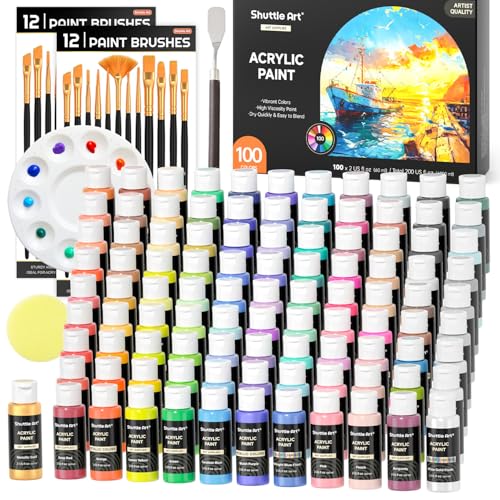
For the actual application, use a foam roller for large areas to achieve a smooth finish. Smaller details, like edges or intricate areas, can be tackled with a high-quality brush. Apply multiple thin layers instead of one thick coat; this technique minimizes drips and promotes a flawless finish.
Transforming IKEA Items with Color
I used a high-quality primer specifically designed for slick surfaces. This step is crucial for good adhesion. I applied it with a foam roller for an even coat, ensuring I covered all edges and corners.
Selecting a durable finish is essential. I chose a satin or semi-gloss variety for a smooth and washable surface. For application, a paint sprayer or a brush recommended for trim work yields professional results. I used long, even strokes to avoid brush marks.
Between coats, I lightly sanded with fine-grit sandpaper. This process promotes better bonding and creates a flawless appearance. I waited the recommended drying time before proceeding to the next layer to ensure longevity.
For added protection after my item fully dried, I applied a clear sealer. This protects the color and adds a subtle sheen. I made sure to choose a sealer compatible with the finish I selected for optimal results.
Lastly, maintaining the surface is simpler with regular cleaning using mild soap and water. This upkeep helps in preserving the new look and functionality of the piece.
Choosing the Right Type of Paint for Laminate
Acrylic latex is my top pick for covering surfaces like these. It adheres well and provides a durable finish, making it ideal for high-use items. Look for products specifically designed for non-porous surfaces to ensure the best grip.
Recommended Paint Types
| Paint Type | Features | Best Use |
|---|---|---|
| Acrylic Latex | Quick drying, easy clean-up | General applications |
| Chalk Paint | Matte finish, less prep needed | Shabby chic looks |
| Oil-Based Enamel | High durability, glossy finish | High-traffic areas |
| Spray Paint | Even coats, fast application | Intricate designs |
Additional Considerations
Always test a small area first to assess adhesion and finish. Remember to use a primer if the surface is particularly slick; it helps improve bonding. Select colors that match or complement your existing décor to enhance aesthetic appeal.
Preparing the Surface for Painting
Thoroughly clean the surfaces I want to transform. I use a mix of mild detergent and warm water to remove dust and grease, then dry completely with a microfiber cloth. This step ensures optimal adhesion.
Sanding
Next, I lightly sand the areas where I’ll apply the new finish. A fine-grit sandpaper (around 220 grit) works best. This creates tiny scratches that help the coating stick better. I always wear a mask to avoid inhaling dust.
Priming
Applying a suitable primer is crucial. I select one specifically designed for slick surfaces. I ensure even coverage and let it dry according to the manufacturer’s instructions. This layer enhances the final color and durability of the topcoat.
- Choose a primer compatible with the final coating.
- Use a quality brush or roller for application to avoid streaks.
- Allow adequate drying time before proceeding.
With these steps completed, the surfaces are ready for a stunning transformation. Careful preparation sets the foundation for long-lasting results.
Step-by-Step Guide to Painting Laminate Furniture
First, select a high-adhesion primer specifically designed for non-porous surfaces. This will enhance the bond between the material and the color finish.
Next, thoroughly clean the item with a degreasing solution, ensuring all dust and residues are removed. A clean surface is critical for optimal adherence of the primer.
Applying Primer
Using a foam roller or a nylon brush, apply a thin, even coat of primer. Allow it to dry completely according to the manufacturer’s instructions. This might take several hours, so patience is key.
After the first coat is dry, lightly sand the surface with fine-grit sandpaper to create a better texture for the color layer. Wipe down the surface with a damp cloth to remove any dust before proceeding.
Topcoat Application
Choose a durable topcoat, such as acrylic or urethane-based. Apply it similarly to the primer: thin layers work best. Allow each coat to dry thoroughly before deciding if a second layer is necessary for the desired finish. Depending on the opacity, two to three coats might be required.
Finally, let the entire piece cure for a few days before regular use. This ensures the layers properly set and enhances durability.
Applying a Protective Finish After Painting
For longevity and durability, I apply a clear protective coat once the color layer has dried completely. Selecting a water-based polyurethane is my go-to choice, as it dries quickly and provides a strong barrier against scratches and stains.
I typically use a synthetic brush to avoid leaving bristles behind. It’s important to apply thin, even coats; I often use two to three layers for extra protection. After each coat, I lightly sand the surface with fine-grit sandpaper once it’s fully dry. This step enhances adhesion and ensures a smooth finish.
Between each application, I allow adequate drying time according to the product guidelines. Once the final coat is applied, I let it cure for a couple of days to achieve maximum hardness. This not only enhances the sheen but also ensures the surface is resilient against daily wear and tear.
Ventilation is key. I always work in a well-ventilated area or use a fan to help disperse any fumes. After the project is complete, I keep the piece undisturbed for at least a week to allow the finish to fully set. This practice prevents disturbances and ensures the finish remains intact during regular use.
Tips for Achieving a Smooth and Even Finish
Wipe the surface with a damp cloth to remove dust and debris before commencing any work. This ensures a clean canvas and promotes better adherence of the coating.
Opt for a high-quality primer specifically designed for non-porous surfaces. A good primer helps the subsequent layers to stick better and evens out the texture.
Utilize a foam roller or a sprayer for application. These tools minimize brush strokes and create a more uniform look than traditional brushes.
Apply thin layers rather than a thick coat. Multiple thin applications will dry faster and promote a more consistent finish while reducing the risk of drips and bubbles.
Allow ample drying time between each coat. This is critical; premature reapplication can lead to peeling or uneven surfaces.
Keep the workspace well-ventilated to aid the drying process and prevent moisture from affecting the finish.
After achieving the desired coverage, lightly sand with fine-grit sandpaper. This step eliminates imperfections and enhances the smoothness before the final layer.
Consider applying a topcoat to protect the finish and add durability. This not only preserves the appearance but also makes cleaning easier.
Common Mistakes to Avoid When Painting Laminate
Avoid rushing the preparation phase; it’s crucial for long-lasting results. Skipping sanding, even lightly, can result in poor adhesion. Always clean the surfaces thoroughly to remove dust and grease.
- Using the wrong type of primer can lead to peeling or bubbling. Choose a bonding primer designed for non-porous surfaces.
- Applying heavy coats will cause drips and uneven texture. Thin, multiple coats produce a smoother finish.
- Ignoring drying times is a recipe for disaster. Follow the manufacturer’s recommendations for both paint and primer.
- Not testing a sample before full application could lead to unforeseen color issues. Test in a small, inconspicuous area.
- Omitting a protective top coat may leave the surface vulnerable to scratches and stains. Always seal the finish.
Stay consistent with the tools. Using the wrong brush or roller can create texture that isn’t desired. Always opt for high-quality tools that fit the specific type of coating used.
Neglecting ventilation during the process can result in an unpleasant workspace. Proper airflow minimizes fumes and enhances the drying process.
Lastly, don’t forget about repair work. Inspect for scratches or chips before starting and address any minor blemishes to ensure a flawless outcome.


