
 Caleb Turner

I recommend selecting a high-quality primer specifically designed for surfaces that require durability and longevity. Priming not only enhances adhesion but also creates a smoother base for subsequent layers. Ensure you apply an even coat and allow sufficient drying time before proceeding with additional steps.
Choosing the right hue is critical. Opt for a base shade that closely mirrors the undertones of the desired timber type. For instance, if aiming for oak, a warm beige or light brown serves as an excellent foundation. After the base is set, layer with a colored wash to further deepen the appearance of grain and texture.
Utilizing a technique known as dry brushing will add dimension. Dip a brush lightly into your chosen stain, then remove excess on a cloth before applying it to the surface. This method enables you to build up a rich wood-like finish gradually, allowing for greater control over the final appearance. Remember to blend well to avoid harsh lines.


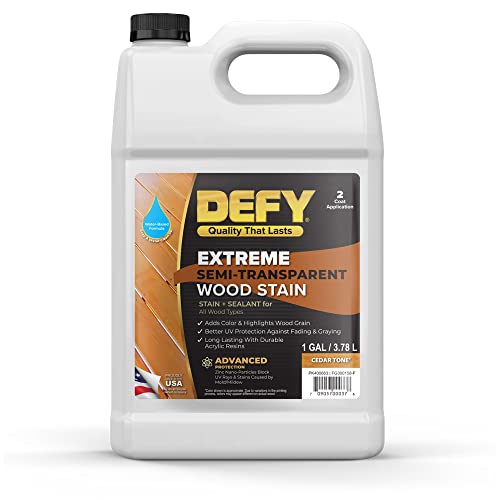
To mimic grain patterns, employ a graining tool or a simple rag. With these tools, you can create fine lines and swirls that resemble authentic wood. Experimenting with various pressures and strokes will yield different results, so practice on a scrap piece first.
Finish with a protective clear coat that seals and enhances the finish. Select a matte or satin varnish, depending on the desired sheen. Apply multiple thin coats for optimal durability, allowing each layer to cure thoroughly before adding the next.
Creating a Wood-Like Finish
I recommend beginning with a primer that provides good adhesion – this will ensure a solid base for the subsequent layers. Use a quality paintbrush or foam roller to apply a base coat, ideally in a light brown or beige shade, to mimic the undertone of real timber. Allow it to dry completely before proceeding to the next step.
Texturing Techniques
To replicate the grain patterns of actual timber, consider using a wood grain tool or a simple rag. Apply a darker shade of your color scheme while the base layer is still slightly tacky. Gently drag the tool or rag through the paint, creating streaks that resemble natural grains. Test this technique on a scrap piece before working on the piece itself to achieve the desired effect.
Finishing Touches
Once the textured paint has dried, seal the finish with a clear topcoat to enhance durability and add a soft sheen. A satin or semi-gloss finish will provide a more authentic appearance. Be sure to lightly sand between coats to improve adhesion and create a smoother final texture. Adopting these strategies will elevate the resemblance to genuine timber and enhance the overall aesthetic of your piece.
Selecting the Right Paint and Tools
I recommend choosing an acrylic or chalk-based formulation for achieving a convincing timber appearance. These options provide a matte finish that mimics the texture of real grain.
Types of Paint
- Acrylic Paint: Water-based, quick-drying, and easy to clean. Ideal for indoor surfaces.
- Chalk Paint: Offers a velvety texture and exceptional adhesion. Suitable for creating a vintage feel.
- Wood Stain: Emphasizes the natural grain while adding color. Consider gel stains for more control.
Essential Tools
- Paint Brushes: Use high-quality synthetic brushes for smooth application, especially for intricate details.
- Foam Rollers: Perfect for larger surfaces, providing an even coat without brush strokes.
- Sandpaper: Various grits (120 to 220) are crucial for preparing surfaces and achieving a realistic finish.
- Primer: Select a bonding primer to ensure that the color adheres well to the surface.
- Sealer: A clear coat protects the finish, enhancing durability and sheen.
Investing in these specific materials and instruments significantly impacts the final outcome and longevity of your project.
Preparing the Surface for Best Results
Thoroughly clean the item to remove dust, grease, and residue using a mixture of warm water and mild soap, then dry with a clean cloth. For best adherence, lightly sand the surface with fine-grit sandpaper (220-grit works well) to create a smooth texture that helps the material grip better.
Repair Imperfections
Inspect for any dents, scratches, or imperfections. Fill these areas with wood filler or appropriate filler for non-wood surfaces, following the instructions for drying and curing times. Once dry, sand the filled areas to ensure they blend seamlessly with the surrounding surface.
Priming the Base
Applying a primer is beneficial, as it promotes adhesion and provides a consistent base tone. Choose a primer suitable for the material. Apply with a brush or roller, ensuring even coverage. Let it cure completely before proceeding; this step significantly impacts the final appearance.
After priming, a light buffing with a fine sanding pad can enhance adhesion for subsequent layers. Always ensure proper ventilation in your workspace to facilitate drying and maintain air quality.
Choosing the Right Technique for Wood-Like Finish
For achieving an authentic grain appearance, I recommend the faux grain technique, which involves using a combination of brushes and rags to create texture that mimics real timber.
First, select a basecoat that resembles the desired shade of lumber. Allow adequate drying time before applying a contrasting glaze or wash. This step is crucial for developing depth and variation.
Using a dense brush or a wood graining tool, apply the glaze with a light hand, dragging it across the surface. Experimentation is key–try various patterns and pressures until achieving a satisfactory effect.
For finer details, consider using a small sponge or a specialized comb tool to create knots and imperfections, enhancing realism. The final step involves sealing the project with a clear coat, which not only protects but also enriches the visual appeal.
For larger surfaces, I find the roller technique can be effective for even coverage, followed by manual detailing with a brush for added grain effects. Practicing on scrap material before tackling the main piece is invaluable for confidence and refinement.
Each method may yield different outcomes depending on factors such as the base finish, application technique, and finishing product used. Pay attention to the drying times and layering; patience is essential for achieving a polished, wood-like ambiance.
Applying Stains and Glazes for Authenticity
Using stains and glazes can add depth and dimension to your project. I recommend starting with a high-quality wood stain for a rich base layer. Choose a color that mimics the specific species of timber you want to replicate, such as oak or walnut. Apply it using a brush or cloth, ensuring even coverage. Wipe off the excess quickly to prevent blotchiness, allowing it to dry thoroughly before proceeding.
Selecting the Right Finish
After staining, a glaze can enhance the appearance further. Select a glaze that contrasts subtly with the stain. I suggest using a water-based glaze for easy application and cleanup. Apply it with a dry brush technique, lightly applying in the direction of the grain to accentuate texture. For added realism, consider layering different shades of glaze, working from darker to lighter tones to create natural variations.
Tips for Achieving Realistic Effects
For a more authentic finish, consider mixing stains and glazes with a small amount of clear coat for added durability. Experiment with different applicators, such as foam brushes or rags, to find the method that works best for your desired texture. Remember, practice on scrap wood can help fine-tune your technique before treating the main piece.
Sealing and Protecting Your Painted Furniture
To ensure durability and maintain the aesthetic appeal, apply a protective layer over your crafted surfaces. Choose a clear topcoat, such as polyurethane or a water-based sealant, for a robust finish. Lightly sand your piece once the last coat dries to guarantee adhesion of the sealant.
Application Techniques
Utilize a foam brush or a high-density roller for even application. Apply thin coats rather than one thick layer to avoid runs and drips. Allow adequate drying time between each coat, generally 2-4 hours for water-based options and 24 hours for oil-based varieties. Aim for at least two to three coats on areas susceptible to wear, such as tabletops and drawer fronts.
Care and Maintenance
Regularly clean surfaces with a soft, damp cloth and mild soap to prevent buildup. Avoid harsh cleaners that could damage the protective layer. If signs of wear become apparent, lightly sand the affected area and reapply the sealant to restore its protective qualities.
| Sealant Type | Drying Time | Coat Recommendation |
|---|---|---|
| Water-based Polyurethane | 2-4 hours | 2-3 coats |
| Oil-based Polyurethane | 24 hours | 3-4 coats |
| Clear Wax | 1 hour | 1-2 coats |
Incorporating these techniques not only enhances the longevity of your project but also maintains its allure through regular upkeep and protection against wear. Prioritize this step to enjoy lasting beauty and functionality from your creations.
Maintaining the Look of Your Wood-Finished Furniture
To preserve the beauty of your stained pieces, regular cleaning is key. I use a soft, dry cloth for dusting. For more stubborn dirt or smudges, a damp cloth with a mild soap solution works wonders without damaging the finish.
Applying a wax or specialized wood polish every few months helps maintain a rich sheen and provides additional protection. Always follow product instructions–a thin layer is often sufficient.
Avoid exposure to direct sunlight and extreme temperatures. Placing your items away from windows or using curtains can prevent fading and warping.
For scratches or minor imperfections, I recommend using a touch-up pen or marker designed for wood finishes. Matching the color as closely as possible ensures these repairs remain inconspicuous.
Lastly, always use coasters and placemats for beverages and hot items. This simple habit can prevent accidental damage and extend the life of your refinished treasures.


