Caleb Turner

First and foremost, gather high-quality chalk or milk finish, preferably in a muted tone reflecting dusty elegance. This type of coverage provides that coveted aged charm while allowing the underlying wood or surface to shine through just enough. Next, ensure you have all necessary tools such as brushes, sandpaper, and a good sealer on standby.
Begin by preparing the surface meticulously. Remove any hardware, clean off dirt and grease, and lightly sand the areas that will be transformed. This step creates a smooth base, enhancing paint adhesion and preventing imperfections from showing through the finish.
Apply the first coat generously, using long, even strokes. Let it dry completely before assessing if a second layer is necessary to achieve the desired opacity. Once fully dried, the fun begins–take fine-grit sandpaper to gently distress edges and raised areas, cultivating that timeworn appearance. This technique not only adds character but also showcases the beauty of the underlying material.
Finally, seal the creation with a matte topcoat for durability and to retain the rustic appeal. Allow everything to cure properly before placing back any hardware or utilizing the piece. This process transforms ordinary objects into statement pieces, offering a unique touch to your living space.
Applying a Worn-Effect Finish
For achieving an authentic aged appearance, I suggest beginning with a light base layer. A soft base coat provides a solid foundation for the textured effect. Choose a muted tone that complements the desired finish, ensuring that it’s compatible with the secondary layers.


Before the process, prepare the surface thoroughly. Sand it to eliminate imperfections and enhance adhesion. Clean off any dust or residue to ensure a smooth application.
- Use a high-quality chalky mixture for the top layer; this creates a matte finish that mimics vintage aesthetics.
- Apply two even coats of the chosen hue, allowing adequate drying time between applications.
To achieve the worn-out character, gently distress the edges and raised areas. Utilize sandpaper or a cloth to remove the top layer strategically, revealing the base color beneath.
- Focus on corners and edges for a natural wear effect.
- Consider wiping with a damp cloth for a more subtle finish.
After distressing, seal the entire piece with a matte or satin sealer to enhance durability. This step locks in the look while providing protection from wear.
Lastly, evaluate the overall appearance. If additional aging is desired, incorporate a glaze–a darker or lighter tint can add depth. Blend it into the crevices of the surface to enhance the effect.
Selecting the Right Type of Furniture for Distressing
Choose pieces made from solid wood or high-quality manufactured materials. These options hold up well to techniques and provide a durable surface for alterations.
- Solid Wood: Look for items like oak, pine, or mahogany. Their natural grain adds character and enhances the weathered look.
- Medium Density Fiberboard (MDF): While not as authentic in appearance, this material is budget-friendly and can still achieve a charming appearance with the right finishing touches.
Avoid furniture made from particleboard as it often chips and doesn’t react well to distressing methods. Additionally, pieces with intricate designs may complicate the process; simpler forms are usually more forgiving.
Prioritize items with flat surfaces for easier treatment, and consider pieces with minor imperfections or wear. This will increase the authenticity of the finish.
- Assess the existing condition of potential candidates. Any scratches or dents can serve as a foundation for your work.
- Consider the functionality of the piece. Ensure that any modifications do not compromise usability.
- Reflect on the size and scale of the item. Larger pieces offer more area for experimentation, while smaller items can be less daunting.
Finally, think about how the chosen item fits into your overall design scheme. Coordinate colors and textures to create harmony in the space.
Choosing the Perfect Shade of Grey Paint
I recommend starting with swatches to determine which shade suits your space. Consider the lighting conditions–natural light can make certain shades appear warmer, while fluorescent lights may lean cooler. Test samples on a small area of your item to see how they change throughout the day.
Focus on undertones. Some shades may have blue, green, or even warm brown hints. For a more vintage feel, opt for shades with a slightly earthy tone. If you prefer a more modern aesthetic, a cooler tone could be the way to go.
Mixing different tins can yield a unique color tailored to your vision. If you’re unsure about mixing, start with two shades that are close and gradually blend until achieving the desired hue.
Consider the existing decor. The selected shade should complement your walls, upholstery, and accessories. Create a cohesive look by keeping a consistent color palette across your environment.
Lastly, remember that different finishes, like matte or satin, will also affect how the color appears. A matte finish may soften the tone, while a satin sheen can enhance depth. Choose the finish that aligns with your style and desired effect.
Preparing the Furniture Surface Before Painting
Clean the piece thoroughly. Use a microfiber cloth or sponge dampened with a mixture of mild soap and water. This removes dust, grease, and any old wax that may interfere with adherence.
Sanding is next. Choose sandpaper with a medium grit (around 120 to 150). Lightly scuff the surface to promote better bonding with the new finish. Pay special attention to carved areas or grooves where residue may accumulate.
Repair Any Damages
- Check for scratches, dents, or chips. Fill any imperfections with wood filler, and allow it to dry completely.
- Sand the repaired areas until smooth and flush with the rest of the surface.
Deglossing helps as well. If the original finish is shiny, consider applying a deglosser or lightly sanding it down to reduce glossiness. This creates a more suitable base for the next layer.
Mask Off Areas
Use painter’s tape to protect any sections you want to keep untouched, such as hardware or specific edges. This ensures clean lines and a professional appearance upon completion.
After these preparations, double-check that the surface is entirely dry and free from dust. Use a clean, dry cloth to wipe away any debris. Ensuring a pristine starting point leads to more satisfactory results down the line.
Applying the Base Coat: Techniques and Tips
Use a high-quality primer to ensure proper adhesion and durability. A spray primer can deliver an even layer, but a brush allows for greater control. I prefer to apply the base coat with a foam roller for quick coverage, especially on flat surfaces.
When brushing, use long, smooth strokes to minimize brush marks. Maintain a wet edge to avoid lap lines. If necessary, thin the base coat slightly with water, ensuring it flows better and reduces the chances of drips.
Consider the temperature and humidity of your workspace; ideal conditions are between 70°F and 80°F with low humidity. If conditions are too cold or damp, drying time will increase, risking dust and debris settling on the surface.
After applying the first coat, allow adequate drying time as indicated on the manufacturer’s instructions. Lightly sand with fine-grit sandpaper between coats for superior adhesion and a smoother finish.
If I notice any imperfections, such as bubbles or uneven areas, I can simply sand these down and reapply the base layer. It’s crucial that the initial layer is smooth; this will enhance the final appearance.
For a deeper tone, consider applying a second base coat, which can intensify the color while ensuring even coverage. Pay close attention to areas that require more coverage, like edges and corners.
Creating the Distressed Look with Sanding
For achieving an authentic worn appearance, I prioritize the sanding process. Start with a medium-grit sandpaper, around 120 grit, to focus on edges and areas that would naturally wear over time. This step is crucial for those high-contact spots where wear and tear are expected, such as corners and drawer faces.
Selecting Sanding Techniques
Hand-sanding provides greater control, allowing me to target specific areas more precisely. I often use a sanding block to maintain even pressure, ensuring a smoother finish. For larger surfaces, an orbital sander can significantly speed up the process while still providing a distressed outcome. Just be cautious with the speed settings to avoid removing too much material.
Finishing Touches with Fine Grit
Once the primary distressing is completed, I switch to finer sandpaper, such as 220 grit. This helps to soften the harsh edges, contributing to a more cohesive look. Just lightly sand the areas already distressed, enhancing the overall texture without completely erasing the effect.
| Technique | Tools | Advice |
|---|---|---|
| Hand-Sanding | Medium and Fine Grit Sandpaper | Target edges and areas of contact for a natural look. |
| Orbital Sander | Electric Sander | Use lower speeds to prevent excessive material removal. |
| Finishing Touches | Fine Grit Sandpaper | Lightly smooth out the distressed spots for consistency. |
After sanding, I wipe down the surface with a damp cloth to remove any dust, preparing for the next stage of the process. This attention to detail allows the subsequent layers to bond effectively, enhancing the finished appearance.
Adding Texture with a Glaze or Wax Finish
For enhancing depth and character, I opt for a glaze or wax finish. It can transform the appearance dramatically by adding a unique texture and allowing the underlying layers to peek through. I recommend waiting until the base color is fully cured before applying any finish, typically at least 24 hours.
Selecting the Right Product
Choosing between a glaze and wax depends on the desired effect and durability. A tinted glaze provides a semi-transparent layer that accentuates the texture and can create a more rustic appearance. I prefer using a water-based glaze for easy cleanup and a longer open time, which allows for better manipulation during application.
<h3 Application Techniques
Using a soft cloth, I gently apply the glaze, working in small sections to avoid it drying too quickly. Wiping off excess with a clean cloth helps create a weathered look. For a wax finish, I use a brush or cloth to buff the product into the surface, focusing on areas that would experience natural wear. A light sanding between layers can also enhance the texture, making it feel more authentic.
Sealing Your Distressed Finish: Best Practices
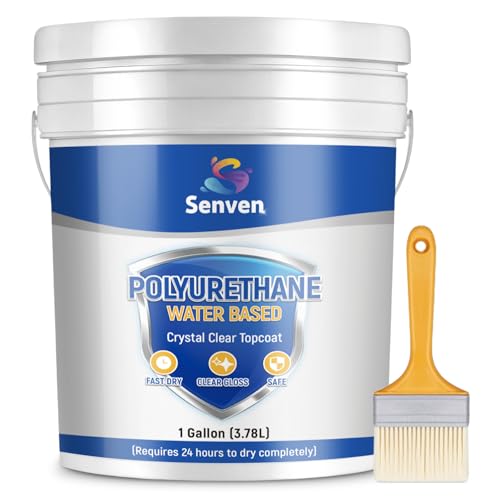
To protect the weathered appearance and ensure durability, applying a sealant is crucial. I recommend using a clear polyurethane or a specialized topcoat compatible with your base layer. Aim for a matte or satin finish to maintain the rustic charm.
Application Techniques
For the best results, use a high-quality synthetic brush or a foam applicator. Work in thin layers, applying the sealant evenly to avoid streaks or bubbles. Allow each coat to dry completely before applying the next. Typically, two to three coats are ideal for reliable protection.
Drying and Curing Times
Follow the manufacturer’s recommendations for drying times, which usually range from 1 to 6 hours between coats, depending on humidity and temperature. After the final coat, allow a full cure time of up to 24-48 hours before using the piece.
| Sealant Type | Finish Options | Recommended Coats | Cure Time |
|---|---|---|---|
| Water-based Polyurethane | Matte, Satin | 2-3 | 24-48 hours |
| Oil-based Polyurethane | Satin, Gloss | 2-3 | 48-72 hours |
| Wax Finish | Matte | 1-2 | 12-24 hours |
Regularly inspect the sealed surface for wear, and reapply a topcoat as necessary to maintain protection. This approach keeps your work looking stunning while ensuring longevity.
Maintaining Your Painted Furniture Over Time
To prolong the life of your refurbished pieces, I regularly apply a furniture polish or wax designed for painted surfaces. This not only enhances shine but also provides a protective layer against scratches and stains.
Cleaning is essential; I use a soft, damp cloth to wipe surfaces, avoiding harsh chemicals that can damage the finish. If a deeper clean is necessary, I mix mild soap with water, ensuring I rinse the cloth well to prevent residue buildup.
Inspecting for wear is part of my routine. If I notice chipped areas or fading, I touch them up promptly with the same hue. This keeps the overall look consistent and fresh without the need for a complete redo.
For high-traffic areas, an additional sealant can be beneficial. I apply a polycrylic or polyurethane topcoat for extra durability, especially on surfaces that see daily use, such as tabletops.
Positioning and placement matter significantly. I avoid direct sunlight which can cause colors to fade over time. Likewise, I keep them away from humidity sources, such as radiators or bathrooms, to prevent damaging effects.
Finally, rotating the items within a room occasionally can help distribute any wear evenly. This simple act can minimize the appearance of aging and keep each piece looking its best longer.
Customizing Distressed Grey with Decorative Elements
Incorporating accents can significantly enhance the aesthetic of your project. Consider using stencils to create intricate patterns. Stenciling gives a personalized touch; a floral or geometric design can complement the base color beautifully. Use a contrasting hue for the stencil that pairs well with your primary shade–think whites or soft pastels.
Another way to elevate appearance is through hardware modifications. Swapping out old knobs and handles for antique or decorative options instantly refreshes the look. Look for pieces made of wrought iron, brass, or ceramic that reflect your style. These accents draw the eye and add depth to the overall design.
Additionally, consider incorporating texture through fabric elements. Adding a cushion or a decorative throw can soften the edges and introduce a layer of comfort. Choose materials that align with the muted palette, such as linen or cotton with subtle patterns that harmonize with the painted surface.
Creating a layered effect with additional colors can also make a statement. Apply a light wash in a slightly different tone on top of the base for added dimension. This technique works well with a dry brushing method, allowing the original coat to show through in selected areas.
Lastly, don’t underestimate the impact of placement. Using the piece as part of a curated display can enhance its charm. Arrange books, plants, or art around it for a cohesive look, ensuring the decorative elements complement the paint job, creating a unified and polished presentation.
FAQ:
What supplies do I need to paint furniture distressed grey?
To paint furniture in a distressed grey finish, you will need several supplies. First, gather sandpaper or a sanding block for surface preparation. Then, choose a high-quality primer specifically designed for furniture. For the paint, select a chalk paint or a satin finish latex paint in the shade of grey you desire. You’ll also need a paintbrush and a small roller to ensure smooth application. A wax or sealant can be used for the final finish to protect your piece. Lastly, keep a damp cloth handy for wiping off excess dust after sanding.
How do I achieve a distressed look after painting?
To achieve a distressed look on your grey-painted furniture, start by lightly sanding the edges and corners of the piece after the paint has dried completely. Focus on areas that would naturally wear over time. You can also use a damp cloth or a sanding sponge for a more controlled finish. If you want to accentuate the distressed effect, consider applying a darker stain or glaze in the crevices. After you’ve reached the desired level of distressing, seal your work with a clear wax or topcoat for a polished yet rustic look.
Can I use regular paint instead of chalk paint for a distressed finish?
Yes, you can use regular paint for a distressed finish, but there are some differences to keep in mind. Latex or acrylic paint can work if you prefer a more durable finish. However, chalk paint is often favored for its matte appearance and ease of distressing. If you opt for regular paint, you may need to use a primer first and allow for more drying time between coats. Distressing might be less intuitive with regular paint, but it’s still achievable with sanding or using a damp cloth technique.
What are some tips for priming furniture before painting?
Priming furniture is a critical step for ensuring good paint adhesion and a smooth finish. Before applying primer, thoroughly clean the piece to remove any grease or dust. Lightly sand the surface to create a texture that helps the primer stick. Apply a thin, even coat of primer using a brush or roller, ensuring you cover all areas, including edges and details. Allow the primer to dry completely before painting. If you’re painting furniture that has previously been glossed, a second coat of primer may be necessary for the best results.