
 Caleb Turner

Choosing the right type of pigment is key. I prefer acrylic-based options for their quick drying time and ease of use on various surfaces. Using a primer specifically designed for miniatures enhances paint adhesion and guarantees a smoother finish.
Before diving into the process, I meticulously prepare the surfaces. Sanding down rough edges allows the color to adhere better and provides a refined appearance. I use fine-grit sandpaper, ensuring that I achieve a flawless texture.
When selecting brushes, I recommend a variety of sizes for detailed work and broader areas. A detail brush allows me to get into tight spots, while a larger brush covers more ground, making the task efficient. Applying thin layers works wonders, as it prevents drips and promotes even color distribution. Patience pays off – I let each layer dry thoroughly before applying the next.
For achieving intricate designs, stencils become my best friend. They allow me to create patterns without the hassle of freehand painting. I secure the stencil in place, using painter’s tape, to avoid any unintended smudges.
Finishing touches are crucial. I often utilize a clear sealant to protect the finished pieces from dust and scratches. This step enhances not just durability, but also the overall aesthetic by giving a polished look. With careful attention to detail, even miniature items can become stunning focal points in any setting.

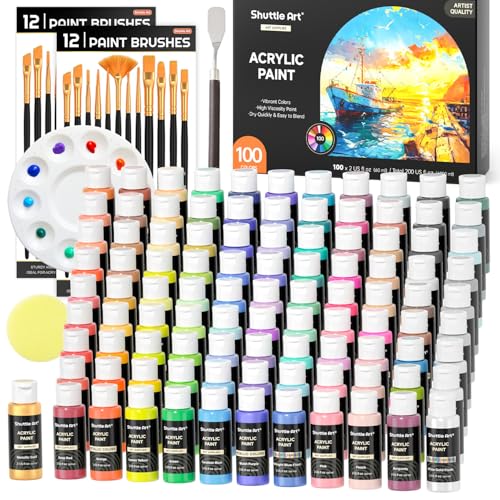

Techniques for Transforming Miniature Accents
For a polished finish, sand the surfaces lightly before applying any coating. This ensures better adhesion and a smoother texture. Use fine-grit sandpaper to avoid scratches that detract from the final appearance.
Select suitable coverings, such as acrylic or water-based options, as they dry quickly and are less toxic. Always work in a well-ventilated area for safety.
To achieve a smooth coat, use a high-quality brush or foam applicator. Applying multiple thin layers is preferable to a single thick one, allowing for better control and reducing the risk of drips.
For intricate details, consider using a smaller brush to reach all corners and crevices. Patience is key; giving each layer adequate time to dry will yield the best results.
Experiment with various finishes, like matte or gloss, to create specific effects. Finishing touches can include applying a sealant to protect the surfaces and enhance durability.
Lastly, let the final product cure fully for at least 24 hours before handling. This ensures that everything is set and eliminates any risks of smudging or damage.
Selecting the Right Paint Type for Dollhouse Furniture
For miniature pieces, I recommend using acrylic or water-based options. These types provide an excellent balance between ease of use and finish quality. Acrylics dry quickly and are available in a wide variety of colors, making it easy to match or create custom shades.
Acrylic vs. Water-Based Options
Acrylic options can often adhere better to surfaces, creating a more durable finish. They’re also less likely to yellow over time compared to oil-based varieties. Water-based paints are easier to clean up and have lower levels of harmful solvents, making them safer for indoor use.
<h3.Sealing and Finishing Touches
<p.After choosing the appropriate base coat, consider applying a sealant to protect the surface. I prefer water-based polyurethane for its clarity and resistance to scratches. Apply a thin coat to avoid altering the appearance of the chosen colors.
Preparing Surfaces for Optimal Application
Begin this process by ensuring your items are clean. I usually use a damp cloth to wipe away dust and debris. For tougher spots, a mild soap solution works well. Make sure to dry everything thoroughly to avoid moisture issues.
Surface Inspection
Carefully check for any imperfections, such as scratches or dents. I find that filling these with wood filler or putty creates a smooth base. After it dries, a fine-grit sandpaper comes in handy for achieving a flawless surface.
Sand and Smooth
Sanding is crucial for enhancing adhesion. I prefer a fine-grit sandpaper (220 grit) for delicate surfaces. Gently sand the entire area, focusing on uneven spots. After sanding, I ensure to wipe down the pieces to remove any dust particles.
- Use a tack cloth for the final wipe.
- Consider priming surfaces, especially if they are porous or previously finished.
Applying a suitable primer helps create an even base and can enhance the final look. It’s important to follow the manufacturer’s instructions for drying times.
With thorough preparation, the finish will be smoother and more durable, leading to rewarding results.
Choosing Brushes and Tools for Precision Painting
I recommend investing in a variety of brush sizes to reach different areas effectively. For intricate details, mini detail brushes with fine tips work best. Use flat brushes for applying color on larger surfaces. Soft bristle brushes allow for smooth application and blending. Consider angled brushes for edges and crevices, facilitating easier access to hard-to-reach spots.
Acrylic or watercolor painting requires different tools. For acrylics, use synthetic brushes, as they withstand the thicker paint and hold their shape well. For watercolor techniques, opt for natural hair brushes. They provide excellent fluidity and control.
Sponges can offer unique textures, especially when creating patterns or finishes. I often use foam sponges for soft blending or stippling. A palette knife is also handy for mixing colors directly on the surfaces, allowing me to control the amount and blending of hue.
Don’t forget about safety. Quality masks and gloves protect against fumes and paint residues. An adjustable easel or workstation keeps my work at a comfortable height, enhancing precision. Proper lighting is another pivotal aspect; a well-lit workspace reduces mistakes by allowing me to see the details clearly.
Lastly, keep brushes and tools clean immediately after use to maintain their condition. A simple rinsing under warm water and gentle soap can prolong their lifespan, ensuring they remain effective for future projects.
Applying Base Coats: Techniques and Tips
Choose an acrylic or water-based primer for initial layers; this improves adhesion of subsequent coatings. Thin the base layer with water or a medium to achieve a smooth application. Use even strokes to avoid brush marks, ensuring uniform coverage across each piece. Adjust the consistency to prevent pooling in intricacies. A small brush aids in reaching detailed areas.
Layering Techniques
Apply multiple thin coats instead of one thick layer. This improves durability and finish quality. Allow each coat to dry thoroughly before adding another; this can take anywhere from 30 minutes to a few hours based on humidity and temperature.
Texture and Finish
Experiment with texture by sponging or stippling after the first coat dries. This creates depth and interest on surfaces. If you desire a glossy finish, consider a clear topcoat after the base layers are complete. Always test combinations on scrap materials to gauge effects before working on the main items.
Using Stencils and Decals for Decorative Finishes
For detailed designs, opting for stencils and decals streamlines the decorating process. Begin by selecting quality stencils that suit the theme or style of the miniature environment. Look for flexible materials that can easily conform to curves if your pieces are not entirely flat.
Before application, ensure surfaces are clean and dry. Lightly tape the stencil in place or use spray adhesive for a secure hold. Use a dry brush technique to avoid excess paint bleeding under the stencil, ensuring crisp lines. Choose colors that complement the base hues; lighter details over dark bases can create striking contrasts.
Decals provide an easy option for achieving intricate patterns without the need for advanced brushwork. Apply these adhesive designs after the primary coat has fully cured. For best results, add a clear sealant over the decal to protect it from wear and blend it seamlessly with surrounding areas.
Consider layering different stencils for a unique visual effect. Alternating colors or textures with each layer can add depth and interest. Always test your techniques on a scrap piece to gauge results and avoid potential mistakes on your primary items.
Experimentation with combined methods allows for personalized touches that enhance the overall aesthetic. Prior planning will facilitate smoother execution, ultimately leading to exquisite results. Each piece becomes a standout feature in its environment through thoughtful application of these techniques.
Sealing and Protecting Painted Furniture
After achieving the desired finish on the miniature seating or tables, sealing is crucial for longevity. I recommend using a clear acrylic sealer, as it provides a durable protective layer without altering the appearance. Select a matte or satin finish based on your aesthetic preference.
Apply the sealant with a soft, clean brush or a spray can for an even coverage. Make sure to work in thin layers, allowing each coat to dry completely. Usually, two to three coats are optimal for enhanced protection against scratches and wear.
For added durability, avoid products containing harsh chemicals or solvents that could compromise the underlying finish. Additionally, consider using a UV-protectant sealer if the piece will be exposed to sunlight, as this minimizes fading over time.
Storing your miniatures in dust-free environments will also help maintain their appearance. Use dust covers or store them inside display cases to prevent accumulation of debris. Regularly inspect for signs of wear, and touch up with sealant as needed to keep everything looking pristine.
Adding Details: Distressing and Aging Techniques
To achieve a weathered look, I begin by lightly sanding the edges and surfaces that would naturally experience wear over time. This creates a worn effect that enhances realism. I prefer using a fine-grit sandpaper to avoid removing too much of the base layer.
Using Glazing for Depth
After distressing, I apply a glaze to add depth. I mix a small amount of paint with a clear medium. This allows for transparent layers over the base color, enriching the overall appearance. I recommend using a foam brush for even application, ensuring I wipe off excess glaze with a clean cloth to prevent it from becoming overly opaque.
Incorporating Stains and Washes
Another technique involves utilizing wood stains or tinted washes. These can be brushed or wiped onto the surface, focusing on crevices to highlight details. I prefer to test on scrap material first to gauge the intensity. Once satisfied, applying a thin coat helps create a natural aged look while being easy to control.
For final touches, I may introduce subtle highlights using a dry brush technique with a lighter shade. This adds clarity to the edges and surfaces that catch light, contributing to a more dynamic appearance.
Incorporating Colors and Patterns for Realism
To achieve a lifelike appearance in miniature settings, careful integration of hues and designs is essential. I often select a color palette that mimics real-world scenarios, focusing on shades that complement each other and suit the intended style of the space. For instance, muted tones work exceptionally well for traditional settings, while brighter colors can enhance modern aesthetics.
Choosing Color Schemes
Utilizing a color wheel aids in selecting harmonizing colors. Analogous colors create a serene look, while complementary hues add vibrant contrast. Here are common schemes I find particularly effective:
| Color Scheme | Description |
|---|---|
| Monochromatic | Variations of a single color for a classy effect. |
| Analogous | Colors adjacent on the wheel for a cohesive feel. |
| Complementary | Opposing colors to create striking contrast. |
Using Patterns for Added Depth
Incorporating patterns can add texture and interest. I prefer to use stencils for consistency and precision. Designing with floral motifs or geometric shapes is a method I often apply. For upholstery, selecting miniature fabrics that feature small-scale prints helps tie in the look, ensuring that it appears immersive. Additionally, consider the use of decals to replicate intricate designs without labor-intensive methods.
By thoughtfully combining colors and patterns, the miniature environment exudes authenticity, enhancing overall realism. Experimentation with different techniques can ultimately lead to a stunning representation of intended styles.
Fixing Common Painting Mistakes on Miniature Accessories
If the outcome isn’t what I expected, here’s what I can do to address typical errors encountered during the finishing process:
1. Uneven Coverage
To rectify patches where the color is inconsistent:
- Identify areas with thin application and apply a uniform second coat once the first layer has fully dried.
- Use a high-quality brush or a foam applicator for smoother distribution.
2. Drips and Runs
For those annoying drips that can ruin the look:
- Clean up excess paint immediately with a clean brush, gently blending it into surrounding areas.
- Next time, apply a thinner layer to prevent this issue from reoccurring.
3. Paint Splatter
If splatter has marred surrounding surfaces or details:
- Use a damp cloth to carefully dab off any fresh splatter before it dries.
- For dried spots, a gentle touch with fine sandpaper can smooth the area out, followed by reapplication of color.
4. Paint Peeling
If peeling occurs, which affects adhesion:
- Scrape away the damaged area with a putty knife and sand the surface down to a smooth finish. Clean the dust thoroughly.
- Reapply primer before laying fresh color for better binding.
5. Wrong Color Choice
In case the color clash is haunting the pieces:
- Lightly sand the surface if the paint is water-based, then a new preferred shade can be applied after cleaning.
- For oil-based finishes, stripping the previous coat may be necessary before transitioning to a different color.
These methods help bring back the quality of my handmade creations and ensure that they look polished and realistic. Consistency in technique will yield the most satisfying results.


