Caleb Turner

Begin with thorough cleaning using a mixture of warm water and mild soap. This eliminates residue and prepares the surface for transformation. For best results, use a fine-grit sandpaper to lightly scuff the existing finish; this enhances adhesion of the new layer.
Choosing the right type of coverage is key. I recommend using acrylic latex for interior items due to its quick drying time and ease of use. For outdoor pieces, an exterior-grade paint offers durability against the elements. A matte or satin finish will provide a modern touch, while gloss can elevate the look if you prefer a shiny appearance.
When applying, use a high-quality synthetic brush or a foam roller for an even coat. Begin with a primer designed for your chosen base to avoid unevenness. Multiple thin coats yield better results than a single thick application. Allow adequate drying time between layers, checking for imperfections and smoothing them out as necessary.


Lastly, seal the newly coated surface with a clear topcoat to protect against scratches and wear. This not only prolongs the life of the transformation but also enhances the visual appeal, ensuring the piece remains a valued part of your living space for years to come.
Techniques for Refreshing Inexpensive Timber Pieces
I recommend beginning with a thorough cleaning of the surface using a mild soap and water solution. This step removes any dirt or oils that might hinder adhesion. Rinse thoroughly and allow to dry completely.
Next, I opt for a light sanding with 220-grit sandpaper. This smooths imperfections and helps the next layer bond better. It’s vital to focus on any rough areas or existing finishes. Always wipe down the piece with a damp cloth after sanding to eliminate dust.
For sealing, choose an appropriate primer based on the desired finish; shellac or latex primers are typically effective. Applying a roller for larger surfaces and a brush for detailed areas works well. I ensure even coverage and allow it to dry completely before moving on.
When selecting a topcoat, I tend to gravitate towards acrylic or chalk-based solutions, as they provide durability with a pleasing aesthetic. I apply multiple thin layers rather than one thick coat to avoid drips and enhance longevity. Allow adequate drying between coats, usually a few hours, and lightly sand between layers for a smooth finish.
After completing the layers, I usually seal the work with a clear protective topcoat, like polyurethane, to guard against wear and scratches. A satin or matte finish gives a sophisticated appearance while also being practical.
| Step | Tool/Material | Purpose |
|---|---|---|
| Cleaning | Soap and water | Remove dirt and oil |
| Sanding | 220-grit sandpaper | Smooth surface |
| Priming | Shellac or latex primer | Enhance adhesion |
| Topcoat application | Acrylic or chalk-based paint | Add color and durability |
| Final sealing | Clear polyurethane | Protect from wear |
Finally, allowing the piece to cure fully before use ensures that all layers bond effectively and provide maximum durability. Patience during this process yields impressive results.
Choosing the Right Type of Paint for Wood Furniture
For optimal results, selecting the appropriate solution is key. I prefer using water-based acrylics because they offer excellent adhesion and durability while minimizing odors and drying quickly. These properties are ideal for small projects or touch-ups.
Types of Paint to Consider
- Acrylic Latex: Combines ease of use with vibrant colors. Suitable for indoor applications and offers good coverage.
- Chalk: Provides a matte, vintage finish. Easily distressed for a rustic appearance.
- Oil-Based: Ensures a smooth finish and long-lasting durability but requires mineral spirits for cleanup and has a longer drying time.
- Milk Paint: A non-toxic option with a unique finish, ideal for achieving a more traditional or antique look.
Factors to Evaluate
Consider the following aspects before making your choice:
- Finish: Decide between matte, satin, semi-gloss, or gloss options based on your desired look and how much wear the surface will experience.
- Color: Select a shade that complements your environment or adds a pop of personality. Test samples on the actual piece to see how different lighting affects the color.
- Durability: If the item will face frequent use, prioritize a product known for its resilience and washability.
- Application Method: Some solutions work better with brushes, while others may be best suited for spray application.
Reading reviews and seeking recommendations can also help in choosing the right product for your project. Take the time to assess these elements carefully for the most satisfactory outcome.
Preparing the Surface Before Painting
Thoroughly clean the item using a mixture of warm water and mild soap. This step removes dirt, grease, and other residues that might interfere with adhesion. A clean surface ensures a smoother outcome.
Next, sand the surface with a medium-grit sandpaper. This process not only smooths rough patches but also helps the new layer bond effectively. Focus on areas with imperfections to create an even texture.
Repair Damage
Inspect for dents, scratches, or other damages. Fill these with wood filler, allowing it to dry completely. Once dry, sand these spots until they’re flush with the surrounding area.
Apply Primer
Using a suitable primer can enhance the final finish. Choose one that suits the type of finish you aim for, ensuring compatibility with the top coat. Let the primer dry thoroughly before proceeding to the next step.
This preparation phase sets the foundation for a quality finish, ensuring that subsequent layers adhere properly and look professional.
Applying Primer for Better Adhesion
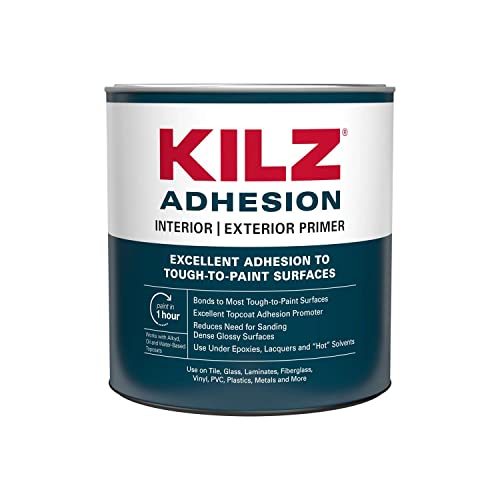
I always recommend applying a high-quality primer before any finishing coat. This step significantly improves the bond between the base and the top layer, especially on pieces made from less expensive materials. A bonding primer is particularly effective on porous surfaces, ensuring that the subsequent finish not only adheres well but also provides a more uniform appearance.
Selecting the Right Primer
Choose a primer that is compatible with the type of paint you plan to use. For instance, if you opt for a water-based finish, use a water-based primer. Oil-based options are great for an extra strong bond but also require proper ventilation during application. Apply the primer with a brush or roller, ensuring even coverage. Pay attention to corners and edges for complete sealing.
<h3.Application Techniques
When it comes to applying the primer, I suggest working in thin, even coats. This helps prevent drips and allows for quicker drying, typically within a few hours. If the surface is particularly rough or stained, light sanding after the primer has dried creates a smoother base for the top coat. Remember to clean any dust or debris before proceeding with the finishing layer.
Selecting Proper Brushes and Tools for Painting
I recommend using synthetic bristle brushes for water-based coatings. These brushes maintain their shape and provide a smooth finish, minimizing streaks. For smaller areas or detailed work, opt for angular or detail brushes; they allow for precision around edges and corners.
Foam rollers are excellent for larger flat surfaces, as they provide even coverage and reduce the appearance of brush strokes. Consider a ¼ to ½-inch nap roller for a smoother finish on less textured surfaces.
If you want to apply a primer or finish quickly, a spray gun might be a good investment. This tool allows for rapid application and can reach into crevices without leaving brush marks.
Don’t overlook quality painter’s tape. Using it around edges and hardware can ensure clean lines and protect areas you don’t want to coat.
Lastly, having a paint tray with liners simplifies cleanup and enables easy access to your chosen medium, making the process smoother.
Techniques for Applying Paint Evenly
I always begin with the right technique to ensure a smooth application. First, I use long, even strokes with my brush or roller, applying minimal pressure to avoid streaks or drips. It’s crucial to maintain a wet edge, working in small sections. This prevents the finish from becoming uneven as it dries.
Load Your Brush or Roller Correctly
Loading the brush or roller adequately is key. I dip the brush about one-third of the way into the mixture, then tap off the excess. For rollers, I roll it on the tray ramp to absorb the mixture evenly, which keeps the application consistent. Always avoid overloading as it leads to uneven distribution.
Use the Right Motion
I prefer a side-to-side or up-and-down motion rather than circular movements. This helps to blend the application better. When using a roller, I find that a “W” pattern is effective, filling in the gaps afterward to maintain a uniform appearance. Additionally, feathering the edges where two strokes meet reduces the visibility of lines.
A good tip is to periodically step back while working to assess whether I have an even coat. If needed, I can always go back and touch up any thick spots or missed areas while the finish is still wet.
Lastly, patience is vital. Allow adequate drying time between coats, ensuring the finish remains even throughout the process. I’ve found that rushing leads to unsatisfactory results.
Sealing and Finishing for Long-Lasting Results
Choosing the right sealant is critical for durability. I recommend using either polyurethane or water-based sealers for a tough finish. Polyurethane provides a hard, protective layer, while water-based options dry quickly and have less odor.
Follow these steps for sealing:
- Ensure the painted surfaces are completely dry before applying any sealant.
- Lightly sand the surface with fine-grit sandpaper to create a smooth base.
- Clean any dust with a damp cloth to ensure proper adhesion.
Application methods include:
- Use a high-quality brush or foam applicator for even coverage.
- Apply thin layers, allowing each coat to dry fully before adding another.
- Sand lightly between layers for optimal smoothness.
For a glossy finish, consider adding a final coat of clear sealant. However, if a matte look is desired, opt for a matte sealant to preserve the aesthetic.
Regular maintenance extends the life of the finish. Clean surfaces gently with a damp cloth and avoid harsh chemicals that can degrade the sealant.