Caleb Turner

Begin with meticulous surface preparation. Ensure the surface is clean and devoid of any dirt or grease. Sanding lightly can promote better adhesion of the chosen finish. I always wipe down the surface with a damp cloth after sanding to remove any dust particles.
Select contrasting hues that resonate with your style. A classic monochrome approach, utilizing black and white, often yields striking results. I recommend testing your colors on a small area or scrap piece to ensure they complement each other before committing.


Utilizing painter’s tape is key for achieving sharp lines. Carefully measure and mark sections where you desire a stark division between colors. I generally recommend using a level to ensure your lines are straight, as precision in layout defines the overall appearance.
Once your sections are taped off, apply the chosen shades with a high-quality brush or roller. It’s essential to use smooth, even strokes to avoid drips. I typically apply two coats for vibrant color payoff, allowing adequate drying time between applications.
After removing the tape, touch up any uneven edges with a fine brush. Sealing the design with a clear topcoat not only enhances the finish but also provides durability against everyday wear. I often use a satin or semi-gloss sealer for a balanced sheen that complements the aesthetics of the finished piece.
Creating a Two-Tone Grid on Your Surface
I recommend beginning with a light base coat, allowing it to dry completely before proceeding. Using painter’s tape, establish a grid layout by marking equal sections on the previously coated surface. Ensure that your tape adheres well to prevent paint seeping underneath. The dimensions of each square can vary based on your preferences, but keeping them consistent will enhance the overall look.
Applying the Secondary Hue
Select your contrasting color and carefully fill in every alternate section using a brush or roller, avoiding any overlap with the tape. Apply multiple thin layers for a smooth finish, letting each coat dry before the next. Once the application is complete, gently remove the tape while the paint is still slightly wet to achieve clean edges. This technique guarantees sharp lines, giving your project a polished appearance.
Final Touches
<p.After everything has dried thoroughly, inspect the edges for any imperfections. Touch up areas as needed, and finish your creation with a clear protective sealant to ensure longevity and ease of maintenance. This final step will not only protect your work but will also enhance the depth of the colors used.
Choosing the Right Type of Furniture for Your Design
Opt for flat surfaces over textured ones for a cleaner finish that allows your visual to stand out. Pieces with smooth finishes, like MDF or plywood, provide the best canvas to achieve crisp lines and edges.
Consider the scale and proportion of the items selected. A large coffee table may require a more intricate design, while smaller accent pieces should feature simpler aesthetics to avoid overwhelming the space. Measure dimensions carefully to ensure the marked designs complement the surrounding elements.
Materials to Consider
Wood is a popular choice due to its durability and ease of use, but a laminate or metal piece can offer a modern twist. Each material reacts differently to application techniques, so testing on off-cuts or inconspicuous areas is advisable to anticipate final results.
| Material | Characteristics | Recommendation |
|---|---|---|
| Wood | Versatile, easily customisable | Ideal for intricate designs |
| MDF | Smooth surface, low-cost | Great for clean-cut visuals |
| Laminate | Durable, comes in various finishes | Good for high-traffic areas |
| Metal | Modern look, withstands wear | Use for industrial themes |
Style Cohesion
Ensure all selected elements harmonize with the home’s existing decor. Whether aiming for a retro, contemporary, or eclectic feel, the design should resonate with personal taste without clashing with the surrounding furnishings.
Lastly, pick pieces that inspire creativity and invite interaction. A visually appealing table or seating option not only serves its functional purpose but also enhances the overall ambiance of the space.
Gathering Necessary Materials and Tools
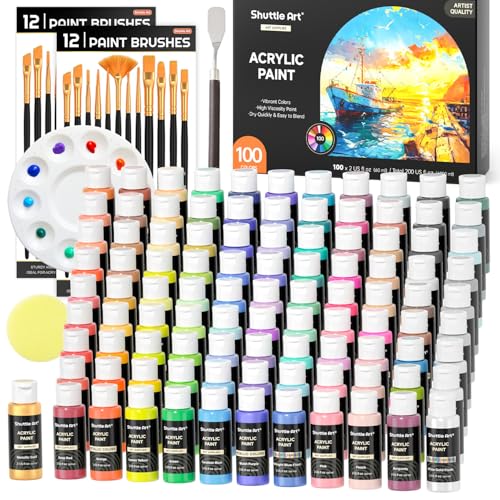
First, select high-quality acrylic or latex paints in your desired colors. I recommend picking a base color and a contrasting shade for the squares. Prepare a sturdy brush set, including options for both broad strokes and fine detail work.
Invest in painter’s tape; this will help achieve crisp edges between the squares. A small roller can expedite coverage for larger areas. You’ll also need a fine-tip paintbrush for internal corners and hard-to-reach spots.
Consider using a ruler and a level to ensure that your markings for the squares are precise. A pencil is useful for sketching the initial lines on your surface. For an unobstructed working environment, protect adjacent areas with drop cloths.
A sealant or topcoat will enhance durability, so include a clear finish in your materials. Finally, gather cleaning supplies–soap, water, and cloths–to manage any paint spills and maintain a tidy workspace throughout the process.
Preparing the Surface for Application
First, ensure the surface is clean and free from dust, grease, or old finishes. I start by wiping down the area with a damp cloth and a gentle cleaner. For stubborn grime, a mixture of vinegar and water works well.
Next, if there are any imperfections like scratches or dents, I fill them with wood filler. After it dries, I lightly sand the area to create a smooth finish. It’s crucial to address every flaw to avoid them being visible after the new design is applied.
Sanding Techniques
I always use medium-grit sandpaper to remove the old finish, followed by fine-grit paper for a smooth texture. Sand in the direction of the grain to avoid scratches. The goal is to achieve a surface that both adheres better to the new treatment and has a uniform appearance.
Priming the Surface
Applying a primer is the next step. A high-quality primer enhances adhesion and provides a base that helps the colors stand out. I opt for a suitable primer based on the material of the item being customized–wood, metal, or plastic all require specific types. Make sure to allow the primer to dry completely before moving on to the next phase.
Creating the Checkerboard Grid with Tape
For achieving precise sections, using painter’s tape is indispensable. I place the tape in a grid formation, ensuring clean and straight lines. Here’s the approach:
- Measure the area to determine the size of each square.
- Mark the starting point for your grid with a pencil or chalk.
- Apply tape horizontally and vertically to create an equal grid. Ensure that the edges align perfectly.
Tips for Tape Application
- Press down the edges of the tape firmly to avoid paint bleeding underneath.
- Use a level to maintain straight lines when placing the tape.
- If working with larger surfaces, consider applying the tape in sections instead of all at once.
Regularly step back and inspect your work to confirm that the grid appears even and symmetrical from a distance. This practice helps maintain uniformity across the design.
Finalizing the Setup
After securing the tape, double-check the adherence, especially at the corners and intersections. If there are any imperfections, it’s easier to correct them now than after application. Take your time; precision at this stage sets the foundation for a polished look.
Selecting Paint Colors and Finishes
I recommend choosing a color palette that complements your existing decor. Consider using a combination of two to three hues for contrast. For a classic approach, black and white create a timeless look, while bold colors like red and turquoise can make a statement.
Test paint swatches on a small area to see how they look under different lighting conditions. Fluorescent lighting can change the appearance of colors, so check them in the environment where your item will be used.
For finishes, consider satin or semi-gloss as they offer durability and are easier to clean. If you prefer a more rustic appearance, matte finishes can provide that charm but may require more upkeep. Sealing your work with a clear topcoat can enhance the color while providing additional protection.
If you’re feeling adventurous, metallic or glossy finishes can elevate the design. These options reflect light and can add a modern twist. Just ensure they match the style you aim to achieve.
Applying the Final Coat and Sealing the Design
After achieving a crisp and clear layout on your piece, it’s time to apply a protective finish that will enhance durability and visual appeal. I recommend using a water-based polyurethane for easy application and low odor. Ensure the base colors are completely dry before proceeding.
Using a clean, high-quality synthetic brush or a foam applicator, carefully apply a thin layer of your chosen sealant over the entire surface. Work methodically, following the grain to avoid unsightly brush marks. It’s key to not overload your brush; a light touch will help prevent drips and bubbles.
Drying and Additional Coats
Let the initial coat dry for the recommended time stated on the product label. Once dry, inspect the surface; if it feels rough or uneven, lightly sand it with fine-grit sandpaper. This step is crucial for achieving a smooth, professional finish. Wipe away any dust with a tack cloth before applying a second coat.
Applying multiple coats will increase the longevity of your design. Aim for two to three coats, ensuring you allow adequate drying time between applications. I often find that the final coat gives the most shine and protection, solidifying the look.
Final Touches
Once the final layer is dry, consider a light buff using a soft cloth to add shine. If the sheen is not to your liking, you can adjust it with a matte or satin finish sealant in your next project. This method will secure the finish while emphasizing the creativity of your design.
To further protect the surface, refrain from placing items on it for at least a few days, giving the sealant time to cure properly. Following these steps ensures a beautiful and lasting outcome that showcases your artistic effort.