
 Caleb Turner

I recommend choosing a high-quality, matte finish for your surface restoration project. Begin by cleaning the piece thoroughly; this ensures that any dirt or grease doesn’t interfere with adhesion. A gentle soap solution works wonders for this purpose.
Using a fine-grit sanding sponge, lightly scuff the surface to promote better adhesion. Pay close attention to the subtle curves and intricate details, ensuring even coverage throughout.


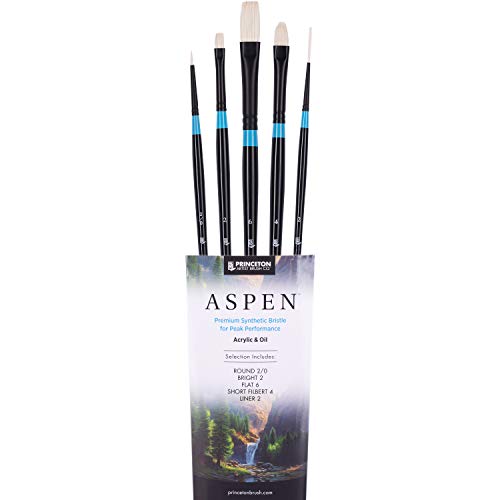
Select your furniture enhancer carefully. Some brands are specifically formulated to provide excellent coverage on woven materials. Test a small area first to confirm compatibility and coverage. Brush, roll, or spritz–whichever method suits your style–keeping consistent strokes will yield the best results.
After applying the initial layer, allow ample time for drying before inspecting for any areas needing touch-ups. A second coat will enhance richness and depth, ensuring that your revitalized piece stands out beautifully in your space.
Tips for Transforming Wicker Pieces Using Matt Finish Coating
Prepare the surface by cleaning thoroughly. I use a damp cloth to wipe away dust and grime, ensuring proper adhesion. If there are any loose strands or fraying areas, I trim them carefully to create a smoother finish.
Applying a primer specifically designed for this type of material is essential. I opt for a spray primer to achieve an even coat, ensuring that every nook and cranny is covered. This step helps in minimizing absorption and enhances the coloration process.
Select a high-quality matte finish coating to achieve a chic look. I prefer to use a specific formula that allows for flexibility, avoiding cracking as the material shifts over time. When ready to apply, I pour a small amount into a tray and use a brush for precise control along the edges and intricate designs.
For larger surfaces, utilizing a roller can save time while providing an even layer. I often roll the coating on in thin layers, letting each layer dry completely before applying the next to prevent drips and uneven patches.
Once the desired coverage is achieved, I let the sections cure for several days in a well-ventilated area, ensuring they are set correctly. This waiting period is crucial; it significantly increases durability against everyday wear.
To finish, I apply a clear topcoat to safeguard the surface. This additional layer provides extra protection and enhances the visual appeal. I wait at least 24 hours before placing any items on the newly treated piece, allowing everything to settle properly.
Choosing the Right Chalk Paint for Cane Furniture
Opt for a high-quality formulation specifically designed for intricate surfaces. Look for products that are marked as suitable for porous materials; these will adhere better to the strands, ensuring a smooth finish. Pay attention to the brand’s reputation and reviews, as user experiences can guide your choice.
Finish Type
Decide on the desired end result. If a matte effect appeals to you, ensure the selected paint lists that as a feature. For a subtle sheen, some options offer a slight gloss finish. Testing samples on a discrete area can clarify which look is most satisfying.
Color Selection
Select hues that align with your decor theme. Shades can dramatically alter the atmosphere of a space. Consider lighter tones for a spacious feel or deeper colors for a cozy atmosphere. Always check the paint in natural light before making a commitment, as colors may change under different lighting conditions.
Preparing Cane Furniture for Painting
First, I thoroughly cleaned the item to remove dust and grease. A damp cloth works well for this, but I made sure to avoid excessive moisture that could damage the weaving. After the surface dried completely, I checked for any loose fibers or damage in the structure. If there were any, I carefully repaired them using wood glue or a strong adhesive suitable for the material.
Sanding the Surface
I then lightly sanded the non-woven areas using fine-grit sandpaper. This step is crucial for achieving better adhesion of the new finish. I avoided over-sanding the woven sections to prevent causing wear or breaking any strands. Dust from sanding was wiped away with a clean, dry cloth to ensure a smooth application later.
Applying a Primer
Next, to enhance the longevity of the new coat, I opted for a suitable primer. I applied a thin, even layer to areas that were not woven, allowing it to dry completely as per the manufacturer’s instructions. Priming improves adhesion and prevents stains from seeping through, ensuring a cleaner finish after I applied the final layer.
Following these steps ensured my piece was prepared adequately for transformation while maintaining its integrity and aesthetic appeal.
Selecting Tools and Materials for a Smooth Application
Choose a high-quality synthetic brush for detailed areas, ensuring accurate coverage in intricate designs. A foam roller works well for larger flat surfaces, providing a flawless finish without brush marks.
Opt for fine-grit sandpaper to prepare surfaces; it helps create a better bond between the finish and the surface. Having a clean, lint-free cloth on hand is essential for wiping dust after sanding.
When choosing the coating product, inspect the can for compatibility with the method you’ll use. A clear sealer can enhance durability, while those designed for outdoor use offer additional protection.
A sturdy drop cloth will prevent messes during the transformation process. Additionally, wear gloves to keep hands clean and use a mask if working in a less ventilated area to avoid inhaling fumes.
Keep a small artist’s brush for touch-ups and detailed work, ensuring even hard-to-reach areas get the attention they require.
Techniques for Applying Chalk Paint on Cane Surfaces
For optimal coverage, I recommend using a spray method or a brush with synthetic bristles. Spray applications allow for even distribution, reducing the risk of drips and pooling in crevices. If using a brush, I choose a smaller, flat brush for detailed areas and corners to ensure precision.
When working on intricate patterns, I focus on using a stippling technique. This involves lightly dabbing the brush on the surface to reach into recesses without overwhelming them with paint. It’s essential to avoid excess pressure; a light touch ensures that the weave remains visible and enhances the texture.
For even better adhesion, I apply a thin layer initially, letting it dry completely before adding additional coats. I aim for a minimum of two coats for uniformity, especially on darker weaves. Thinning the paint slightly with water can also improve flow and absorption into the material.
After the application, I often sand lightly between coats using fine-grit sandpaper. This process smoothens any rough patches and helps the next layer adhere more effectively. A final sanding prior to sealing contributes to a polished look.
For finishing touches, a clear wax or sealant is necessary to protect the layers. I apply it using a soft cloth in circular motions, allowing it to cure properly for durability. This not only enhances the aesthetic but also prolongs the life of the finish.
Understanding Drying Times and Curing for Best Results
For optimal outcomes, I always monitor drying times closely. Initially, I allow the first layer of my top coat to dry for about 1-2 hours, but this can vary depending on humidity and temperature in my workspace. If it feels tacky, it’s best to wait longer before applying the next layer.
After layering, proper curing is crucial. I wait at least 24 hours before using the item, allowing the finish to settle completely. Full curing may take up to 30 days, which may seem lengthy, but it enables the finish to reach its maximum durability. Protecting the piece during this period is wise, especially from moisture and direct sunlight.
Additionally, gentle handling and avoiding heavy items during the curing phase are key. I’ve found this patience pays off with a hard, resilient surface that withstands wear and tear better over time.
For best results, I suggest applying a sealant or wax after a week of curing, which enhances protection and gives a lovely luster. Following this timeline has consistently yielded satisfying, long-lasting finishes in my projects.
Sealing and Protecting Your Painted Cane Furniture
Apply a high-quality topcoat to safeguard your newly transformed items. I recommend using water-based polyurethane or a clear wax for optimal results. Each option has its own method of application.
-
Water-Based Polyurethane:
Choose a satin or matte finish to maintain a soft look. Use a synthetic brush or foam applicator for an even coat. Wait for the first layer to dry completely–usually around 2-4 hours–before applying a second coat.
-
Clear Wax:
For a more natural feel, wax provides a protective barrier. Use a clean cloth to apply a thin layer, working it into the surface. Allow it to sit for a few minutes, then buff with another cloth until it reaches the desired sheen.
Test your chosen method on a small, inconspicuous area before full application. This will help ensure compatibility and desired appearance. Note that if opting for wax, periodic reapplication may be needed to maintain protection.
Additional Tips
- Avoid water: Keep your items dry to prevent moisture damage.
- Use coasters: Protect against scratches and heat marks.
- Regular maintenance: Clean with a damp cloth and mild soap rather than harsh chemicals.
Protecting my refurbished pieces ensures they remain beautiful and functional for years to come. Regular care will extend their lifespan.
Common Mistakes to Avoid When Refreshing Cane Surfaces
Avoid skipping the cleaning process. Wipe down all surfaces thoroughly using a mild detergent to eliminate dust and grime. Neglecting this can result in poor adhesion.
Don’t rush the preparation phase. Ensure all imperfections are filled and sanded down, as uneven surfaces can lead to unsatisfactory results.
Apply thin layers; thick applications can lead to drips and uneven coverage. Allow for proper drying time between coats to ensure evenness and durability.
- Avoid using the wrong brushes. Selecting inappropriate tools can affect application quality; choose natural bristle brushes or foam rollers for a smoother finish.
- Steer clear of applying too many coats at once. Focus on building up layers gradually instead, which supports a more resilient finish.
- Don’t overlook curing times. Be aware of how long it takes for the final layer to cure before using the item, as rushing this can damage the finish.
Pay attention to sealing products; using an incompatible sealant can alter the final look or functionality of the surface. Always choose a compatible protective layer.
Finally, refrain from forgetting to test products on a small, inconspicuous area first. This step prevents unpleasant surprises, ensuring the final outcome meets expectations.
Caring for Your Newly Painted Cane Furniture
Ensure to avoid moisture exposure by keeping your newly refreshed pieces in dry areas. Excess humidity can lead to damage over time.
Avoid using harsh chemicals for cleaning. Soft cloths and mild soap should suffice to maintain appearance without harming the finish.
Regular dusting is essential. Use a microfiber cloth to remove dust particles without scratching the surface. This keeps the item looking pristine.
For scratches, touch up with leftover color from your last project, applying lightly to blend the repair into surrounding areas.
Consider placing coasters and mats to prevent direct contact with food and drink, protecting the finish from potential stains or heat damage.
Rotate your pieces occasionally if they are near windows to maintain color consistency and prevent sun damage.
| Maintenance Tip | Recommended Action |
|---|---|
| Moisture Control | Keep in dry areas, avoid excessive humidity |
| Cleaning | Use mild soap and soft cloths |
| Dusting | Use microfiber cloths regularly |
| Scratch Repair | Touch up with leftover paint |
| Preventing Stains | Utilize coasters and protective mats |
| Sun Exposure | Rotate items to prevent fading |
Inspect regularly for signs of wear, addressing issues promptly to prolong the life of your revitalized treasures.


