
 Caleb Turner

First, gather your materials. Choose a high-quality primer, acrylic paints in various shades, and brushes of different sizes. I prefer using a sponge for texture and a fine brush for detail–these tools allow me to achieve the depth and intricacy required for realistic design.
Prepare the surface by ensuring it’s clean and smooth. Apply a primer for better adhesion, allowing it to dry completely. For the base layer, I usually opt for a neutral color that contrasts well with the bold hues I plan to use. Once dried, sketch out the desired motif lightly with a pencil to guide my painting process.
Next, start layering your colors. For spots or stripes, I find it helpful to apply darker shades first, followed by lighter ones to create dimension. Don’t rush; let each layer dry before moving on to avoid muddling the colors. A final coat of sealer will protect the artwork and give a polished finish.
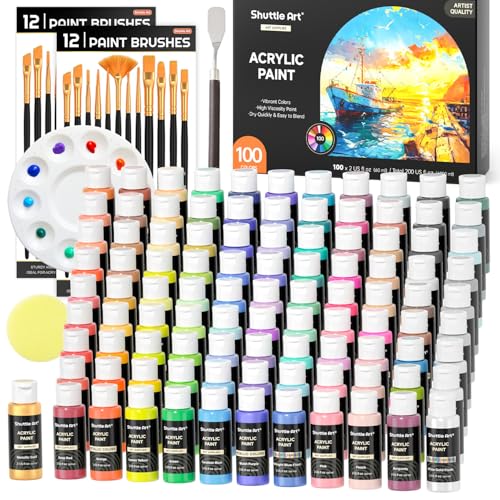


Creating Striking Wildlife Patterns on Surfaces
Choose a textured roller or stencil to achieve distinctive fur or scale designs. This approach adds depth and realism to your creation. For a leopard or cheetah effect, use a sponge to dab irregular shapes; this technique mimics the natural spots effectively.
Utilize two or three shades for a layered look. Start with a lighter base and gradually add darker tones. Blending the colors with a brush or damp sponge enhances the natural appearance. Make sure to dry each layer thoroughly before applying the next.
For zebra stripes, use painter’s tape to create sharp lines. Apply the darker color generously, ensuring full coverage. Once removed, touch up any uneven edges. A gloss finish can elevate the visual appeal, reflecting light beautifully.
Incorporate different techniques for unique effects. For instance, a dry brush method can create subtle texture resembling scaled skins. Experiment with blending techniques on test pieces to discover the best combinations before applying to your main piece.
To seal your work, consider a clear varnish that protects the design while enhancing durability. Choose a matte or gloss finish based on the overall aesthetic you aim to achieve. Regular maintenance will preserve the vibrant look and prevent wear.
Choosing Suitable Pieces for Unique Patterns
I recommend focusing on surfaces that have a smooth texture, as they will allow for easier application and a more polished finish. Look for items made of wood, composite materials, or metal, as these can hold designs better than upholstery. Side tables, shelving units, or cabinets work exceptionally well.
Consider the scale of your item. Smaller objects like accent tables or stools can handle bolder motifs because they are not as visually overwhelming. On the other hand, larger pieces, such as armoires or coffee tables, can benefit from a more subtle approach to avoid visual clutter.
Select pieces with simple shapes. Straight lines and geometric forms provide a strong backdrop for detailed patterns, allowing the design to stand out without competing with excessive ornamentation. Avoid overly intricate designs or carvings that might clash with the visual intensity of the artwork.
Pay attention to the function of the chosen item. If it’s frequently used, ensure the material can withstand wear and tear. Durable finishes or topcoats will safeguard the design, maintaining its fresh look over time, especially for high-traffic areas.
Lastly, think about the surrounding decor. Integrating complementary elements, such as neutral tones or contrasting colors, can enhance the overall aesthetic, making the patterned piece a focal point while balancing the rest of the space.
Choosing the Best Paint Type for Your Project
I recommend selecting either acrylic or chalk-based formulations for this task. Acrylic options provide durability and are water-resistant when cured, making them ideal for high-traffic surfaces. They also come in various finishes, allowing for customization based on your desired aesthetic.
Acrylic Options
Acrylic paints dry quickly and can be cleaned up with water. Their flexibility minimizes cracking over time. Ensure you choose a high-quality brand for better adhesion and longevity, as lower-quality paints might peel or fade.
Chalk-Based Choices
Chalk-based varieties offer a matte finish that’s perfect for achieving a rustic or vintage look. These products typically require a wax or sealant for protection, ensuring your creation withstands the test of time. They can be distressed easily, adding to the overall visual appeal.
Always test your chosen option on a small area to see how it adheres to your selected surface and interacts with other materials. Considering the texture and finish early in your project will save you time and effort later on.
Gathering Necessary Supplies for Painting
Begin with a thorough list of materials. These will directly influence the outcome of your decorative endeavor.
Basic Tools
- Foam rollers or brushes: Choose a variety for different textures and details.
- Painter’s tape: Crucial for clean edges and preventing color bleed.
- Drop cloths: Protect your workspace from spills and drips.
- Sandpaper: For surface preparation and ensuring adhesion.
- Primer: Helps create a uniform base for your design.
Color Selection and Application
- Choose your base shade: A neutral tone often works best as a backdrop.
- Accent colors: Select contrasting hues that will add depth and interest.
- Sealant: A topcoat is necessary for durability and longevity of the finish.
Gathering these tools will prepare you for a successful transformation, allowing for creativity while ensuring a polished look and finish. Assessing your workspace will also determine the quantities you may need, so be prepared to adjust your inventory accordingly.
Preparing the Surface of Your Furniture
Before beginning any transformation, I ensure the surface is clean and smooth. First, I wipe down the item with a damp cloth to remove dust and dirt. For stubborn stains or grease, a mixture of mild soap and water does wonders. After cleaning, I let it dry completely.
If the texture is rough, I lightly sand the area with fine-grit sandpaper. This step not only smooths out imperfections but also enhances the adhesion of the subsequent layer. After sanding, I remove any dust with a damp cloth, ensuring no particles interfere with my application.
Repairing Imperfections
Next, I assess the surface for scratches, dents, or chips. Utilizing wood filler or spackling paste, I carefully fill in these flaws. Once dried, I lightly sand those areas to ensure they blend seamlessly with the surrounding texture.
Sealing and Priming
If the item is made of a material prone to bleed-through, such as mahogany or certain types of MDF, I apply a primer designed for such surfaces. This creates a barrier, preventing any stains from showing through the final design and allowing colors to pop. I select a primer appropriate for the material, ensuring compatibility for a smooth finish.
| Step | Action |
|---|---|
| 1 | Clean the surface with a damp cloth. |
| 2 | Sand rough areas with fine-grit sandpaper. |
| 3 | Fill in any imperfections with wood filler. |
| 4 | Apply a primer if necessary. |
Creating Stencils or Templates
To achieve precise designs on your piece, I recommend crafting custom stencils. First, select a pattern you admire. For instance, spots or stripes that mimic the natural markings found in wildlife.
Using heavy cardstock or clear plastic sheets, trace your chosen pattern. If you’re unsure about your drawing skills, consider printing a design from the internet. After printing, cut out the shapes with a craft knife to create a template, ensuring all edges are clean.
To facilitate easy application, secure your stencil to the surface with painter’s tape. This prevents any shifting during the painting process, ensuring a crisp outline. Depending on the complexity of your design, you might create multiple templates for layering different colors or textures.
For added versatility, using repositionable spray adhesive can help in applying stencils without permanent sticking, making it easier to adjust if needed. Once I finish stenciling, I allow the paint to dry before carefully peeling off the templates.
Practice on scrap material before working on your actual item. This step helps me refine my technique and ensures the final result meets my expectations.
Applying Base Coat Before the Animal Print
Choosing a solid base coat is crucial for achieving a striking effect. I recommend using a high-quality primer or a paint that closely resembles the desired background color for your design. Consider opting for neutral shades such as cream, taupe, or light gray, which can effectively enhance the visibility of the layered pattern.
Application Techniques
For best results, utilize a foam roller or a brush to apply the base layer. I find that the roller provides an even finish, reducing brush strokes and ensuring a smooth surface. Begin by applying an even coat, ensuring all corners and edges are adequately covered. Allow sufficient drying time as indicated on the product instructions before proceeding with your pattern work.
Layering for Depth
If you’re aiming for a more textured or dimensional look, consider applying multiple layers of the base. This technique adds depth and can make the final animal-inspired finish even more engaging. Just ensure each layer dries completely before adding the next.
Using a base coat that complements your chosen design will enhance the overall aesthetic of your project. Proper preparation at this stage can significantly impact the outcome of your artistic endeavor.
Techniques for Painting Different Animal Patterns
Begin with the distinctive shapes and colors specific to the pattern you want to replicate. For instance, zebra patterns consist of bold black and white stripes that can be achieved with painter’s tape and a brush or sponge. The key is to ensure that the lines are crisp and evenly spaced.
Leopard and Cheetah Variations
These designs rely on irregular spots and a combination of golden yellows, browns, and blacks. Follow these steps:
- Use a base coat of light beige or cream to set the backdrop.
- Create the spots with a round sponge, dabbing in a darker color to mimic natural randomness.
- Outline the spots with a fine brush in black for definition.
Tiger Stripes Technique
To replicate tiger stripes, employ smoother curves rather than angular lines. Here’s the method:
- Start with an orange base coat for depth.
- Use a fine brush to paint the dark stripes, making sure they vary in width for a more organic look.
- Consider adding lighter shades within the stripes to give a three-dimensional effect.
Blending is crucial. For a more natural appearance, lightly feather the edges of your spots or stripes with a dry brush technique to soften transitions between colors.
Finally, seal your design with a clear topcoat to protect your work and enhance the visual impact. Each variation has its nuances, but practicing will yield the best results.
Finishing Touches: Sealing Your Design
To ensure durability, I always apply a clear protective layer after completing my design. This step preserves not only the colors but also the textures I worked hard to achieve. I prefer using a water-based polyurethane for its clarity and ease of application.
Before sealing, I let the surface cure for at least 24 hours. This timeframe allows all layers to adhere properly. When I’m ready, I grab a high-quality synthetic brush to apply the sealer, using smooth, even strokes. I avoid over-applying to prevent bubbles and uneven surfaces.
Two to three coats of sealer usually provide adequate protection. After each coat, I lightly sand the surface with fine-grit sandpaper once it dries. This ensures a smooth finish and better adhesion for the next layer.
Finally, I allow the last coat to cure for several days before using the item. This patience guarantees that the finish will withstand daily wear and look fabulous for years to come.
Maintaining and Caring for Your Newly Designed Piece
To ensure the longevity of my transformed item, I prioritize regular dusting with a soft cloth to prevent buildup. For deeper cleaning, I use a mild soap solution. It’s crucial to avoid abrasive cleaners that could damage the surface.
Waxing for Protection
Applying a thin layer of wax every few months not only enhances the shine but also provides a protective barrier against spills and scratches. I prefer a beeswax-based product, as it nourishes the finish effectively.
Addressing Minor Repairs
If I notice chips or scratches, I touch them up using similar hues of paint. For deeper flaws, I lightly sand the area before reapplying the finish to maintain an even texture. Keeping a small supply of leftover paint from my project handy proves beneficial for these quick fixes.
Avoid exposing the surface to direct sunlight for extended periods, as it can fade the colors over time. Additionally, using coasters and placemats helps prevent stains and heat damage from everyday use.
Finally, staying attuned to any changes in the appearance allows me to take corrective action promptly, ensuring that my artistic endeavor remains striking and durable.


