
 Caleb Turner

Transforming your cherished antiques requires a careful blend of preparation and the right materials. Begin with a deep cleaning using soap and water to remove dust and grime. Once dry, inspect for any damage that needs repairing–this is crucial for ensuring longevity.
Select a quality primer that suits the surface texture. Applying a solid base will allow the top coat to adhere better and enhance the final appearance. Use a brush for detailed areas and a roller for larger surfaces to achieve an even finish.
After the color coats have dried completely, embark on the finishing process. Choose a quality topcoat for added protection and to enhance the sheen. For a rustic look, consider a matte finish; for a sleek appearance, go with glossy. Don’t forget to allow adequate curing time before using the piece again.
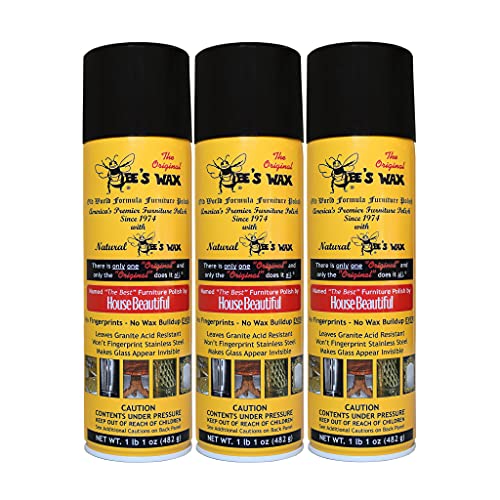
To enhance the durability and shine of your furniture, a layer of natural polish can work wonders. Opt for a product made from beeswax or a mixture of natural oils. This adds not only visual appeal but also serves as a protective barrier against everyday wear.

Transforming Antique Wood Pieces
Begin with a thorough cleaning using a mixture of warm water and mild detergent, ensuring all grime and residue are removed. Allow the item to dry completely before proceeding.
Choosing the Right Materials
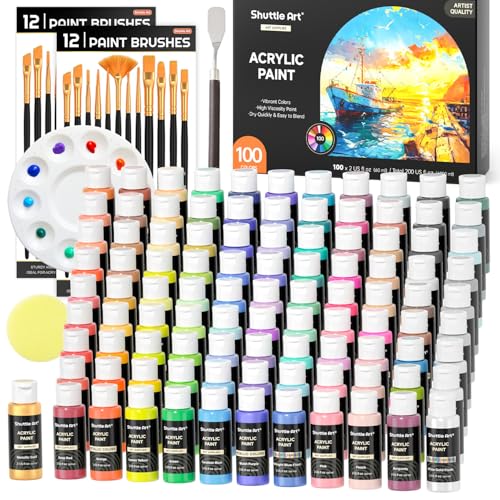
Select a high-quality acrylic or latex-based coating suitable for the surface. Consider matte or satin finishes based on desired aesthetics.
For the final touch, pick a natural or synthetic blend to enhance and protect the surface after coloration. These options help in maintaining the finish while adding depth.
Application Techniques
Use a synthetic brush or foam applicator for an even application, working in sections. Apply multiple thin layers instead of one thick coat to avoid drips and achieve a smooth texture.
After the last layer dries, apply the protective covering. Use a soft cloth in a circular motion to ensure even distribution. Allow adequate drying time as indicated on the product label.
| Step | Details |
|---|---|
| Clean surface | Mix warm water and mild detergent, rinse and dry. |
| Choose products | Select suitable coating and protective blend. |
| First coat application | Use synthetic brush, apply thinly and evenly. |
| Final touches | Apply protective layer with a soft cloth, allow to dry. |
This process can breathe new life into heritage treasures, making them a charming addition to modern settings.
Choosing the Right Type of Paint for Furniture
For reviving furniture, I opt for acrylic latex formulations, known for their durability and ease of application. This type dries quickly and offers a wide range of finishes, from matte to glossy, allowing customization according to personal style.
Consideration of Surface Material
When selecting a coating, I assess the material of the piece. For wood, latex or enamel works well, while metal requires a primer before applying the final coat. For laminate, specialized products are available to ensure proper adhesion.
Finishing Touches
I often finish my projects with a sealant. Polyurethane adds an additional layer of protection, especially for high-use items. For a softer look, I might use a clear wax, ensuring the piece retains its character while being safeguarded against wear.
Preparing the Surface: Cleaning and Sanding
Before diving into the transformation process, I ensure the surface is adequately prepared for optimal results. My first step involves cleaning the piece to remove any dirt, grease, or grime that may hinder adhesion.
- I use a mixture of warm water and mild detergent, applying it with a soft cloth or sponge. This step is crucial to prevent contaminants from disrupting the finish.
- After wiping down the surface, I rinse with clean water and dry thoroughly to avoid moisture issues.
Next, I focus on the smoothing of the surface. This is where sanding comes into play. I prefer using medium-grit sandpaper (around 120-grit) to start.
- I sand in the direction of the wood grain to avoid scratches. For intricate details or corners, I switch to a fine-grit sandpaper (220-grit) to refine the surface further.
- Throughout the sanding process, I regularly wipe away dust using a damp microfiber cloth to assess my progress and ensure a clean surface.
I also pay attention to any areas that may need additional care, like filled wood knots or damaged sections. Often, I add a bit of filler and sand it smooth before continuing.
Finally, once finished, I inspect the surface one last time for any imperfections. A well-prepared substrate enhances the adherence of subsequent layers, ensuring a lasting finish.
Selecting the Best Wax for Your Furniture
Choose a hard paste wax for durability; this type provides a protective barrier that withstands wear over time. Look for formulations containing natural beeswax and carnauba wax; they enhance sheen while ensuring safety for wood surfaces.
For a satin finish, select a clear or slightly tinted wax. Tinted versions can help blend imperfections and enhance wood grain, creating a more uniform appearance. Test a small area first to ensure the tint complements the existing tones.
Avoid liquid waxes as they may not offer the same level of protection and can leave surfaces feeling sticky. Instead, opt for those packaged in containers that require buffing for a polished finish, ensuring a smoother application.
When working on intricate details like carvings, consider a soft wax that can be easily worked into crevices. This will provide an even coat while preventing buildup in less accessible areas.
Read reviews and seek recommendations from fellow enthusiasts to identify reputable brands that align with your project needs. Brands with a solid track record often yield better results and customer satisfaction.
Finally, check the manufacturer’s guidelines for any special application methods and drying times; adhering to these instructions will ensure optimal results and longevity of the finish.
Applying Primer: Is It Necessary?
The use of primer is often debated; however, I find it a vital step for achieving a polished finish on vintage pieces. Primers enhance adhesion, ensuring that subsequent layers adhere properly and maintain their integrity over time. For porous surfaces common in aged items, a coat of primer fills in imperfections and creates a smoother application surface.
Types of Primers
Choosing the right primer is crucial. Water-based formulations are suitable for most flat finishes, while oil-based variations provide excellent coverage on slick coatings. Always ensure the primer is compatible with the topcoat selected for optimal results.
Application Techniques
Applying primer requires care. I recommend using a quality brush or roller that matches the item’s contours. Start with a thin layer, allowing adequate drying time before applying subsequent coats. This practice prevents bubbling and ensures an even finish, setting the foundation for a beautiful transformation.
Techniques for Painting Evenly on Furniture
Using a high-quality brush is my first step in achieving a smooth finish. A synthetic brush works well with water-based options, while natural bristles are ideal for oil-based formulas. I prefer a brush width that matches the size of the surface to maintain control.
Before applying any coating, I ensure the surface is clean and dry. This promotes adhesion and helps avoid streaks. I use a tack cloth to remove dust after sanding, ensuring nothing interferes with the application.
I apply thin, even layers. Instead of slathering on a thick coat, I take my time with multiple light applications. This approach not only speeds up drying time but reduces the chance of drips and sags. I find waiting for each layer to dry completely is key for a flawless result.
Another effective technique involves the ‘W’ method. I start by making a ‘W’ pattern on the surface, filling in the gaps without lifting the brush. This technique helps distribute the medium evenly and minimizes brush marks.
For those intricate areas or detailed patterns, I recommend a foam roller. Foam rollers provide a smooth application and are excellent for achieving consistency over larger sections.
Finally, patience is crucial. I allow ample drying time between each layer. Ensuring that the previous layer is fully cured can significantly improve the final appearance, avoiding unsightly imperfections.
Understanding Drying Times Between Coats
To achieve a flawless finish, I always adhere strictly to the recommended drying times between layers. Each product has specific guidelines that should not be ignored. Normally, I allow at least 2 to 4 hours between coats, but this can vary based on temperature and humidity levels.
Factors Affecting Drying Times
- Temperature: Warmer conditions significantly speed up drying. Aim for a space temperature between 70-75°F (21-24°C).
- Humidity: High humidity causes slower drying. I prefer working in dry environments to optimize results.
- Airflow: Good ventilation aids drying. I often use fans if the space feels stagnant.
- Product Type: The formulation plays a key role. Oil-based formulas generally take longer to dry compared to water-based ones.
Testing for Dryness
Before applying the subsequent layer, I employ a simple touch test. I gently press my fingertip onto a discreet area; if it feels tacky, I wait longer. This prevents smudging and ensures adherence between coats.
After the last application, I extend the waiting period to at least 24 hours before applying a protective finish. This step enhances durability and overall appearance.
Applying Wax Properly for a Smooth Finish
For a flawless result, I prefer using a soft, lint-free cloth to apply the coating. Starting with a small amount, I rub it into the surface using circular motions. This technique ensures even distribution while preventing buildup, which can lead to an unsightly finish.
It’s critical to allow the initial layer to set for about 10-15 minutes before buffing. This waiting time enhances adhesion and creates a more resilient surface. Once dried, I take another clean cloth to buff the area gently, bringing out the shine and smoothness. I find that a light touch during buffing works best, as excessive pressure can remove the wax rather than polish it.
For areas with intricate details or crevices, I use a small brush or an artist’s brush to get into tight spots. Patience here is key; ensuring every nook is covered leads to a uniform look across the entire piece. After polishing, I often apply a second coat for added protection and an even deeper sheen.
I always remember to test in an inconspicuous area before full application, confirming compatibility with the prior finish. This step prevents surprises and ensures that the application enhances rather than detracts from the piece’s character.
Lastly, I let the final coat cure for several days before using the item. This time allows the product to set completely, ensuring durability and enhancing the overall finish.
Buffing Techniques for a Shiny Surface
To achieve a glossy finish, I prefer using a soft, lint-free cloth for buffing. A microfiber towel works exceptionally well, ensuring no scratches occur on the surface. I apply medium pressure, moving in circular motions, which helps to uniformly distribute the wax and enhance the shine.
Using a wool buffing pad can significantly speed up the process. I attach it to an electric buffer, setting it to a low speed to avoid overheating the surface. This technique helps to reach an even higher gloss level. I keep the buffer moving continuously to prevent any one spot from getting too hot.
For intricate details or hard-to-reach areas, I utilize a clean cloth to carefully buff by hand, focusing on spots that may have developed streaks or dullness. This manual method allows for better control in those challenging areas.
Using a fine grit sanding pad before buffing can also enhance the smoothness of the finish. I lightly sand the surface between coats, ensuring that I dust off any residue before applying the next layer. This approach creates a seamless look.
Regularly changing the buffing cloth or pad is crucial to avoid buildup, which can lead to less desirable results. I’d recommend replacing them as needed to maintain a consistently high level of shine.
Finally, patience is key. I always allow sufficient drying time between applications before commencing the buffing process, as this ensures that the finish cures properly, leading to a much more brilliant end result.
Maintaining Painted and Waxed Items Over Time
Regular cleaning is paramount. Use a damp cloth with mild soap to wipe surfaces, ensuring no harsh chemicals come into contact with the layers. Avoid soaking; excess moisture can damage the finish.
Reapplication of the sealing agent every 6 to 12 months keeps surfaces protected. Test a small area first to ensure compatibility. Thin, even layers are key to preventing buildup and cloudiness.
Handling Scratches and Dings
For minor scratches, buff gently with a soft cloth to restore shine. If deeper marks appear, a touch-up with compatible coatings can help blend imperfections into the surrounding area.
Conditioning the Finish
To maintain a smooth feel, periodically apply a conditioner specifically designed for sealed surfaces. This not only enhances appearance but also creates a barrier against moisture entry.


