Caleb Turner
Begin with thorough cleaning using a mixture of warm water and mild soap to eliminate dirt and grime. This simple step prepares the surface for better adhesion and ensures successful application of the chosen color.
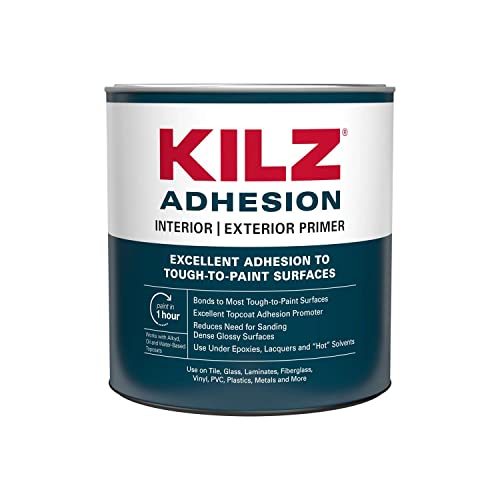
Next, opt for a quality bonding primer. This is crucial as it allows subsequent layers to adhere effectively, eliminating the need for extensive surface preparation. A spray or brush-on version can provide an even coat without the hassle of traditional methods.
Once the primer is dry, choose a high-quality acrylic or chalk-based formula for the finish. These products are designed to work on previously coated surfaces while delivering excellent coverage. Apply thin coats, allowing ample drying time between applications, to achieve the desired opacity and uniformity.
For added durability, consider sealing the final layer with a clear topcoat. This not only increases longevity but also enhances the beauty of the newly refreshed piece, ensuring it remains a cherished addition to your collection for years to come.
Techniques for Revamping Vintage Pieces
Utilize primers specifically designed for glossy or slick surfaces. These products adhere effectively, providing a solid foundation for subsequent layers. Choose a high-quality, bonding primer that will ensure durability and longevity of the finish.


Choosing the Right Type of Coating
- Opt for chalk paint or mineral paint for matte finishes that require minimal surface preparation.
- Select acrylic or latex options for easier application and cleanup while maintaining vivid color.
Application Tips
Utilize a sprayer or foam roller to achieve an even coat without brush strokes. Apply in thin layers and allow each coat to dry thoroughly before adding the next. Avoid heavy application to prevent drips and ensure a smoother surface.
For added texture or a distressed look, utilize a damp cloth to wipe away some of the wet product, revealing the underlying finish. This technique highlights the character of your piece while preserving its uniqueness.
After completing the layers, consider applying a sealant for added protection. This preserves the appearance and ensures that the finish withstands daily use.
Choosing the Right Paint for Antique Furniture
For my projects, I opt for acrylic or chalk-based options. Acrylics offer a durable and smooth finish, while chalk paints create a matte appearance, perfect for an aged look. Both types adhere well, reducing the need for much preparation.
Consider the color scheme. If I want to highlight intricate details, lighter shades enhance carvings, while darker tones can add depth and dimension. When selecting colors, I often rely on palettes that complement existing decor and evoke a specific ambiance.
Don’t overlook the finish. Satin or eggshell finishes provide a subtle sheen, making imperfections less visible and are more forgiving than high-gloss alternatives. Additionally, these finishes tend to be more resistant to wear and tear.
Test samples before committing. I apply swatches on inconspicuous areas to visualize how the chosen colors react to different lighting conditions throughout the day. This helps in ensuring the final look aligns with my expectations.
Lastly, I ensure my selection is non-toxic and environmentally friendly. Options labeled as low-VOC minimize harmful emissions, contributing to a safer indoor air quality, especially if I’m working in confined spaces.
Preparing the Surface Without Sanding
Begin by cleaning the piece thoroughly. A mixture of warm water and mild soap works wonders to remove dirt and grime. Use a soft cloth or sponge to gently scrub all surfaces. Rinse well and let it dry completely.
After drying, inspect the surface closely for any flaking or loose paint. If you find any, carefully scrape it off with a plastic scraper or putty knife to avoid damaging the underlying material.
Applying a deglosser can significantly enhance adhesion. Use a lint-free cloth to apply the deglosser according to the manufacturer’s directions. This step helps prepare the surface, making it less glossy and more receptive to a new finish.
Following deglossing, I recommend using a primer specifically designed for glossy surfaces. This product will help ensure that your final coat adheres well and provides an even finish. Make sure to choose a primer that suits the type of finish planned for the project.
Let each layer dry thoroughly before proceeding. This includes the cleaning, deglossing, and priming stages. Adequate drying time prevents issues like bubbling or peeling later on.
Final inspection is necessary before applying the first coat. Look for imperfections or areas that may need additional attention. Focus on ensuring the entire surface is as smooth as possible. If any areas seem rough, lightly wipe them down with a clean cloth.
Cleaning Techniques for Antique Surfaces
Begin with a gentle dusting using a soft, lint-free cloth. This removes loose dirt without damaging the delicate finish.
Create a mild solution of water and dish soap for deeper cleaning. Dampen a cloth in the solution, wring it out, and wipe the surface lightly. Avoid soaking the wood, which can lead to damage.
For stubborn stains, consider using a mixture of equal parts vinegar and olive oil. Apply sparingly with a clean cloth, then buff gently to remove residue.
In cases of sticky residues or wax buildup, an application of mineral spirits can be effective. Use a soft cloth soaked in mineral spirits and wipe in the direction of the grain. Always test in an inconspicuous area first.
For intricate carvings, a soft-bristled brush or toothbrush can help reach into crevices. Lightly brush the area to dislodge dirt without scratching the surface.
It’s advisable to finish with a dry microfiber cloth to ensure no moisture remains. This protects the underlying layers and maintains the integrity of the original piece.
Regular maintenance involves using a protective wax or polish every few months to keep surfaces looking fresh. Choose products specifically designed for historical finishes.
| Cleaning Technique | Application |
|---|---|
| Dusting | Soft cloth for loose dirt |
| Soap Solution | Mild water and dish soap |
| Vinegar & Olive Oil | For stains; apply and buff |
| Mineral Spirits | For sticky residues; test first |
| Soft Brush | For intricate areas |
| Microfiber Cloth | For drying |
Maintain a consistent cleaning routine to enhance the longevity of cherished pieces. Always proceed with care to respect the history and craftsmanship inherent in each item.
Applying Primer for Optimal Adhesion
I always begin the transformation of vintage pieces by applying a quality primer. This step ensures that the subsequent layer adheres well, enhancing durability. Look for a bonding primer specifically designed for glossy or slick surfaces. It serves as a crucial base by creating a texture that helps the topcoat grip effectively.
Choosing the Right Primer
Select a primer carefully suited for your specific piece’s material. For instance, shellac-based primers work incredibly well on surfaces with a shiny finish, while water-based options are suitable for most applications and easier to clean up.
Application Techniques
<p I prefer using a high-density foam roller for an even layer, especially on flat surfaces. For intricate details or carved areas, a synthetic brush provides precision. Ensure each coat is thin, allowing for quicker drying times and less likelihood of drips or bubbles. After applying the primer, let it cure completely before proceeding with the final coats. This method not only improves adhesion but also contributes to a polished, professional appearance.
Using a Spray Gun vs. Brush
For best results, I recommend utilizing a paint spray gun for a smoother finish compared to a brush. A spray gun distributes color evenly, minimizes brush strokes, and speeds up the application process. This technique is particularly advantageous when working with intricate details, allowing you to reach every nook and cranny.
Comparison Table
| Method | Advantages | Disadvantages |
|---|---|---|
| Spray Gun | Quick application, even coats, great for detailed areas | Requires practice, potential overspray, equipment cleaning necessary |
| Brush | Easy to control, no special equipment, good for touch-ups | Can leave brush strokes, slower process, harder to reach tight spots |
I prefer the spray gun for larger projects where time efficiency and a flawless finish are priorities. For smaller, intricate pieces, a brush might be suitable for precision work.
Layering Techniques for a Smooth Finish
For achieving a flawless result, I utilize layering techniques that enhance both durability and appearance. Start with a thin initial coat, allowing for optimal drying time between layers. This prevents the formation of an uneven surface and ensures adhesion. Aim for at least three coats, particularly if working with lighter colors over dark bases.
Building Up Coats
- Apply each layer using a high-quality, synthetic brush or a foam applicator for minimal texture.
- After the first coat has dried completely, inspect for imperfections, and lightly sand the surface with very fine grit (220-320) if necessary, to remove any raised areas.
- Subsequent layers should be applied in thin, even coats; this helps to prevent drips and runs.
Navigation Between Finishes
For a polished look, consider alternating finishes. For instance, using a satin finish for the first couple of layers followed by a semi-gloss for the final layer can create dimensionality. This approach not only enhances the depth of color but also provides a more resilient surface, significant in high-use areas.
Lastly, allow sufficient curing time for the complete process. Even after the final layer appears dry to touch, a full cure may take up to a week, ensuring that the finish is robust and lasting.
Sealing and Protecting Your Finished Piece
Applying a top coat is critical after completing the transformation of your beloved item. Choose a water-based polyurethane for durability and low odor, ensuring that your result is protected against scratches and stains. Apply the sealer with a foam roller or a synthetic brush to avoid bubbles.
Application Tips
Work in thin layers, allowing ample drying time between coats. Typically, two to three layers are optimal for achieving a resilient finish. Lightly sanding between coats with fine-grit sandpaper can enhance adhesion and create a smoother surface.
Final Care
After the last layer dries, consider using a furniture wax or polish. This provides an additional layer of protection and can enhance the sheen. Regular maintenance, such as dusting and keeping the piece out of direct sunlight, will prolong the life of your revitalized item.
Tips for Touch-Ups and Repairs
For quick fixes, keep a small brush and the same color mixture on hand. This allows for immediate touch-ups on any scratches or chips that occur post-project.
Assess damaged areas closely. For minor scratches, use a wax crayon or colored furniture marker to blend imperfections seamlessly with the surrounding area.
For deeper nicks, apply a wood filler that matches the tone of your surface. After it dries, gently smooth it out before reapplying your color coat.
Be cautious when blending. Feathering the edges can help create a natural transition between the touch-up and the original finish.
Store leftover paint in a cool, dry place, making it easier for future repairs or touch-ups without needing a complete redecorating effort.
Before starting a repair, clean the area thoroughly to ensure optimal adhesion and prevent any dust or debris from compromising the integrity of your repair work.
If an entire section appears worn or outdated, consider using a stencil to cover larger areas with artistic designs, giving a fresh look while hiding flaws.
In case of larger repairs, such as replacing hardware, measure carefully to align new pieces with existing holes, ensuring consistency in appearance.