
 Caleb Turner
To ensure the secure transport of your belongings, first, disassemble larger items like beds and tables. This reduces the risk of damage and optimizes space inside the vehicle. Keep screws and small parts in labeled bags to stay organized.
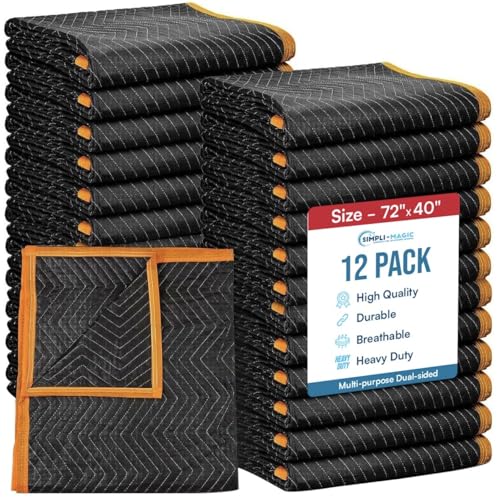
Utilize high-quality blankets or furniture pads to protect surfaces from scratches and dents. Wrap fragile pieces individually, securing them with tape or stretch wrap for added stability. Consider placing heavier items on the bottom and lighter ones on top to maintain balance during transit.
Strategically position larger pieces at the back and sides, using smaller items to fill gaps. This prevents movement while driving, reducing the chances of breakage. Plan your arrangement in advance, sketching a layout if necessary to visualize the most efficient use of space.


Packing Strategies for Large Items
Disassemble pieces like beds, desks, and shelving units. This allows for better fit and creates more manageable sections.
- Remove legs from tables and couches.
- Take apart bed frames, storing the screws and small parts in labeled bags.
- Stack shelves and dismantled items vertically to maximize space.
Optimizing Space Usage
Fill voids in large items to enhance stability. Use soft goods like cushions, blankets, or pillows.
- Place smaller items inside larger ones, such as nesting tables or storage ottomans.
- Use boxes to subdivide areas for additional organization.
- Prioritize heavier items on the bottom and lighter items on top for weight distribution.
Securing Belongings
Wrap items securely to prevent scratches or damage. Make use of bubble wrap or moving blankets.
- Cover surfaces of major pieces with blankets for padding.
- Use strapping to hold items in place during transit.
- Ensure that nothing moves by filling gaps between loaded objects.
Measure Your Furniture and Truck Space
To maximize space, I begin by accurately measuring the dimensions of my belongings. I use a tape measure to find the height, width, and depth of each piece. For sofas and tables, I consider removing legs or other detachable parts to simplify fitting them into tight spots.
Next, I assess the truck dimensions. Knowing the length, width, and height of the cargo area helps in determining how items can be arranged. I make sure to account for the wheel wells and any other protrusions that might limit space. Creating a simple diagram, I sketch out where large items will be placed first, ensuring I can effectively fit smaller pieces around them.
I also take note of door openings and the height clearance in the truck. Ensuring items can be loaded without damage is key, so I estimate angles and space by physically moving around the items as if loading them. If available, using a furniture dolly or sliders can facilitate moving heavy pieces and reduce effort.
After measuring, I consider weight distribution to maintain balance during transport. Heavier items should sit low and towards the front, with lighter pieces above. Creating a weight distribution plan enhances stability and reduces the risk of shifting while driving.
Lastly, I double-check all measurements before loading to avoid surprises during the process. This preparation yields a smoother experience and minimizes the risk of damage or inefficiencies.
Gather Necessary Packing Materials
Begin by collecting sturdy boxes in various sizes. Small boxes are perfect for heavier items like books, while larger ones suit lighter objects. Ensure each box is in good condition without tears or dents to provide maximum support.
Next, secure a generous supply of packing tape. This will help reinforce your boxes and keep them sealed during transportation. Choose tape designed for shipping to ensure durability.
Don’t forget about bubble wrap and packing paper. These materials are ideal for cushioning delicate items. Wrap fragile pieces individually, using several layers to minimize the risk of damage. For additional protection, consider using towels or blankets around more robust items.
Obtain furniture blankets or pads. They safeguard larger pieces by preventing scratches and scuffs. Make sure to have enough to cover each item thoroughly.
Labeling supplies are also important. Get a set of permanent markers and removable labels to mark each container clearly. Indicate the contents and destination room for easier unpacking later.
Lastly, gather a few hand tools, such as screwdrivers and wrenches, for disassembling larger items if necessary. Having these tools on hand can expedite the process when securing your belongings into the vehicle.
Disassemble Large Items for Easier Loading
Taking apart sizable pieces simplifies transport and maximizes available space. Begin by gathering necessary tools such as a screwdriver, wrench, and pliers. This will help disassemble larger components like bed frames, tables, or cabinets more efficiently.
Steps to Follow
1. Remove cushions, pillows, and lightweight parts from sofas or chairs before unscrewing or detaching the main structure.
2. For sleep surfaces, take off the bed slats and legs. Store these in a separate box or bag to avoid misplacing them.
3. On tables, detach legs if possible. This creates a flatter surface, simplifying placement in the vehicle.
4. Keep any hardware together. Use small bags labeled for each item to ensure easy reassembly later.
Benefits of Disassembly
| Benefit | Description |
|---|---|
| Space Efficient | Reduced volume allows for more items to be transported in one trip. |
| Protection | Minimized risk of damage to larger pieces during transit. |
| Organization | Clear labels and grouped components aid in quick reassembly at the destination. |
Disassembling sizeable items offers significant advantages, streamlining the process and optimizing space. Ensure to document the steps if necessary for quicker rebuilding at the new location.
Use Blankets and Shrink Wrap for Protection
Utilizing moving blankets and shrink wrap can significantly reduce the risk of damage during transportation. I recommend wrapping each piece separately to provide a cushion against impact and prevent scratches.
Choosing the Right Blankets
Select thick, durable moving blankets that will absorb shocks. Drape these blankets over larger items, securing them with tape or rope to ensure they stay in place. For glass surfaces, place a layer of bubble wrap under the blanket for added protection.
Applying Shrink Wrap
Shrink wrap is particularly effective for smaller items or to hold multiple pieces together. After covering an item with a blanket, encase it with shrink wrap to ensure it remains secure. This method not only protects surfaces but also keeps items from shifting during transit. Use a hand-held dispenser for ease of application.
Be mindful when removing the wrap; take care not to damage the surface underneath. Combining these materials will create a protective barrier, contributing to a smooth relocation experience.
Load Heavy Items First for Stability
Begin loading by positioning the bulkiest and heaviest pieces at the bottom of the space. This arrangement ensures a stable foundation, preventing shifting during transportation.
- Place large appliances, like refrigerators and washing machines, first. Center them against the walls for an even distribution of weight.
- Position sofas and heavy chairs on top of the appliances. This maximizes space while securing the items below.
- Utilize voids between heavy items for smaller, dense objects such as books or weighty containers.
Follow up with moderate-weight pieces, stacking them strategically to maintain balance. Light furniture should occupy the top layer, minimizing risk of damage to what’s underneath.
- Stack lightweight items like mattresses and cushions last, ensuring they remain unharmed.
- Adjust the arrangement to create a solid structure, using ropes or straps to secure everything in place.
This sequence not only optimizes space but also safeguards your possessions during transport. Maintaining a lower center of gravity is paramount for a secure load.
Utilize Vertical Space in the Truck
Maximizing space involves stacking items vertically. Place taller pieces, like bookcases or couches, on end to conserve floor area. Ensure stability by securing these items, preventing them from shifting during transport. Use the truck’s height to your advantage by placing smaller boxes and lighter items on top, allowing for a well-balanced load.
Fill gaps with smaller belongings, such as pillows and blankets, to minimize movement. Secure everything with straps or ropes to maintain the structure during the drive. Prioritize weight distribution; heavier objects should be lower while lighter ones can sit higher. This method not only optimizes space but also enhances safety on the road.
Consider shelving units or bins for added organization; stacking these can help in creating a more efficient use of vertical dimensions. If possible, utilize the roof of the vehicle for lighter, more durable items, ensuring they are tightly secured and covered to protect from elements.
Fill Gaps with Smaller Items or Packing Materials
Utilizing every inch of space is key. I prioritize filling gaps between larger pieces with smaller belongings such as cushions, bags, or blankets. These items not only fit snugly but also provide extra padding to prevent movement during transit.
I use boxes or packing materials, like bubble wrap or newspaper, to fill voids. This method helps keep the heavier items secure and avoids potential damage. I also wrap fragile objects in these materials to enhance protection.
Another effective tactic is to place smaller appliances or items inside larger objects, like a dresser or a washing machine. This approach conserves space while ensuring that these pieces are secure.
Consolidating smaller items into boxes also allows for easier placement and prevents items from shifting. I label these boxes clearly so I can access what I need without fuss. This level of organization ensures a smoother process when unpacking at the destination.
In summary, my strategy focuses on maximizing space while maintaining the safety of all items, using both small belongings and appropriate packing materials strategically to achieve this goal.
Secure Everything with Straps or Ropes
Using durable straps or ropes ensures that items remain stationary during transit. I recommend securing large pieces like sofas and dressers first, as they are heavy and provide a solid foundation. Position these items against the walls of the cargo space for added support.
Place straps across the furniture in a crisscross pattern to prevent shifting. Make sure to tighten them adequately, avoiding excessive force as that could damage surfaces. For smaller objects, utilize ropes to anchor them in place or cluster them together, minimizing movement.
Consider using ratchet straps for a more secure hold. These allow for incremental tightening, giving me control over how snugly items are held. Wrapping ropes around sections of furniture can absorb shocks, providing extra stability.
When dealing with fragile items, I often secure them with soft straps or layer protective materials beneath the straps to avoid scratches or damage. This method effectively balances both safety and protection.
After securing everything, I always check to ensure there is no slack in the straps or ropes. A quick inspection guarantees peace of mind during transport, knowing everything is in place and ready for the road ahead.
Check Load Balance Before Driving
I ensure weight distribution is even across the vehicle’s axles. I check that heavier pieces are closer to the front and centered, which helps maintain stability and improves handling. I use a level or visual inspection to confirm that the load sits evenly, avoiding any tilt that could lead to steering issues.
If I have access to a scale, I weigh the load before hitting the road. Knowing the total weight prevents exceeding the vehicle’s capacity, which could lead to dangerous situations. I also keep an eye on any protruding items that might affect aerodynamics during transit, as well-balanced cargo enhances fuel efficiency and overall safety.
I remember that shifting weight during travel can occur due to sudden stops or turns. I periodically stop to check the load balance and make adjustments if necessary. This proactive approach ensures that everything remains secure throughout the drive.
FAQ:
What is the best way to prepare furniture before packing it in a truck?
Before loading your furniture into a truck, it’s important to disassemble any pieces that can be taken apart. This includes removing legs from tables, taking shelves out of bookshelves, and disassembling bed frames. Wrap smaller parts in bubble wrap or blankets to avoid damage. For larger items, like sofas and mattresses, it’s advisable to cover them with moving blankets to protect them from scratches and dirt during transit.
How should I arrange furniture in the truck for optimal space utilization?
To maximize space in the truck, start by placing larger, heavier items at the bottom. Position sofas, mattresses, and dressers against the walls of the truck to create a solid base. Fill any gaps with smaller items like chairs, boxes, and cushions. Consider using furniture straps to secure the larger pieces and prevent sliding during transport. Always load the heaviest items closest to the cab for better weight distribution and stability.
What packing materials are recommended for protecting furniture during a move?
Common packing materials include bubble wrap, moving blankets, and packing tape. Bubble wrap is excellent for fragile items, while moving blankets provide cushioning for larger pieces of furniture. Use packing tape to secure these materials in place. Additionally, cardboard boxes can be used for smaller items or loose parts, ensuring they are clearly labeled for easy identification upon arrival.
Is it better to hire professionals or do it myself when packing a truck with furniture?
Choosing between hiring professionals or packing the truck yourself depends on your comfort level, time constraints, and budget. Professionals bring experience and manpower, making the process quicker and reducing the risk of damage. However, if you are skilled at packing and lifting, tackling the job yourself can save money. Assess your furniture and logistics to make an informed decision.
What precautions should I take while loading and unloading furniture from the truck?
Safety should be a priority during loading and unloading. Always lift with your legs, not your back, to avoid injury. Use gloves for a better grip and to protect your hands. If items are particularly heavy or awkward, don’t hesitate to ask for help or use tools like dollies and furniture sliders. Additionally, ensure that pathways are clear of obstacles to prevent accidents.
What are the best techniques for packing furniture into a truck?
To efficiently pack furniture into a truck, follow several key techniques. Firstly, disassemble larger items like bed frames and tables whenever possible. This reduces bulk and allows for easier placement. Next, use blankets or moving pads to protect surfaces and avoid scratches. When loading, start with the heaviest pieces, such as dressers and sofas, at the bottom. Fill gaps with smaller items like chairs and boxes to maximize space. Lastly, always secure your load with straps to prevent shifting during transport.


