
 Caleb Turner
To maximize space while loading a shipping container, begin by disassembling large items. This simplifies arranging pieces and diminishes wasted space. Remove legs from tables, detach shelves, and take apart bed frames. Store screws and small parts in labeled bags to avoid losing them.
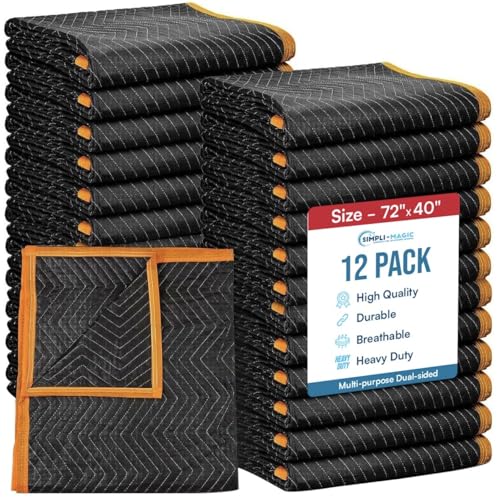
Next, strategically place heavier objects on the bottom. Appliances and sturdy furniture should occupy the lowest levels, ensuring stability. Use soft materials, like blankets or bubble wrap, between pieces to protect surfaces from scratches during transport.


Utilize vertical space effectively. Stand mattresses upright and stack lighter pieces on top of heavier ones. Group smaller pieces together, filling gaps with cushions or small boxes to prevent movement during transit. Use straps to secure items, preventing shifting that can lead to damage.
Packing Tips for Your Storage Space
Prioritize disassembly of larger items. Breaking down beds, tables, and shelves helps maximize the available area and prevents damage during transit. Store screws and small parts inside labeled bags taped to the corresponding furniture for easy reassembly.
Utilize soft materials for protection. Wrap delicate surfaces, such as tabletops and glass pieces, with blankets or bubble wrap. For fragile items like lamps and ceramics, place them in sturdy boxes with padding to avert potential scratches or breaks.
Organizing the Space
Consider a strategic layout. Position heavier pieces, such as couches and dressers, at the bottom to create a stable base. Light-weight items can go on top, ensuring nothing shifts during movement. Leave pathways for accessibility to avoid unnecessary hassle when retrieving belongings later.
Space-Saving Tricks
Maximize every inch. Utilize vertical space by stacking boxes, and fill gaps between furnishings with smaller items like pillows or blankets. Use drawers for storage; they can hold books or folded clothes, optimizing the area while maintaining order.
Choosing the Right Pod Size for Your Furniture
To determine the appropriate dimensions for your storage unit, assess the quantity and types of items you intend to store. Begin by listing large pieces, such as sofas, beds, and dining tables. Measure their dimensions–length, width, and height–then sum the total space required. For example, a standard sofa typically occupies about 7-8 feet in length, while a queen bed, including the frame, covers approximately 10-12 square feet.
Consider Shape and Configuration
Take into account the configuration of your belongings. L-shaped sofas or sectional pieces may require more space than regular sofas. Stackable chairs can maximize vertical space, while bulky cabinets will need additional room. Ensure drawers and doors can open without obstruction to facilitate future access.
Allow for Extra Space
Factor in extra space for protective materials, such as blankets or bubble wrap. Allocating at least 10-15% additional area will enable flexible positioning and easier retrieval of individual items. If uncertain, selecting a larger unit is better than risking damage to belongings or feeling rushed to fit everything snugly.
Preparing Your Furniture for Transportation
Clean each item thoroughly to avoid transferring dirt and grime to other belongings. Use a soft cloth for wooden surfaces and a suitable cleaner for fabric pieces to enhance their condition.
Disassembling Larger Items
Break down larger pieces such as beds and tables into manageable parts. Keep all screws and small components in labeled bags to prevent loss. Utilize the original packaging whenever possible, as it often provides the best protection.
Protective Wrapping Techniques
Wrap each piece securely using bubble wrap or moving blankets. Cover all corners and edges of furniture with additional padding to guard against bumps and scrapes during transit. For glass surfaces, use cardboard or specific glass packing kits.
| Item Type | Recommended Protection |
|---|---|
| Wooden Furniture | Bubble wrap, moving blankets |
| Glass Items | Cardboard corners, glass packing kits |
| Metal Furniture | Bubble wrap, shrink wrap |
| Upholstered Pieces | Plastic wrap, moving blankets |
Secure all wrapped items with tape to prevent slipping. Label each piece clearly for easy identification upon arrival.
Maximizing Space with Smart Packing Techniques
To utilize every inch of available area, begin by disassembling larger items. Take apart beds, tables, and shelves whenever possible. Store screws and small parts in labeled bags for easy reassembly later.
Utilize Vertical Space
Incorporate stackable boxes to capitalize on vertical storage. Choose containers that can be securely piled to free up ground space. Fill any gaps between boxes or larger items with smaller accessories like cushions or decorative items.
Layering and Strategic Placement
Position bulkier, heavier elements at the base to create a stable foundation. Follow with lighter pieces on top, ensuring even weight distribution. Tuck delicate items within furniture drawers or between larger pieces to prevent damage and maximize space.
Securing Your Furniture to Prevent Damage
Wrap individual pieces thoroughly with moving blankets or furniture pads to prevent scratches and dents. Secure the blankets using packing tape or stretch wrap to ensure they stay in place during transport.
Utilize foam corner protectors on sharp edges of items like tables and cabinets to minimize damage risk. These can be easily attached and provide an extra layer of cushioning.
For items with glass surfaces, such as mirrors or tabletops, cover them with bubble wrap. Use packing tape to hold the bubble wrap in place, and place a piece of cardboard over the glass for added protection.
Rethink the arrangement inside the transportation unit. Keep heavier pieces at the bottom and lighter items on top. This strategy not only optimizes space but also protects the more fragile components.
Use straps or rope to tie down larger items to prevent shifting during transit. Secure the furniture against the walls of the space to minimize movement.
- Ensure all drawers and doors are either removed or secured to prevent them from opening during movement.
- Fill empty spaces within furniture, such as drawers or cabinets, with soft items like linens or clothing to prevent shifting.
- Consider using a mattress bag for mattresses to protect against dirt and moisture, ensuring they remain clean and dry.
Lastly, take extra care when loading and unloading. Lift items rather than dragging them, and utilize assistant tools such as dollies or sliders for heavy pieces. This approach reduces the likelihood of impact damage and reflects a well-thought-out strategy for safe relocation.
Organizing Boxes and Smaller Items in the Container
Begin by grouping items into categories–kitchenware, clothes, books, and personal belongings. This approach simplifies retrieval later. Use smaller boxes for lighter items and larger ones for heavier goods to maintain balance and stability.
Labeling and Stacking
Clearly label each box with its contents and the room it belongs to. Use a marker to indicate any fragile items, ensuring those boxes are placed on top to avoid crushing. Stack boxes in a way that heavier boxes are at the bottom and lighter ones on top, creating a sturdy structure.
Filling Gaps
Utilize soft items, such as pillows or blankets, to fill gaps between boxes. This not only prevents shifting but also maximizes space. Consider also disassembling furniture when possible, storing that in smaller sections alongside boxes to create a more organized environment.
Monitoring Temperature and Humidity Inside the Cargo Space
Maintain an optimal environment to protect items stored. Temperature and humidity fluctuations can cause significant damage over time. Consider these specific measures:
Use of Sensors
- Install temperature and humidity sensors to provide real-time data.
- Choose devices that connect to smartphones for ease of monitoring.
- Set alerts for extreme conditions that may require immediate action.
Climate Control Options
- If possible, select a space with built-in climate control. This ensures stability throughout storage.
- Consider portable heating or cooling units for added assistance in maintaining suitable parameters.
Regularly check the readings of your monitoring devices. Keeping track of these factors enables timely adjustments, ensuring the preservation of your valuable belongings during storage. Always be mindful of seasonal changes, as they can impact the internal atmosphere significantly.


