
 Caleb Turner

First, gather the necessary supplies: a sturdy dolly, furniture sliders, and moving straps. These tools will significantly reduce the physical strain and make the process smoother. Ensure you have a clear path to your destination, free of obstacles that could hinder progress.
Before beginning, assess the weight and size of the object. Understand your limits and the safe lifting techniques. Bend your knees and keep your back straight while lifting to avoid injuries. Use teamwork with a friend if the object is large, but many bulky items can be managed solo with proper technique.

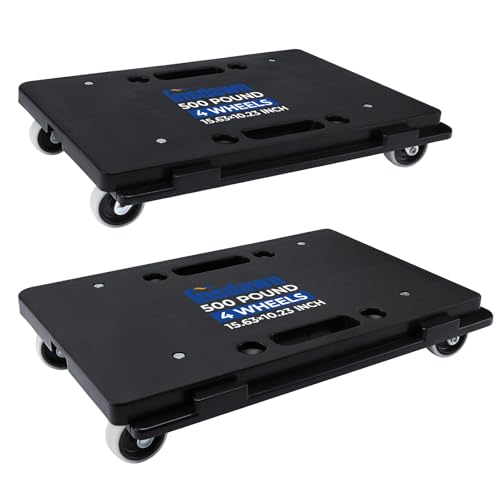

Utilize the furniture sliders under the legs of the piece. This allows for easy gliding across surfaces, preventing floor damage and minimizing effort. For those particularly heavy objects, position the dolly properly, tilting it slightly to balance the load before securing it with straps.
Finally, take breaks as needed. This maintains energy and focus, ensuring a successful shift without unnecessary strain. By following these practical steps, you can handle bulky items with confidence.
Tips for Transporting Bulky Items Independently
Prioritize using sliders or furniture dollies. Placing sliders under the corners reduces friction and eases the glide across floors.
Utilize a lever technique with a sturdy board. Position it under the item, pushing down on the opposite end for efficient lifting.
Consider disassembling complex structures. Removing legs or other detachable parts lightens the load considerably, facilitating easier handling.
Employ straps or harnesses to secure the item tightly against your body. This provides better control and distribution of weight, minimizing strain.
When transitioning through doorways or narrow hallways, angle the object strategically to fit through tight spaces without obstruction.
Moving in stages can be advantageous. Focus on short distances, taking breaks to prevent fatigue and ensure safety throughout the process.
Clear the path of any obstacles before starting. This reduces the risk of tripping or damaging surrounding areas.
Finally, protect your floors with blankets or towels to avoid scuffs and scratches while maneuvering anything substantial.
Assessing the Weight and Size of Your Furniture
Begin with a scale to weigh items whenever possible. For unwieldy pieces, approximate the weight by checking specifications from manufacturers or searching online resources. Consider that wood, metal, and upholstered items have varying densities, impacting their heaviness.
Use a tape measure to document dimensions. Record height, width, and depth to anticipate how they fit through doorways and hallways. Pay attention to any protruding elements like handles or legs that may complicate transport.
In case of uncertainty regarding weight, gather assistance from nearby individuals. Estimate heft based on similar articles encountered previously. Keep a log of the weights and sizes for future reference.
| Item Type | Estimated Weight (lbs) | Dimensions (inches) |
|---|---|---|
| Wooden Dresser | 150-250 | 60 x 18 x 30 |
| Leather Sofa | 200-300 | 84 x 34 x 36 |
| Metal Bed Frame | 80-150 | 80 x 60 x 14 |
| Dining Table | 100-200 | 72 x 36 x 30 |
These measurements assist in planning and identifying suitable equipment or methods, ensuring a smoother transition.
Gathering Necessary Tools and Supplies
I begin by ensuring I have a set of high-quality moving straps. These are critical for lifting and stabilizing large pieces. A hand truck or dolly is also beneficial for transporting bulky items, minimizing strain on my back and arms.
Protective Gear
I never forget to equip myself with protective gear. Gloves are essential to maintain grip and avoid blisters. If the item has sharp edges, I wear a pair of safety glasses to protect my eyes from any potential hazards. Steel-toed boots offer additional protection and stability while handling weighted pieces.
Additional Tools
I find that furniture sliders are invaluable for shifting heavier items across floors without damaging surfaces. If I’m dealing with tight spaces or stairs, I might need a pry bar to assist in navigating obstacles. Having a wrench or screwdriver handy is smart for disassembling items when necessary. Lastly, a couple of moving blankets can prevent scratches and dings during transport.
Choosing the Right Technique for Different Furniture Types
For large couches, I prefer the tilt-and-roll method. By tilting one end and setting it onto a sturdy blanket or furniture dolly, I can easily glide it across surfaces. This technique minimizes stress on my back.
When handling dressers or chests, lifting from the bottom corners ensures stability. I grip securely to maintain balance and pivot using my legs to avoid strain.
For beds, disassembling the frame first is ideal. I take off the legs and headboard, making each piece manageable. Covering them with moving blankets protects against scratches.
Bookshelves can be tricky due to their height. Securing them with straps prevents tipping during transport. I ensure to empty all contents beforehand to reduce weight.
Tables can often be pushed or pulled if they have smooth surfaces. Sliding a piece of cardboard underneath allows for easier maneuverability. However, I avoid scratching floors by lifting when necessary.
With appliances like refrigerators, I use an appliance dolly. Strapping the item securely and navigating through doorways is essential. I employ a helper for corners or tight spaces to avoid accidents.
After choosing the right technique, assessing the environment for potential obstacles is crucial. Ensuring clear pathways reduces the risk of damage and injury.
Preparing the Pathway for Safe Transport
Clear the route of obstacles such as rugs, cords, or any other items that could impede movement. Ensure floors are dry and free from spills, which can cause slips. If any thresholds exist, consider using plywood to create a smooth transition.
Measure doorways, hallways, and any tight spots along the route to guarantee adequate clearance. Make adjustments, like removing doors or temporary fixtures, where necessary. Utilize moving blankets or bubble wrap to protect corners and walls from potential damage while navigating through narrow spaces.
Assessing the Environment
Check for uneven surfaces or stairs. If stairs are involved, plan for additional help or specialized equipment, such as a stair dolly. Allocate extra time to manage these areas carefully to avoid accidents or injuries.
Lighting Considerations
Ensure the pathway is well-lit. Utilize portable lights if necessary to illuminate darker areas. This reduces the risk of accidents caused by poor visibility. Using a flashlight can help in dimly lit zones, making navigation easier and safer.
Utilizing Leverage and Proper Body Mechanics
Applying leverage significantly reduces the strain on muscles while lifting bulky items. To implement this, I position a strong and sturdy wedge or plank beneath the object. By tilting the piece slightly, I create an angle that allows me to lift with minimal effort.
Body Mechanics Techniques
Maintaining correct posture is essential. I ensure to:
- Keep my feet shoulder-width apart for stability.
- Engage my legs, not my back, by bending at the knees while lowering and lifting.
- Hold the item close to my body to leverage my core strength.
Using Tools to Aid Leverage
Certain tools enhance my ability to manage weight:
- Furniture sliders ease movement across surfaces, minimizing friction.
- Hand trucks allow me to maintain an upright posture, preserving energy.
- Sling straps distribute weight evenly, providing a better grip and control.
Incorporating these techniques and tools fosters safety and efficiency while handling large items.
Using Furniture Sliders and Moving Straps
Begin with furniture sliders. They greatly reduce friction, enabling smooth gliding across floors. Place them under corners or edges of the object. For larger pieces, use multiple sliders for balance. Ensure the surface is clean to avoid damage. These tools work best on hard surfaces like wood or tile, but they can also be used on carpets with some adjustments.
Moving straps can provide significant support. They allow me to lift and carry bulky items with ease. Here’s how to use them effectively:
- Wrap the strap around the furniture, ensuring it is snug but not overly tight.
- Adjust the length to accommodate my height for proper lifting posture.
- Use my legs to lift, engaging core muscles for stability.
- Walk backward with the object, keeping my back straight and head up to avoid obstacles.
Combining these two tools can enhance efficiency. First, slide the item to the desired location. Once I need to lift and carry, switch to the straps. This method minimizes risk of injury while maximizing effectiveness.
Remember to measure the item beforehand to ensure the strap accommodates its size. Practicing with lighter items helps build confidence before tackling more substantial loads. With the right approach, tackling large possessions becomes manageable.
Handling Doorways and Staircases with Care
I always take the time to measure both the item and the entry points before attempting transportation. This prevents any unpleasant surprises when I reach a doorway or staircase. I ensure that the dimensions of the piece of furniture allow for a smooth passage through narrow areas.
It’s wise to remove any obstacles near the entrances or landings. This includes hanging decorations, excess furniture, or any other items that might impede progress. I clear a path and keep it free from clutter to maintain focus on the task.
Approaching doorways can be tricky. I angle the object to fit through the opening, often tilting it slightly. I keep the heavier side closer to my body while guiding the lighter end through first. This gives me better control and stability. If I encounter friction or resistance, I make adjustments slowly to avoid damage to both the furniture and the frame.
Staircases require extra attention. I start at the bottom, working my way up, ensuring I keep my balance and footing. I ask for someone to assist if possible, especially with bulky or awkward shapes. When ascending, I pull the item towards me, allowing my body to act as a counterbalance. Descending is a different approach; I let gravity assist while bracing myself against the item to avoid it slipping.
If the piece fits awkwardly, I may consider disassembling parts that can be taken apart. This can reduce weight and size, making it easier to navigate tricky spots. I carry smaller pieces separately, maintaining control and safety.
Finally, I stay alert for changes in my grip or footing while moving through doorways and staircases. A moment of distraction can lead to accidents, so I focus on my surroundings and adjust my strategy as needed.


