Caleb Turner

Utilizing a furniture dolly can significantly ease the burden of handling bulky pieces. By securely strapping your item to the dolly, I can efficiently guide it along staircases, minimizing the risk of damage or accidents.
Enlist a team of friends to assist. Having extra hands available transforms the workload and provides support when navigating tricky corners and tight spaces. My experience indicates that a coordinated effort allows for smoother transitions and reduces potential injuries.
Disassemble larger components whenever possible. Breaking down a piece into smaller parts simplifies transportation. I recommend carrying pieces separately, as it lessens stress on both the item and those lifting it. Labeling components can save time during reassembly.


Protect both walls and the item being relocated. Wrapping vulnerable surfaces in blankets or bubble wrap guards against scratches and dents. I have found this precaution essential for preserving the integrity of both my belongings and the structural features of the building.
Lastly, timing plays a key role. Plan the transfer for off-peak hours, avoiding crowd congestion in hallways or stairwells. I often choose early mornings or late evenings to facilitate a smoother operation without interruptions.
Measuring Doorways and Hallways for Safe Passage
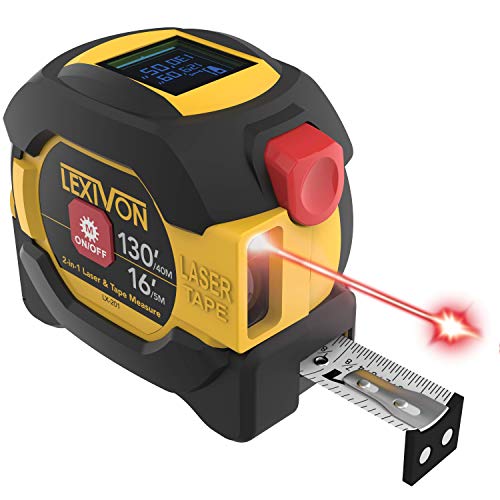
Before attempting to get any large objects inside, I measure both the door frames and the hallways. For door widths, I use a tape measure and record the measurements at three different heights: top, middle, and bottom. This ensures that I account for any variations that may affect entry.
Key Measurements
A typical interior door is around 30 to 36 inches wide. If my item exceeds this width, I consider removing the door from its hinges. Additionally, the height of standard doors is usually about 80 inches. I double-check the height of both the doorway and the item. If the item is taller than the doorway, tilting might be required, or disassembly could become essential.
Hallway Width and Height
For hallways, I measure at several points to find the narrowest section. Ideally, hallways should be at least 36 inches wide for smoother transport. If I discover a tighter spot, I mentally plan how to maneuver the item through those areas. I also check for any light fixtures or corners that might obstruct my path, ensuring the top height of the item won’t get caught.
Lastly, I take note of any furniture or decor in the way. Clearing these obstacles beforehand saves time and effort during the actual transportation process.
Selecting the Right Moving Equipment and Tools
I recommend gathering specific tools and equipment to ensure a smooth transition. A reliable hand truck is essential for transporting larger items. Opt for a model with pneumatic wheels that can handle stairs effortlessly.
Don’t overlook the importance of furniture sliders. These handy pads allow for easy shifting of bulky pieces across floors, minimizing damage to surfaces. Be sure to select the appropriate size for each item.
Investing in moving straps can significantly ease the lifting of heavy objects. These straps distribute weight evenly and reduce the risk of injury. Find a pair designed for two-person use to enhance stability.
Consider using a moving blanket or padding to protect delicate items from scratches and dents. Wrap fragile elements thoroughly, securing them with tape if necessary.
Dollies come in different styles; a four-wheeled dolly is great for stability, while a two-wheeled version is better for maneuvering around tight corners. Choose according to the layout of the space you’ll be working in.
Finally, don’t forget about tools for disassembly. A cordless drill and a set of screwdrivers will help break down larger items, making transport much easier.
Disassembling Components for Easier Transport
Taking apart larger items simplifies the process significantly. Begin with items that have removable parts, such as legs on tables or separate sections in modular pieces. This not only reduces bulk but also minimizes the risk of damage during transit.
Tools Needed
Gather essential tools like a screwdriver set, Allen wrenches, and pliers. A hammer might come in handy for stubborn joints, while zip-lock bags are useful for storing small screws and hardware. Label each bag for easy reassembly.
Steps to Disassemble
First, empty all drawers or compartments, ensuring nothing remains inside that can shift or break. Follow the assembly manual to reverse the process correctly. Take photographs of the assembly stages to aid reassembly later. Make sure to keep all parts organized and clearly labeled.
Utilizing a Furniture Dolly and Straps
For搬 a large item, securing it on a furniture dolly is crucial. This tool allows me to manage heavy pieces while minimizing strain. I ensure the dolly is rated for the weight I’ll be transporting, as safety is paramount.
Using the Dolly Effectively
When positioning the item on the dolly, I place it at the center of the platform to maintain balance. Securing it with straps ensures stability during transit. Before I start rolling, I check that the load is tight and won’t shift.
Strap Techniques for Security
Utilizing straps effectively can be a game changer. I cross the straps over the item for added security, cinching them tightly without over-compressing delicate surfaces. This method keeps everything in place, eliminating rattles and unwanted movement.
| Item Type | Dolly Type | Strap Type |
|---|---|---|
| Sofa | Two-wheel | Cam buckle |
| Bed Frame | Four-wheel | Ratchet |
| Table | Two-wheel | Elastic |
By following these steps, I make the entire process smoother and reduce the risk of damage to either the pieces or the surrounding environment.
Coordinating with Movers for Efficient Teamwork
Establish clear communication channels with the moving team before any lifting begins. Discuss each person’s role, ensuring everyone understands their tasks. This clarity will prevent confusion during the actual lifting process.
Pre-Move Training
Schedule a brief meeting to go over safety protocols and lifting techniques. Reinforcing these points can minimize the risk of injury and damage. Make sure the crew knows how to use equipment properly.
Designate a Leader
Assign a lead person to direct the workflow. This individual should have a comprehensive understanding of the layout and the plan. They will help coordinate movements, ensuring a steady pace and appropriate timing.
- Provide the leader with a walkie-talkie or a similar communication device for constant updates.
- Have checkpoints where the team can regroup and assess progress.
Keep the lines of communication open throughout the process. Encourage team members to speak up if they encounter obstacles or if adjustments are necessary. This proactive approach enhances teamwork and prevents delays.
Protecting Walls and Floors During the Transition
Using corner guards can significantly reduce the risk of damage. Install these on vulnerable areas to shield against scrapes and dents from large items. Choose high-density foam or padded options for maximum protection.
Floor Protection Strategies
Lay down durable moving blankets or padded runners along the pathways. This additional layer not only prevents scratches but also cushions impacts from dropped items. If you’re dealing with hard flooring, consider adhesive floor protection films that adhere without leaving residue.
Wall Safeguarding Methods
To avoid scuff marks and scratches, use painter’s tape to cover lower wall sections. For extra coverage, wrap furniture with bubble wrap or old blankets before lifting. This creates a barrier between your belongings and the walls. Always communicate with your team about the height and width of each piece to prevent accidental contact.
Regularly check your surroundings as you navigate stairs and hallways. Have a thorough inspection of the walls and floors at both the starting and destination points to document any pre-existing conditions. This helps in addressing any potential disputes afterward.
FAQ:
What tools or equipment will I need to move furniture into an upstairs apartment?
To successfully move furniture into an upstairs apartment, you should consider having tools like a dolly or hand truck for transporting heavy items, moving blankets to protect your furniture during the move, and a set of furniture straps to help lift and maneuver bulkier pieces. Additionally, having a few screwdrivers or wrenches on hand can be useful for disassembling and reassembling furniture if needed.
How can I make the moving process easier for myself and my helpers?
To simplify the moving process, create a plan outlining which items you will move first and how you will organize your route. Clear any obstacles in hallways and staircases before you start. Enlist help from friends or hire professional movers to share the weight. Label all items and boxes to know exactly where each piece belongs in your new apartment. Taking breaks and staying hydrated will also keep everyone energized and focused.
What should I do if the furniture won’t fit up the stairs?
If your furniture seems too large to fit up the stairs, there are several options to consider. First, measure the dimensions of both the furniture and the stairway to check for potential routes. If it’s an option, you might be able to disassemble the furniture into smaller parts. If it’s still too difficult, consult with professionals who specialize in moving. They may have special equipment or techniques to navigate tight spaces.
Are there any specific safety tips I should follow while moving heavy items upstairs?
Absolutely! Always lift with your legs, not your back, to prevent injuries. Maintain a stable grip on items and keep your body centered over your feet while lifting. If you’re on stairs, have one person guide from the bottom and another from the top. Use moving straps or a harness for larger items, as this distributes weight more evenly. Wearing appropriate footwear can also enhance grip and stability during the move.
What time of year is the best for moving into an upstairs apartment?
The best time to move can depend on your specific location and weather conditions. Generally, spring and early fall offer mild weather that can make the moving process more comfortable. Avoid moving during extreme heat, heavy rain, or snow, as this can pose safety risks and make the moving experience more challenging. Additionally, weekends tend to be busier, so considering a weekday might help you avoid crowded moving situations.
What are the best tools to use when moving furniture into an upstairs apartment?
When moving furniture upstairs, having the right tools can make a big difference. Essential tools include a sturdy dolly or hand truck for transporting heavier items, furniture sliders to protect floors and make moving easier, and straps or moving blankets to secure items and prevent damage. Additionally, a set of basic hand tools (like screwdrivers and allen wrenches) can be helpful for disassembling and reassembling furniture as needed. Having these tools on hand can streamline the moving process and reduce the risk of injury or damage.