
 Caleb Turner

To create a cohesive look in your space, I recommend focusing on a unifying element–be it color, material, or shape. For instance, if you choose a contemporary seating option, balance it with rustic wooden accents that share similar tones. This practice grounds the design while allowing each piece to shine without clashing.
I find that layering textures can elevate the aesthetic immensely. Incorporate soft fabrics alongside metals or hard surfaces. A plush velvet cushion on a sleek leather armchair introduces visual contrast while maintaining comfort. Mixing these tactile experiences invites both visual interest and practicality.
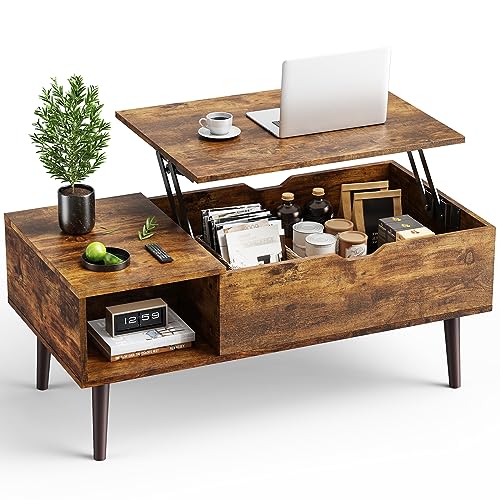


It’s also beneficial to consider proportion and scale. An oversized piece can dominate a room if not paired with smaller, more delicate items. For example, position a large dining table with airy chairs or light fixtures that draw the eye up, creating balance and harmony. This thoughtful arrangement transforms a potential disarray into a well-curated environment.
Don’t shy away from using art and decor as connectors between contrasting elements. A piece of wall art that encapsulates colors from your varied furniture can act as a bridge, harmonizing disparate objects. This approach not only enhances the style but also personalizes the space, making it uniquely yours.
Tips for Combining Various Furniture Designs
Begin with a unifying color palette that ties together the various elements in your space. It can be the walls, accents, or accessories, helping to create cohesion despite the differences.
Choose a dominant piece as the focal point; this could be a rustic coffee table or a modern sofa. From there, other pieces can complement or contrast without clashing. Balance proportions carefully; pairing a large sectional with more delicate chairs maintains harmony.
| Type | Complementing Options |
|---|---|
| Contemporary | Pair with warm woods or vintage accessories |
| Traditional | Mix with modern art or sleek metallics |
| Industrial | Add softer fabrics or vintage decor items |
| Bohemian | Combine with minimalist designs to ground the look |
Utilize textures to create depth. A sleek leather chair next to a plush fabric sofa adds interest. Similarly, layering rugs can define areas and bring together contrasting elements.
Pay attention to scale; avoid overcrowding the space with too many items that are visually busy. Allow for open spaces to breathe, which helps each piece stand out on its own.
Lastly, incorporate personal touches. Accessories like artwork or unique collectibles can serve as conversation starters and help your space reflect your personality despite the mix of influences.
Assessing Your Space and Style Preferences
Begin by measuring the dimensions of your area. Knowing the square footage helps in grasping the proportions needed for the items you’ll choose. I often create a simple sketch to visualize where various pieces will fit without overcrowding a room.
Next, observe the architectural features of the environment. Existing moldings, flooring, and window treatments provide insight into the aesthetic that complements your surroundings. Take note of textures and colors present, as they can guide you toward harmonizing selections.
Then, identify personal tastes. I reflect on colors, patterns, and materials that resonate with me. Collect images or samples that embody my preferences; this creates a tangible reference for my vision. Whether I prefer rustic, contemporary, or eclectic designs, markers of my style should remain evident in every selection.
Consider practical aspects, such as functionality and maintenance. Some materials require more care than others, which might affect my choices. I strive to find a balance between durability and aesthetic appeal, favoring items that will endure daily use.
Finally, prioritize comfort. Assess how different pieces will feel in everyday situations. I often test items in-store or visualize them in use at home. This ensures that each addition will not only enhance visual appeal but also contribute positively to my living environment.
Choosing a Dominant Furniture Style
I recommend selecting one key aesthetic to guide your interior choices. This can create a cohesive environment while allowing for eclectic pieces to shine. Begin by analyzing the main characteristics of each category you like. Consider the following:
- Color Palette: Focus on a primary color scheme that resonates with you. For example, if you favor a minimalist vibe, stick to soft neutrals. This will provide a backdrop for accent pieces.
- Materials: Identify the materials that appeal to you most. Wood, metal, or fabric can dictate the tone of your space. Combining a warm wood with sleek metal accents, for instance, can create an interesting juxtaposition.
- Shapes and Lines: Observe the outlines and forms. If you are drawn to bold geometric lines, let that dictate your larger items while softer forms can serve as balance.
Next, consider practicality. Evaluate your lifestyle needs in relation to your chosen genre. For high-traffic areas, sturdier materials will be more suitable. In a leisure space, comfort may take precedence, influencing the choice of seating and accents.
Lastly, remain open to incorporating a few elements from various influences. This approach can enhance the signature look without overwhelming it. For example:
- Select a robust centerpiece that reflects your dominant aesthetic.
- Add complementary accessories or art pieces that echo your secondary styles.
- Ensure that every item contributes to a unified atmosphere.
By executing this strategy, your space will feel intentional and curated rather than chaotic. With a clear dominant direction, the added variety can create an inviting and personalized environment.
Finding Common Elements Between Styles
Identify shared features that can bridge the gap between various aesthetics. Colors, materials, textures, and patterns serve as unifying themes. For instance, if I have a mid-century chair and a contemporary sofa, I might select a rug that incorporates the chair’s walnut tone and the sofa’s neutral palette to create harmony.
Color Palette
Establishing a cohesive color scheme is crucial. I typically choose a base color that appears in each piece, helping them feel connected. Soft earth tones or muted pastels offer versatility and work well together. Making sure that some accents in the room tie back to the dominant hues can create a seamless flow.
Textures and Materials
Focusing on materials can unify divergent pieces. If I place a sleek metal table alongside rustic wood chairs, using complementary textures like linen throws or woven baskets can bridge the contrast. Mixing shine with matte finishes creates a dynamic yet harmonious arrangement.
Keep an eye on shapes and proportions too. Pairing a round table with angular chairs can soften the visual line, creating a more inviting atmosphere. Emphasizing common attributes allows for unique combinations without clashing, leading to an environment that reflects my personality and vision.
Incorporating Color and Texture for Cohesion
To achieve harmony in a setting featuring various furniture pieces, I prioritize a balanced color palette. I select a dominant shade that resonates with the primary furnishing. From there, I introduce two or three accent colors in smaller items like cushions, art, or decor elements, ensuring they either align with or complement the main hue.
Texture plays a pivotal role as well. In my designs, I intentionally blend materials such as wood, metal, and fabric to enrich visual interest while maintaining coherence. For instance, pairing a sleek leather chair with a rustic wooden table creates an appealing contrast and adds depth.
| Element | Recommendation |
|---|---|
| Color Palette | Select a dominant color, and incorporate 2-3 accent colors. |
| Texture | Combine materials such as fabric, wood, and metal. |
| Accessories | Use decor items in chosen colors and textures to unify the space. |
Mixing patterns can also enhance the overall look. I find that subtle patterns in throw pillows or rugs can help bridge different pieces together, as long as they share a common color. Stripes, florals, and geometrics might coexist comfortably when the colors are consistent.
Lastly, ensuring a consistent finish across different elements–such as matte versus glossy–can set a cohesive tone. By focusing on these aspects, I create a seamless integration of items, resulting in a unique, yet unified ambiance.
Mixing Vintage and Modern Pieces Seamlessly
Choose a focal point that embodies the character of the vintage element, such as a striking mid-century chair or a timeless antique side table. Position modern accents strategically around this piece to create a complimenting interplay. For instance, a sleek contemporary sofa can serve as an engaging counterpoint to the rich tones of vintage wood.
Focus on scales and proportions. Ensure that the size of the items allows for a harmonious balance. A bulky retro armchair may dominate a minimalist space, so pairing it with equally hefty but modern designer elements can mitigate this imbalance.
Consider materials and finishes. Mixing a glossy, metal-legged table with a distressed wooden console works well when thoughtfully arranged. Look for opposing textures–smooth versus rough–to create an engaging visual dialogue without overwhelming the space.
Layering accessories can add depth to your arrangement. Vintage lamps or ornate frames can soften the sharp lines of modern pieces. Incorporate textiles, like a plush vintage rug under a sleek glass coffee table, to tie together the distinct aesthetics.
Utilize a cohesive color palette to unify different eras. Pick shades that resonate between your classic finds and contemporary approaches. Monochromatic or complementary tones can bridge the gap, allowing each item to shine while contributing to a unified identity.
Be bold with your approach–don’t shy away from experimenting with placement. Try juxtaposing an industrial light fixture above a vintage dining table or displaying modern art against an ornate vintage wallpaper. This contrast can lead to unexpected yet pleasing results, enriching the overall ambiance.
Utilizing Accessories to Bridge Style Gaps
To create harmony between contrasting pieces in a room, focus on selecting accessories that share common themes. Look for items like cushions, throws, or artwork that feature a color palette connecting various items. This not only brings coherence but also adds personality to the space.
Consider incorporating decorative objects, such as vases or sculptures, that reflect materials or forms found in other furnishings. For instance, a sleek metal lamp can tie together glass and wood elements, reinforcing a cohesive aesthetic. Additionally, utilizing rugs that incorporate hues from multiple pieces can enhance cohesiveness.
Layering wall art that showcases a blend of styles–like a vintage frame surrounding modern photography–can visually unite diverse elements. Similarly, curated shelves with a purposeful mix of books, plants, and decorative bowls can showcase the balance between old and new, allowing for a seamless transition.
Don’t overlook the power of lighting. Choosing fixtures that resonate with the design language of varying items can serve as a focal point while unifying the room’s overall design. For instance, a modern chandelier can complement both classic and contemporary chairs beautifully.
Incorporating greenery through plants can also act as a unifying factor, softening the contrasts between different pieces and adding a touch of nature that transcends specific styles. Ultimately, thoughtful selection of accessories can bridge gaps and create a holistic, inviting atmosphere.
Testing Your Furniture Arrangement Before Finalizing
Begin with a trial run of your setup using paper cutouts or tape on the floor. This approach allows me to visualize positioning without the commitment of moving heavy pieces.
Here are some specific strategies I utilize:
- Measure each item and replicate those dimensions with paper models, ensuring a proper fit.
- Consider flow and movement; leave ample space for walking paths between key areas.
- Assess sightlines to ensure focal points, such as art or a fireplace, remain unobstructed.
- Use removable markers or painter’s tape on the floor to outline where each piece will sit; this helps in developing a clearer picture of the spatial dynamics.
After arranging, I take a step back and assess the atmosphere:
- Does the setup invite conversation and interaction?
- Are there areas that feel cramped or oversized?
- Is there a balance of visual weight across the room?
Additionally, creating zones can enhance usability. I delineate areas such as reading nooks or dining spaces, considering how best to utilize each section while maintaining harmony.
Inviting feedback from others can provide fresh perspectives. I often ask friends or family for impressions after they’ve spent some time in the space, as they may notice aspects I might overlook.
Documenting the process with photos captures the evolution of the arrangement and allows me to compare options side by side.
Finally, don’t rush into a decision. Live with the arrangement for a few days to see if it meets both aesthetic and functional needs before committing to a final layout.


