
 Caleb Turner

To ensure a snug fit for your outdoor protectors, focus on key dimensions: width, depth, and height. Start by measuring the length and width of the item, taking note of any protruding parts like armrests or legs. It’s crucial to account for these features to achieve a proper fit.
Next, for the height measurement, use a tape measure to determine the tallest point of your belongings. Remember, the measurement should be taken from the ground up to avoid any discrepancies caused by uneven surfaces. It’s wise to jot down each measurement for easy reference.
Before making a selection, consider the shape of the item. For items with irregular contours, grab a flexible measuring tape, which can easily wrap around curves and edges. This extra attention to detail guarantees that all areas are accounted for, yielding a comprehensive understanding of what you need.
Accurate Dimensions for Outdoor Seating Protection
To achieve the right fit for protective coverings, begin with measuring the furniture itself. Take precise measurements of each individual piece–length, width, and height. It’s critical to include any protrusions or unique shapes, particularly with items like lounge chairs that may have contours. Having these details will inform the right coverage size.
Use a flexible measuring tape for rounded edges or complex structures. For rectangular objects, a straight tape should suffice. After gathering dimensions, always round up to the nearest inch for a looser fit, allowing for easier application and removal.


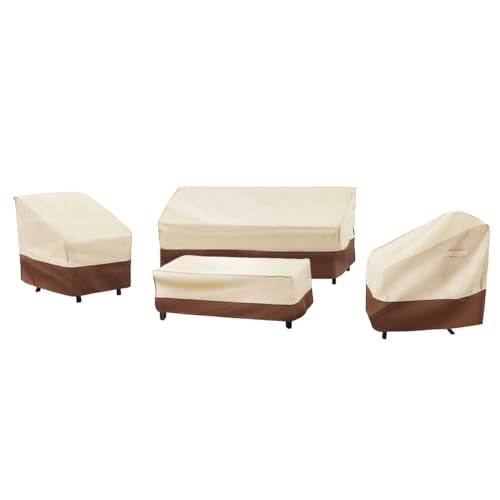
| Measurement Type | Action |
|---|---|
| Length | Measure from the furthest points on either end. |
| Width | Follow the deepest part of the seat or tabletop. |
| Height | From the base to the highest point, factoring in cushions if applicable. |
Once I have the measurements, I review them to ensure consistency and accuracy. This way, I can confidently explore options that will effectively shield my outdoor pieces from the elements. An extra tip: consider the environment–strong winds or heavy rain might require slightly larger sizes to prevent damage from shifting or slipping.
Understanding Different Types of Outdoor Seating
Before acquiring protective wraps, I categorize outdoor seating into specific styles to ensure the best fit. Each type has unique dimensions that influence how I select coverings.
Chairs
For typical chairs, including dining and lounge variations, I observe that standard measurements include the height from the ground to the seat, the total height, and the width of the armrests. Stackable chairs often have a smaller footprint, making them easier to cover with tailored designs.
Tables
When evaluating tables, I focus on both height and shape. Rectangular tables generally require longer protections, requiring precise length and width for comprehensive coverage. Round tables benefit from diameter measurements, ensuring that the entire surface is adequately shielded from the elements.
Gathering the Necessary Measuring Tools
Begin with a quality tape measure; a retractable one is most convenient for obtaining varied dimensions. Ensure it is at least 25 feet long to accommodate larger pieces.
Include a notepad or a digital device to record all dimensions accurately. This prevents confusion and keeps data organized.
A level tool is useful for ensuring that your measurements are taken from even surfaces, especially if the items are placed on uneven ground.
Utilize a square to confirm right angles on more complex shapes, enabling precise calculations for cornered items.
If the items have intricate designs or contours, having a flexible measuring tool, such as a fabric tape or string, will help capture those unique shapes effectively.
Consider a laser distance measurer for speed and precision. It can quickly capture larger distances without the hassle of manual measuring.
Don’t overlook a pen or pencil for marking reference points directly on the items, aiding in quick identification during the measuring process.
Measuring Your Chairs: Height, Width, and Depth
To achieve a snug fit for your protective garments, focus on three key dimensions of your seating: height, width, and depth.
Height Measurement
For accurate height, position a tape measure vertically from the ground to the highest point of the chair’s backrest. Ensure the chair is on a flat surface to avoid discrepancies.
Width Measurement
Width is determined by measuring from one armrest to the other (if applicable) or across the widest part of the seat. Hold the tape straight and parallel to the floor for precision.
Depth Measurement
To assess depth, measure from the front edge of the seat to the backrest. Make sure to account for any cushions that may influence the depth when seated.
Additional Tips
- Double-check measurements to ensure accuracy.
- Consider any additional features like recliners that may affect dimensions.
- Make note of any decorative elements that could impact fit.
Transferring these measurements to a design or a cover order will help you achieve the best results. Always keep those dimensions handy for future reference.
Taking Measurements for Tables and Fire Pits
To accurately obtain dimensions for tables and fire pits, focus on three critical aspects: length, width, and height.
Measuring Tables
For rectangular or oval tables, capture the length and width across the widest points. If your table has extending leaves, measure it both with and without them deployed. For round tables, measure the diameter by crossing the center with a straight line. Height is determined from the ground to the top of the table surface. If the table has an umbrella hole, record the diameter of that opening as well.
Measuring Fire Pits
Measure the diameter or the length and width if the fire pit is rectangular. Height is evaluated from the ground to the top edge. If the fire pit has a lid or cover, consider measuring the lid’s dimensions separately to ensure a snug fit. Always remember to account for any additional features like decorative elements, which could influence the size needed for protection.
Account for Armrests and Other Protrusions
To achieve a proper fit for your outdoor seating, it’s crucial to account for armrests, backrests, and any other protrusions. These elements can significantly alter the dimensions needed for a snug protective covering.
Taking Accurate Measurements
Follow these steps for precise dimensions:
- Measure the height from the ground to the top of the armrest, not just the seat height.
- For width, include the total distance across the widest part of the armrests.
- Assess the depth by including any cushions or additional padding that may extend beyond the frame.
- When measuring height, consider any vertical supports that might extend above the seating area.
Consider Additional Features
If your seats have any unique characteristics like reclining features or decorative elements, ensure to note those measurements as well. The outline of the cover should accommodate these features to prevent stress on the seams and fabric over time.
Adjust your measurements based on the specific design. For example, if your chairs have wide armrests, add a few extra inches for coverage, which also allows for movement during windy weather.
- Armrests: Measure at the highest point.
- Backrests: Measure from the ground to the tallest point of the backrest.
- Cushions: Include any added height when measuring the total dimensions.
This thorough approach ensures accuracy, providing better protection for your outdoor seats, regardless of their design or features.
Determining the Shape of Your Furniture Sets
Begin by identifying the geometric configuration of your seating and tables. Note whether the pieces are rectangular, round, square, or an irregular shape. This will significantly impact the type of protection you select. For chairs and loveseats, if they’re curved, factor in their contours when planning for your protective layers.
Common Shapes and Their Measurements
Rectangular sets typically require straight coverage, while circular models might need specially tailored options to avoid gaps. For sectional arrangements, consider each segment’s orientation and connection points. Be attentive to how the pieces fit together, as this will ensure a snug fit for your coverings.
Analyzing Projections and Extensions
Look closely at any extended elements, such as table legs or decorative features. Allow for additional space when documenting measurements to accommodate these parts. Utilize a flexible measuring tape for capturing the unique dimensions accurately, providing a better safeguard against the elements.
Measuring for Wind Resistance: Extra Features to Consider
To ensure stability against gusts, I consider several features that enhance the resilience of the protective layer. Key elements include:
- Adjustable Ties: Look for models with adjustable straps or ties that can be secured around the legs or underside of the structure. This prevents the covering from being lifted by strong winds.
- Weighted Hems: Opt for products with a weighted bottom. This added weight helps keep the material grounded, minimizing flapping during windy conditions.
- Elastic Edges: Covers with elastic hems provide a snug fit. This feature prevents unnecessary movement and exposure during storms.
- Ventilation Flaps: Some designs include flaps that allow air circulation while still keeping debris out. Proper ventilation reduces the chance of the cover ballooning or tearing during high winds.
- Reinforced Stitching: Examine stitching quality. Double-stitched seams enhance durability and resist the strain from wind, prolonging lifespan.
Incorporating these features leads to a more secure and reliable protection system for outdoor items, safeguarding them from the elements and extending their longevity. Always choose a model that corresponds with the type and shape of the structures they will cover for optimal performance.
Considering Weather Elements and Material Compatibility
Prioritize the climate conditions in your region to ensure the protection of your outdoor seating and surfaces. Start by assessing average rainfall, humidity, sunshine intensity, and temperature fluctuations throughout the year. For example, in areas with heavy rain, materials like canvas or polyester might not be suitable, whereas waterproof options like vinyl can provide superior defense.
Evaluate the UV resistance of materials if your space receives prolonged sun exposure. Fabrics designed with UV-resistant treatments will prevent fading and degradation over time. In regions with high humidity, opting for materials resistant to mold and mildew is crucial for maintaining longevity and appearance.
Material Compatibility Table
| Material | Weather Resistance | Best Use Cases |
|---|---|---|
| Canvas | Water resistant, but not waterproof | Moderate climates with occasional rain |
| Polyester | Water resistant, UV treated | Sunny, dry regions |
| Vinyl | Waterproof, UV resistant | Wet and sunny environments |
| Sunbrella | Waterproof, excellent UV resistance | High-end applications in all weather |
For windy conditions, select covers with additional securing features such as straps, buckles, or weighted edges to prevent them from blowing away. Regularly check the integrity of the fabric, and ensure it’s compatible with your local weather patterns for optimal protection.
Creating a Comprehensive Measurement Chart
My first step involves developing a simple yet detailed chart to track dimensions. This chart should include specific attributes such as length, width, height, and depth of each item. I recommend creating separate columns for chairs, tables, and other pieces, allowing for easy comparison.
Include Additional Details
Beyond basic measurements, I add fields for armrest height, table leg clearance, and any unique components like cushions or built-in storage. Including these details ensures that all aspects are considered when selecting protective covers. Additionally, I note the shape of each piece, whether it is round, rectangular, or irregular, as this affects the fit of the protective gear.
Regular Updates and Observations
Keeping this chart updated with any changes in my outdoor setup is essential. As I add or replace items, I adjust the measurements accordingly. This practice guarantees that I have the most accurate specifications whenever I need to purchase new protective gear. The chart becomes a reliable point of reference, saving time and effort in the long run.
FAQ:
What measurements do I need to take for my patio furniture covers?
To measure your patio furniture for covers, begin by determining the length, width, and height of each item. For chairs, measure the width and depth of the seat as well as the height from the ground to the top of the backrest. For tables, measure the diameter if it’s round, or the length and width if it’s rectangular. Always add a few extra inches to account for ease of fitting and to ensure complete coverage.
How can I ensure a proper fit when ordering furniture covers?
A proper fit for your outdoor furniture covers can be achieved by carefully measuring each piece of furniture and considering the shape. For items with unique dimensions, like sectional sofas or odd-shaped chairs, take multiple measurements from different sides and use the largest dimensions. Be sure to round up and check the manufacturer’s sizing guides, as they often recommend the best sizes for various furniture shapes.
Should I consider the material of the furniture when measuring for covers?
Yes, the material of your patio furniture can influence how you measure for covers. For example, if the furniture has cushions or is bulkier due to its design, measure the furniture without the cushions first and then decide if extra coverage is needed for the thickness added by the cushions. Additionally, consider if the furniture’s material expands or contracts, as this might affect the fit of the cover over time.
Is it necessary to measure for covers every season?
It is not always necessary to measure for covers every season, but doing so can be helpful, especially if you have recently acquired new furniture or if any of your existing pieces have changed in shape or condition. Regular measurements ensure that you maintain the right fit over time and account for any wear or adjustments in furniture size due to weathering or settling.
What tools do I need to measure my patio furniture?
To accurately measure your patio furniture, you will need a soft measuring tape for flexibility, especially around curved surfaces. A pen and paper can help you jot down measurements, or you may use a smartphone app for convenience. If you have particularly large items, a yardstick or a laser distance measurer could be useful for obtaining precise measurements quickly.
What are the key measurements I need to take for patio furniture covers?
To measure for patio furniture covers, it’s important to take several key dimensions. First, measure the length of the furniture from one end to the other. Then, measure the width across the widest part. The height is also crucial, especially for chairs and tables, so measure from the base to the highest point. If your furniture has any unique shapes or features, like curved backs or extended arms, take those into account as well. It may also be helpful to measure any additional elements, such as cushions or decorative pieces, that you wish to cover.
How should I handle irregularly shaped patio furniture when measuring for covers?
When dealing with irregularly shaped patio furniture, take a few extra steps to ensure a proper fit. Start by measuring the longest and widest parts of the furniture, as you would with standard shapes. Then, use a flexible measuring tape to capture curves or contours closely. It’s also wise to create a template using cardboard or paper to visualize the cover shape. If the pieces are highly distinctive or have multiple sections, consider contacting a manufacturer for custom covers, as they can provide specific guidance based on your measurements. Taking the extra time to measure accurately can save you from issues down the line with fit and protection.


