
 Caleb Turner

Apply a mixture of equal parts vinegar and olive oil directly onto a clean cloth, then wipe it over the surface. The acetic acid in vinegar helps to break down grime, while the oil adds a protective layer and enhances the natural color.
For deeper cleaning, create a paste of baking soda and water. Gently rub this mixture onto scuffed areas using a soft cloth. This method safely removes blemishes without damaging the coating.
To finish, consider using beeswax or a specialized wood polish. These products not only provide a long-lasting sheen but also nourish the wood, protecting it from future wear and tear. Apply with a clean cloth, let it sit for a few minutes, and then buff until the desired gloss is achieved.
Regular maintenance will keep surfaces looking immaculate–dust frequently and use coasters to prevent rings. With these straightforward techniques, the natural beauty of those wooden creations will be preserved for years to come.


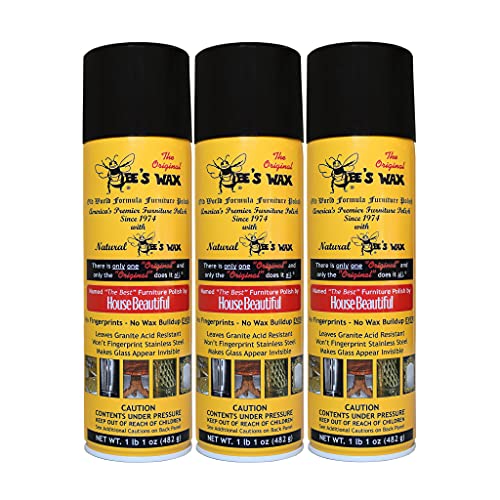
Selecting the Right Cleaning Products for Wood
Choose mild soap mixed with warm water for everyday dust removal. This ensures a gentle approach, maintaining the surface’s integrity. Avoid harsh chemicals which can strip finish or alter appearance.
Natural Alternatives
Opt for natural oils, like olive or lemon oil, to nourish surfaces. They add a protective layer while enhancing the natural beauty. Mix a small amount with equal parts of vinegar for an effective cleaner that eliminates grime without damage.
Specialized Wood Cleaners
Use products specifically formulated for varnished or oiled surfaces. Check labels carefully; look for pH-balanced solutions suited for your finish type. These options feature gentle formulas that clean efficiently, ensuring longevity without harming the wood.
Preparing the Surface Before Polishing
Thoroughly clean the surface to remove dust, dirt, and grease before applying any finishing product. I use a microfiber cloth for this purpose, as it traps particles effectively without scratching the finish.
If the surface has any sticky residues or old wax, a gentle soap solution can help. Mix mild dish soap with warm water, dampen a cloth, and wipe down the area. Be sure to follow up with a dry cloth to prevent moisture damage.
Inspect for any imperfections like scratches or dents. If necessary, sand the affected areas with fine-grit sandpaper to smooth them out. Always sand in the direction of the grain to maintain a consistent surface texture.
After sanding, a thorough wipe down is essential to eliminate any dust created during the process. A tack cloth is ideal for this task, as it picks up fine particles left behind.
Once the surface is clean and smooth, let it dry completely before proceeding to the polishing step. This preparation ensures that the final application adheres properly and results in a flawless finish.
Choosing the Best Polishing Techniques
I recommend buffing with a soft, lint-free cloth for optimal results. This method minimizes scratches and enhances the surface without damaging the finish. For larger surfaces, a rounded buffer can cover more area efficiently.
Another effective approach is using a foam applicator. Its density allows for even distribution of polish, ensuring no streaks remain. This technique is particularly beneficial for intricate details or carved areas.
If I prefer using a spray polish, I ensure to apply it evenly from a distance of about 12 inches. This prevents pooling and allows for a smooth finish. Always wipe in the direction of the grain to avoid leaving marks.
Incorporating a combination of techniques can enhance the final outcome. For instance, I might start with a foam applicator for application, followed by a cloth for buffing, achieving a brilliant luster throughout the piece.
Periodic maintenance is crucial. Regularly polishing can help maintain the finish and protect against wear. I suggest using a light wax-based polish occasionally to reinforce the protective layer.
Homemade Solutions for Wood Shine
I often rely on simple, homemade formulas to enhance the luster of various surfaces. One effective mixture combines equal parts of olive oil and vinegar. This blend adds moisture and shines while providing a protective layer. Apply the solution with a soft cloth, buffing gently to achieve the desired effect.
Another option is a blend of beeswax and coconut oil. This natural concoction not only polishes but also protects against scratches. Melt equal parts of both ingredients, let them cool slightly, and apply onto the surface with a cloth, followed by buffing for a brilliant finish.
For those looking at a multi-purpose cleaner, a mixture of water and a few drops of dish soap can be effective as well. Use a damp cloth to wipe down surfaces before applying any polish, ensuring cleanliness as a foundation for shine.
The following table lists common homemade solutions and their benefits:
| Solution | Ingredients | Benefits |
|---|---|---|
| Olive Oil & Vinegar | Equal parts olive oil and vinegar | Adds moisture and shine, protects wood |
| Beeswax & Coconut Oil | Equal parts beeswax and coconut oil | Polishes and protects from scratches |
| Water & Dish Soap | Water with a few drops of dish soap | Cleans surfaces before polishing |
Using these homemade preparations not only beautifies surfaces but also ensures that I have control over the ingredients, making them a safe choice for my home. Regular maintenance with these solutions can enhance the durability and appearance of every piece.
Applying Wax: Steps for a Glossy Finish
Begin with a clean surface. I ensure it is free from dust and dirt by using a soft, lint-free cloth. This avoids any scratches during the waxing process.
Choose a high-quality paste or liquid wax suitable for the type of finish on the item. I prefer a natural beeswax blend for its durability and natural properties.
Application Process
Using a clean, soft cloth or applicator pad, I apply a small amount of wax. Working in circular motions allows for even distribution. I focus on one small section at a time, ensuring thorough coverage.
Let the wax sit for a few minutes to allow it to penetrate. For deeper finishes, consider leaving it longer. After the dwell time, I use a different clean cloth to buff the surface, applying light pressure for a more intensified gloss.
Finishing Touches
If additional shine is desired, I repeat the wax application process. Each layer adds depth to the finish. It’s crucial to avoid over-waxing, which can lead to a buildup and a dull appearance.
Lastly, I allow the piece to cure for about 24 hours before use. This ensures the wax sets properly, providing a lasting, lustrous finish.
Maintaining Shine: Regular Care Tips
Wipe surfaces with a soft, lint-free cloth weekly to remove dust and prevent build-up. This simple step keeps the finish intact and enhances brilliance.
Use coasters for drinks and placemats for hot dishes to avoid moisture and heat damage. Such protective measures are crucial for longevity.
Refrain from placing items near windows. Direct sunlight can lead to fading and discoloration. Positioning is key for protecting the surface.
Check humidity levels in the room. Excessive dryness can cause cracking, while high moisture can lead to warping. Aim for a consistent environment to preserve integrity.
Test any new cleaning product or solution on an inconspicuous area before applying it broadly. This precaution helps avoid unwanted reactions.
Consider applying a light layer of mineral oil every few months. This treatment enhances the richness of the surface and adds a subtle gleam.
Regularly inspect joints and connections for looseness, tightening them as needed. Stability contributes to the overall appearance and function.
Store items carefully to avoid scratching or denting surfaces. Consider using felt pads or soft cloths beneath objects that are frequently moved.
For heavy-use areas, I schedule seasonal deep-cleaning sessions with appropriate techniques. This keeps surfaces looking polished and well-maintained.
Tackling Stains and Scratches on Wood Furniture
For stubborn stains on the surface, I use a mixture of olive oil and vinegar. Equal parts applied with a soft cloth can lift grime effectively, but I ensure to test it on a small area first to avoid discoloration.
For scratches, I prefer using a walnut. Rubbing the meat of the walnut over the scratch fills it in naturally, thanks to the oils in the nut. Afterward, I buff it gently with a cloth.
In cases of water rings, I find that placing a soft cloth over the stain and using a warm iron for a few seconds helps draw moisture out. It’s important to keep the iron moving to prevent damage.
To address deeper scratches or gouges, I turn to wood filler. I match the color closely to the finish, apply it, and once it’s dry, sand it down gently before polishing the area.
For any stubborn marks, I rarely go without my homemade baking soda paste, which is simply baking soda mixed with water. I apply it gently with a cloth, then wipe clean. This method often restores the surface without harsh chemicals.
FAQ:
What are some natural ways to make wood furniture shine?
There are several natural methods to enhance the shine of wood furniture. One effective option is to use a mixture of olive oil and lemon juice. Combine two parts olive oil with one part lemon juice, apply it to a soft cloth, and gently rub it onto the wood surface. This not only adds shine but also nourishes the wood. Another alternative is to use a mixture of vinegar and olive oil. This combination can clean and add a polished look to your furniture as well.
How often should I polish my wood furniture to keep it looking shiny?
The frequency of polishing wood furniture can vary based on factors like usage and exposure to sunlight. As a general rule, it is recommended to polish every three to six months. If the furniture is frequently used or in a sunny area, consider polishing more often to maintain its luster and protect the wood from drying out. Regular dusting with a microfiber cloth can also help keep surfaces looking clean and shiny between polishing sessions.
Are there specific products I should avoid when cleaning wood furniture?
Yes, there are certain products that should be avoided to prevent damage to wood furniture. Avoid using harsh chemicals, ammonia-based cleaners, or anything with abrasive ingredients that could scratch the surface. Additionally, products containing silicones can provide a temporary shine but may lead to buildup that dulls the finish over time. Instead, opt for pH-balanced cleaners specifically designed for wood surfaces or natural solutions like vinegar and olive oil.
Can I use food-grade oils on my wood furniture?
Yes, food-grade oils, such as mineral oil or coconut oil, can be safely used on wood furniture, especially in kitchens or dining areas. These oils not only polish the surface but also condition the wood, preventing it from drying out or cracking. Just be sure to apply a thin layer and buff with a clean cloth to avoid any sticky residue that can attract dirt.
What should I do if my wood furniture has scratches or dull spots?
If your wood furniture has scratches or dull areas, there are a few remedies you can try. For minor scratches, rubbing a walnut or almond over the area can help to fill in the scratch and blend it with the surrounding wood. For more significant dull spots, you can use a wood furniture polish or a DIY solution of equal parts vinegar and olive oil, applying it with a soft cloth in the direction of the grain. Regular maintenance and timely touch-ups can help restore the furniture’s shine and protect against further damage.
What are some natural methods to make wood furniture shine?
There are several natural methods you can try to make your wood furniture shine effectively. One popular option is using a mixture of olive oil and vinegar. Combine two parts olive oil with one part vinegar in a spray bottle, shake well, and spray onto a clean cloth before buffing your furniture. This method not only adds shine but also nourishes the wood. Another approach is to use beeswax. Simply melt some beeswax and apply it to the furniture using a soft cloth, then buff it to a shine. Additionally, you can use a mixture of lemon juice and olive oil for a refreshing scent and glossy finish. These natural methods can enhance the beauty of your furniture without harsh chemicals.


