Caleb Turner

Applying a high-quality sealant is a non-negotiable step to enhance durability against moisture and UV rays. Look for a product specifically designed for exterior use, as these provide a protective barrier that penetrates deep into the grain.
Regular maintenance plays a crucial role in longevity. I recommend cleaning the surfaces every few months with a mild detergent and water, followed by a thorough drying process. This prevents the accumulation of dirt and mildew, which can deteriorate the material over time.
Additionally, investing in covers is a smart choice. They safeguard against harsh weather conditions–ranging from heavy rain to intense sunlight–while ensuring ventilation to avoid mold growth. Choosing breathable materials for these protective covers can significantly reduce the risk of moisture retention.
Stains specifically formulated for outdoor application can further enhance resilience. A transparent or semi-translucent finish not only protects but also highlights the natural beauty of the grain. Ensure to reapply these finishes annually for optimal protection.
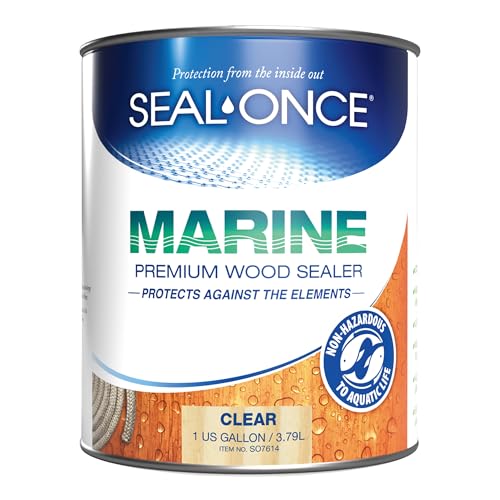


Outdoor Preparation for Wood Items
Seal all surfaces with a high-quality exterior varnish to protect against moisture and UV damage. Make sure to apply at least two to three coats, adhering to drying times between applications for maximum durability.
Choosing the Right Sealant
Select a product specifically designed for outdoor use. Look for sealants that are labeled as water-resistant and UV-resistant. Common options include marine varnish and polyurethane with added additives for added protection.
Maintenance Practices
Regularly clean the pieces with a mild soap solution to remove dirt and grime. Inspect for wear and reapply the sealant annually, or as needed, to maintain its protective barrier. Store items in a sheltered area during harsh weather conditions to extend their lifespan.
| Sealant Type | Benefits | Application Frequency |
|---|---|---|
| Marine Varnish | Excellent water resistance, UV protection | Every 1-2 years |
| Polyurethane | Durable finish, scratch-resistant | Annually or as needed |
| Oil Finishes | Enhances wood grain, natural look | Every season or before storage |
Choosing the Right Type of Wood for Outdoor Furniture
Selecting suitable species is foundational for durability against weather elements. I recommend considering the following types:
- Teak: Renowned for natural oils that resist moisture and insects, making it an ideal option for extended outdoor use.
- Cedar: Lightweight with natural preservatives, it repels bugs and prevents warping, perfect for humid climates.
- Redwood: Offers excellent durability and resistance to decay, making it an outstanding choice for varied weather conditions.
- Ipe: A dense, tropical hardwood known for its longevity and ability to withstand extreme weather, although it can be more expensive.
- Acacia: Affordable and attractive, it is known for its water-resistant properties but may require more maintenance.
Avoid softer woods like pine or fir, as they are prone to rapid wear and damage from moisture and pests. If using these, ensure thorough treatment and maintenance.
When choosing, consider local climate conditions. High humidity may necessitate more resistant options like teak or ipe, while drier conditions may allow for lighter woods like acacia.
Ensure minimal knots and imperfections in the grain, as these areas can weaken the structure, leading to issues over time.
Perform regular assessments to address any wear and tear, maintaining the integrity of the material for years to come.
Preparing the Surface: Sanding and Cleaning
I recommend initiating the process with a thorough cleaning of the material. Utilize a mixture of mild soap and water to remove dirt and grime. A soft cloth or sponge works well for this task. Ensure that the surface is completely dry before proceeding to the next step.
Sanding is critical for creating a smooth and even texture. Begin with a coarse grit sandpaper (80-120 grit) to remove any imperfections or rough areas. Move in the direction of the grain to avoid scratches. After achieving the desired smoothness, switch to a finer grit (220 grit) to refine the finish.
<p. Clear any dust and debris generated from sanding using a tack cloth or vacuum. This step prevents contaminants from interfering with any future protective treatments. Ensure the surface is clean and dry before applying finishes or sealants.
<p. If working with reclaimed or previously finished pieces, strip old coatings using a chemical remover or sander as necessary. Always follow up with extensive cleaning to eliminate residues from the stripping agents.
<p. Proper preparation of the surface lays the groundwork for durability and longevity, optimizing any protective treatment applied later.
Applying Wood Sealant: Types and Techniques
Choosing the right sealant is crucial. I prefer penetrating sealants for their ability to soak into the fibers, offering deep protection. There are several types available, including oil-based, water-based, and hybrid options. Oil-based sealants provide excellent durability but require longer drying times. Conversely, water-based alternatives dry quickly and clean up easily but may need more frequent reapplication.
Before applying, the surface must be clean and dry. I usually sand the wood to a smooth finish, removing any dust or debris. This step enhances adhesion. After sanding, I wipe the surface with a damp cloth to eliminate any dust particles.
Application techniques vary. I often use a brush or roller for broader areas, ensuring even coverage. For intricate designs, a foam applicator or spray can be more effective. It’s important to apply thin, even coats, allowing each layer to dry before adding another. This approach maximizes protective qualities and prolongs durability.
Regular maintenance after sealing is key. I schedule inspections to check for signs of wear and damage, reapplying sealant as necessary to maintain a protective barrier against the elements.
Using Outdoor-Specific Paints and Stains
For optimal durability against the elements, I choose paints and stains specifically formulated for external environments. These products often contain additives that protect against UV rays, moisture, and temperature fluctuations. Look for options labeled as “weather-resistant” or “exterior grade.”
Selecting the Right Color
Dark colors tend to absorb more heat, which can lead to quicker deterioration. I prefer choosing lighter shades that reflect sunlight to maintain surface integrity longer.
Preparation Before Application
Thoroughly cleaning and priming the surface is non-negotiable. A degreaser followed by a dedicated primer ensures adhesion and further protects the fibers. I also allow ample drying time to enhance the end result.
Application should be done evenly, preferably with a brush or sprayer for better coverage. I apply multiple layers, allowing adequate drying time in between, which creates a robust barrier to moisture and other environmental factors.
After finishing, I inspect the surface for any missed spots, and I regularly maintain this protective layer to extend its life. With the right approach, my investments in exterior pieces remain beautiful and functional for years.
Implementing Proper Drainage to Prevent Water Damage
To protect items from moisture, I ensure proper water drainage. Creating a slight slope in the area where my pieces are placed promotes swift runoff. A grade of about 2% is generally sufficient to direct water away efficiently.
Materials to Consider
Using gravel or decorative rocks around my installations helps absorb excess water while maintaining aesthetic appeal. I also incorporate perforated drainage pipes to channel water away from the furniture, especially in areas prone to pooling.
Maintenance Routine
Regularly clearing debris from drains and ensuring unobstructed flow is crucial. I inspect areas after heavy rainfalls to confirm there’s no accumulation of water, addressing any drainage issues promptly to avoid long-term damage.
Protecting Against UV Rays: Finishing Options
I recommend using a high-quality UV-resistant finish for maximum protection. Polyurethane varnishes, particularly marine-grade, offer excellent durability against harmful rays. These finishes create a tough barrier that resists fading and oxidation.
Oil-Based Finishes
Oil-based products like teak oil or tung oil penetrate deeply into the material, providing a rich, water-resistant layer. Choose options that contain UV inhibitors for enhanced protection. Reapplication is necessary every few months to maintain effectiveness.
Water-Based Finishes
Water-based sealants have gained popularity due to their ease of application and lower environmental impact. Look for formulations specifically designed to resist UV damage. They dry clear and maintain the natural aesthetic while offering robust protection.
Regular maintenance is key. Inspect surfaces periodically, and reapply the chosen sealant as needed to ensure continuous UV defense.
Regular Maintenance Tips for Long-Lasting Furnishings
Clean surfaces regularly with a soft cloth to remove dirt and moisture, preventing mold and mildew growth. A simple solution of mild soap and water can be effective, but ensure thorough rinsing to avoid residue buildup.
Inspect joints for any signs of wear or loosening. Tighten screws or bolts as needed to maintain structural integrity. Consider applying wood glue to any wobbly components for added stability.
Periodic Sealing
Reapply sealer annually or biannually, depending on exposure to the elements. If you notice fading or a rough texture, it may be time for a fresh coat. This helps to keep the surface water-resistant and reduces the risk of splitting or cracking.
Storage Solutions
During extreme weather, consider storing items indoors or under protective covers. If space permits, moving them to a sheltered area can significantly extend their lifespan. Additionally, using furniture pads can help prevent scratches if items are moved frequently.
Maintain a consistent routine, as proactive care is key to longevity. Avoid harsh chemicals that could damage finishes and opt for products designed specifically for such items. Regular upkeep not only preserves appearance but also ensures functionality over time.
Storing Items During Off-Seasons
Prioritize dry storage to prevent moisture issues. Indoors is ideal; a basement, garage, or shed works well. If indoor space is limited, consider using a high-quality tarp wrapped tightly for outdoor storage, ensuring it’s elevated off the ground to discourage water accumulation.
Protective Covers
Invest in durable protective covers designed specifically for your pieces. Look for breathable materials that prevent mold while warding off rain and snow. Secure ties or straps will keep the covers in place, even during windy conditions.
Disassembling for Storage
If applicable, disassemble larger items to save space and reduce the risk of damage. Store screws and connectors in labeled bags to ensure easy reassembly in the next season. Keep all parts organized and accessible.
Understanding the Impact of Climate on Wooden Items
Exposure to humidity, rain, and temperature fluctuations is detrimental to the longevity of wooden pieces. The first step is to choose species that withstand the elements. Teak, cedar, and redwood contain natural oils that provide resistance to moisture and insects.
In humid environments, consider applying protective coatings more frequently. High moisture levels can cause swelling, warping, or mold growth. Regular inspections for signs of damage are necessary to address issues early.
Cold temperatures can make timber brittle and more susceptible to cracking. Storing these items indoors during harsh winter months helps extend their lifespan. If storage isn’t possible, employing heavy-duty covers can act as a barrier against frost and ice.
In sunny regions, ultraviolet rays can break down finishes and fade colors over time. I recommend using UV-resistant finishes to preserve aesthetics and structural integrity. Reapply these products annually for maximum protection.
Wind is another factor to consider. Strong gusts can cause items to shift or topple over, leading to potential breakage. Positioning pieces strategically or using anchors can minimize risk.
- Monitor humidity levels with a hygrometer.
- Use dehumidifiers or air conditioning in enclosed areas.
- Inspect regularly for insect infestations.
- Choose locations with good air circulation to reduce moisture retention.
By understanding how climate affects wooden objects, I can take informed steps to prolong their life and maintain their appearance.